
Last updated November 23, 2026
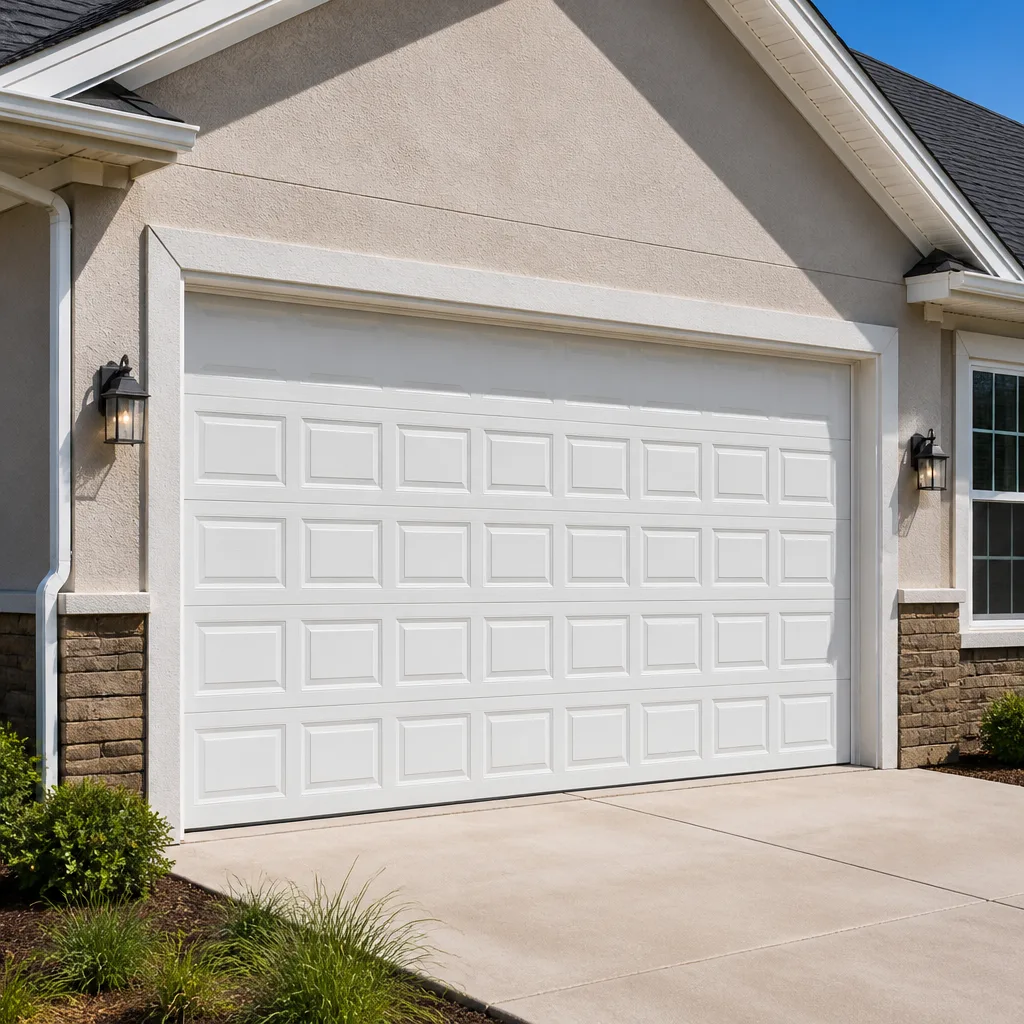 Raised-panel steel
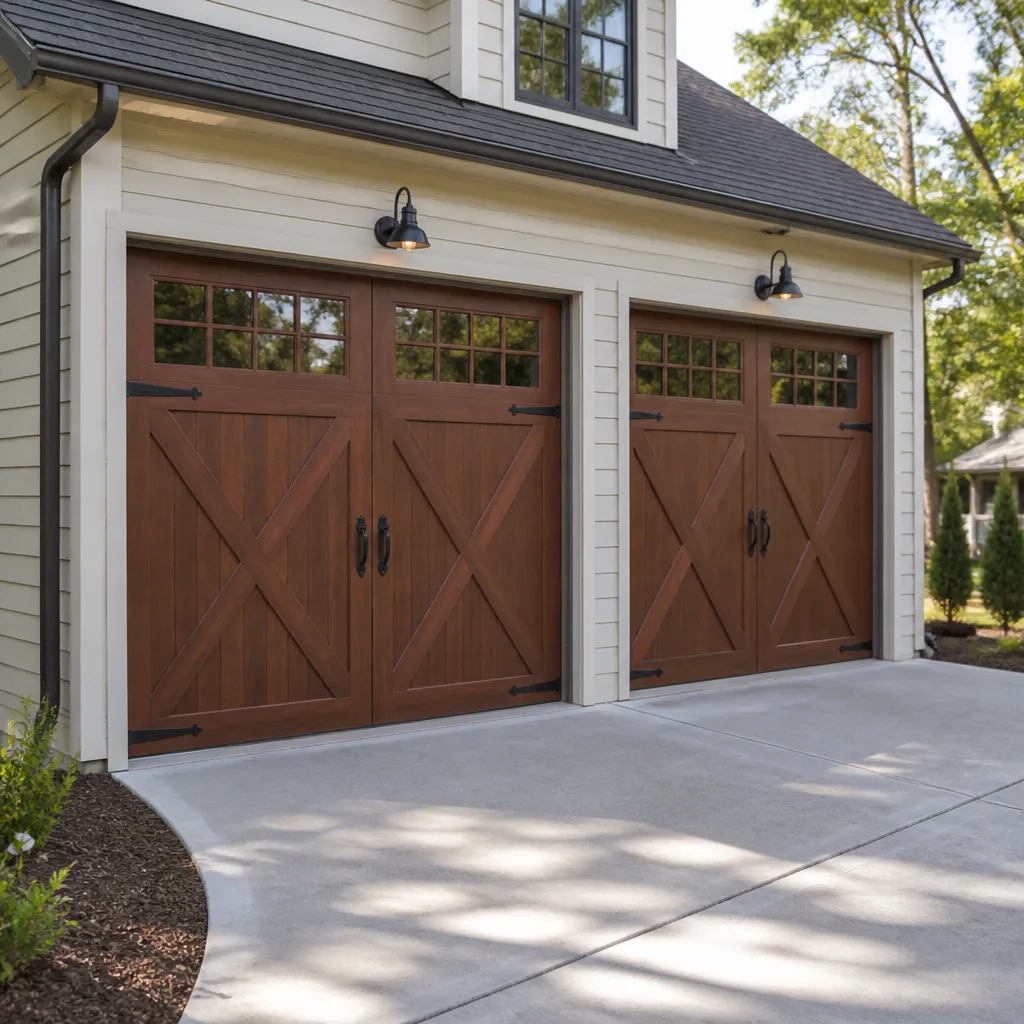 Carriage house
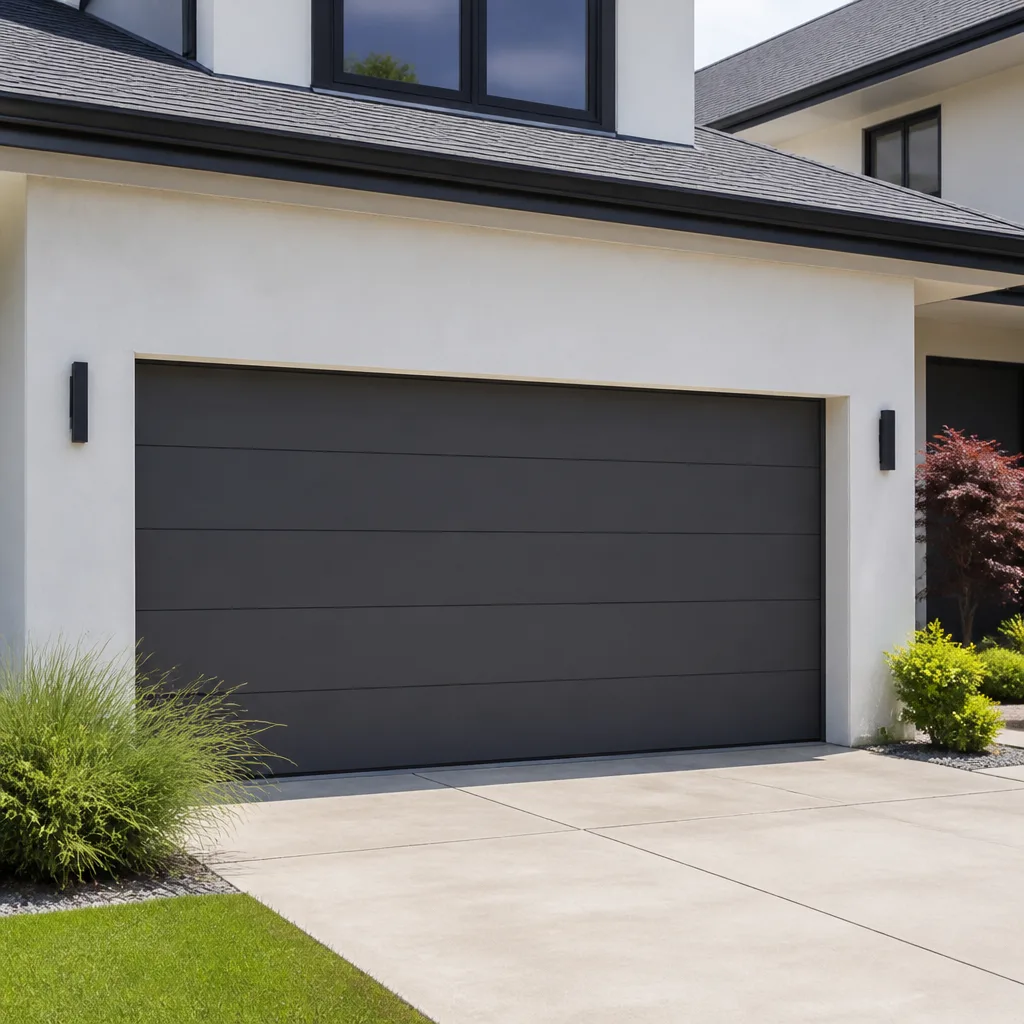 Modern flush
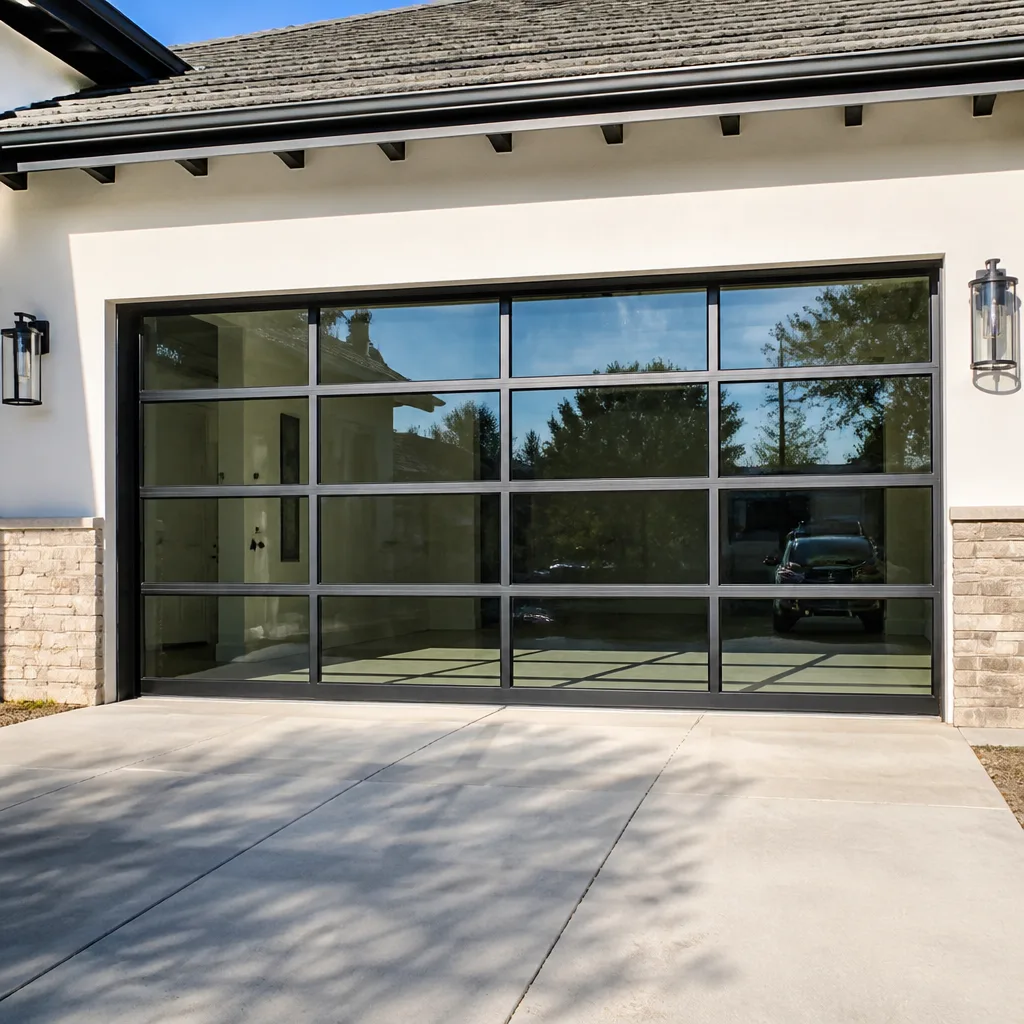 Full-view glass
 LiftMaster openers
 Chamberlain openers
Full 25-point door and opener safety check with every visit - springs, cables, rollers, tracks, and your LiftMaster or Chamberlain opener included
You get a price before we start. It does not change when the pro arrives.
Get your free estimateGarage Door Repair Maintenance Checklist for Capitol Hill Homeowners
The number one reason Capitol Hill garage doors fail early isn’t neglect. It’s lubrication with the wrong product. Most homeowners here do the responsible thing and grease the door every spring, then wonder why the rollers rust and the hinges seize by February. White lithium grease traps water in a wet climate instead of shedding it, so a diligent owner can actually speed up wear. Capitol Hill’s mix of damp winters, swings from roughly 28°F to 90°F, and older housing stock creates a failure pattern that generic checklists never address. This guide gives you a task-by-task checklist built for the doors, alleys, and seasons you actually live with. It covers what to check, what to use, and when a job belongs in our hands instead of yours.
Quick Answer
A garage door maintenance checklist for Capitol Hill homeowners should cover six things each season: lubrication with a water-resistant product instead of white lithium grease, bottom seal and weatherstripping inspection for gaps caused by alley pavement heaving, torsion spring cycle awareness, wood rot checks on older frames, opener sensitivity calibration after freeze-thaw swings, and a monthly balance and alignment test. Most of these take ten minutes. The work that involves springs, cables, or the opener’s internal parts is a professional job. Free estimates are available in Capitol Hill, so call (844) 625-7327 to have a specialist look before small wear turns into a snapped spring.
Styles & brands we work with
- Raised-panel steel
- Carriage house
- Modern flush
- Full-view glass
- LiftMaster openers
- Chamberlain openers
Table of Contents
- Why Generic Garage Door Checklists Fail in Capitol Hill
- Lubrication That Actually Works in a Wet Climate
- Bottom Seals, Weatherstripping, and Alley Pavement Heaving
- Torsion Spring Cycle Counts: Knowing When Yours Is Close to Done
- Spotting Wood Rot on Older Door Frames Before It Spreads
- Opener Sensitivity Calibration After Freeze-Thaw Cycles
- A Season-by-Season Maintenance Calendar
- The Ten-Minute Monthly Check
Why Generic Garage Door Checklists Fail in Capitol Hill
Most maintenance guides floating around the internet were written for a mild, dry climate with a flat concrete driveway and a door installed a decade ago. Capitol Hill is none of those things. The housing stock includes a large number of older homes, many with original or long-serving wooden door frames, and the alleys behind them take a beating. Winter rain saturates the ground, then a hard freeze lifts the pavement a fraction of an inch, then a thaw drops it back. Repeat that cycle dozens of times a season and the apron in front of your door stops being level.
That matters for maintenance because the door doesn’t care about your checklist. It cares about the plane it’s sitting on. A door that was perfectly tuned in October can drag on one side by January, and dragging wears rollers, hinges, and the opener’s drive gear faster than anything else.
The other local factor is temperature range. Doors here live through roughly 28°F mornings and 90°F afternoons in the same year, and metal, wood, and seals all expand and contract at different rates. Generic guidance says “lubricate twice a year and you’re set.” In Capitol Hill, the useful schedule is built around the wet season and the freeze-thaw transitions, not the calendar on a manufacturer’s pamphlet.
Here’s what we tell people who ask us to look at a door that “just started acting up”: it almost never just started. Something wore, and a seasonal check would have caught it. That’s the whole case for a real checklist. See our Capitol Hill Garage Door Repair page for the full scope of what we handle.
What makes a maintenance task worth doing
A task is worth your time if it either prevents a specific failure or catches one early enough to fix cheaply. Wiping the whole door down with grease fails that test. Cleaning and correctly lubricating the moving metal parts passes it. Checking your spring’s remaining life passes it, because a snapped torsion spring takes the door out of service entirely and the repair is a professional job. We loosen the list to what actually moves the needle.
Lubrication That Actually Works in a Wet Climate
Stop using white lithium grease on your garage door in Capitol Hill. That’s the short version. Lithium grease is thick, it holds onto dust and grit, and in a wet climate it can trap moisture against bare metal rather than sealing it out. You end up with a sticky paste that draws in grit and a rust layer underneath it. The door gets louder, not quieter, and the moving parts wear faster.
What works better here is a water-resistant product that stays put without collecting grime. A silicone-based or synthetic garage door lubricant, or a light white spray that specifies garage doors and water resistance, is a better fit for damp winters. The goal is a thin film on the friction points, not a coating you can scrape with a fingernail.
Where to lubricate, and where never to
- Rollers: a small drop on each roller’s bearing and stem. If rollers are plastic and dry, replace them rather than greasing.
- Hinges: one short spray at each hinge pivot, then work the hinge by hand.
- Torsion spring coils: a light coat, sparingly. This keeps coils from binding and making noise.
- Track curves: a very light film on the curved portion only, never the straight sections.
- Lock and latch: a dry lubricant, never grease.
Never lubricate the straight sections of the track. The door’s rollers are supposed to roll, not slide. Grease on a straight track makes rollers skid, and skidding wears them flat on one side. Never lubricate the opener rail’s teeth on a screw drive, either; that’s a job for the specific product the opener maker calls for.
How often in Capitol Hill
Twice a year at minimum, and the timing matters. Lubricate in late fall, just before the wet season starts, so moving parts are protected when the rain arrives. Then again in early spring, right after the last stretch of freezing nights, because that’s when you’ll find out what the freeze-thaw cycle did to your track alignment and seals. If the door is heavy and used more than a few times a day, add a third pass in midsummer. A door with Craftsman-era hardware that’s been in service a long time deserves the closer attention; sealed bearings and old hinge pivots dry out faster than newer parts do.
We handle lubrication as part of routine service, but it’s also the safest task on this list to do yourself, provided you’re only touching rollers, hinges, and the spring’s exterior coil. Nothing on the list requires you to reach inside the spring mechanism or disconnect anything.
Bottom Seals, Weatherstripping, and Alley Pavement Heaving
Bottom seals fail here in a specific pattern that a generic checklist won’t prepare you for. Because so many Capitol Hill garages open onto alleys, the concrete apron in front of the door takes more heaving and settling than a standard driveway does. When the pavement lifts or drops, your door keeps coming down to the same place, so a seal that used to meet the floor flush now sits above it on one side and crushes into it on the other. The gap pattern is the tell: a diagonal or one-sided gap under a closed door usually means the floor moved, not that the seal went bad.
How to check your seal
- Close the door fully and look at the seal from outside, across its whole width.
- Look for daylight. Any visible light is a gap, and a gap is where water and cold air get in.
- Slide a piece of paper under the seal at several points. If it slides out with no drag, the seal isn’t making contact there.
- Run a hand along the seal and feel for cracks, hardening, or sections that have torn away from the door’s bottom edge.
- Check the vertical strips on the sides and top for the same signs. Those are separate from the bottom seal and fail on their own schedule.
Replace a bottom seal when it’s cracked, hardened, or torn. It’s inexpensive and it’s one of the few jobs on this list most homeowners can do themselves with the right length and profile. If the gap comes from the floor being out of level rather than the seal failing, a new seal won’t fix it. That’s when you want an adjustment to the door’s travel and the bottom bracket rather than more rubber. A misaligned seal lets water into the garage, and in Capitol Hill’s wet winters that water eventually reaches the door’s bottom panel and frame, where it starts the rot cycle described further down.
Torsion Spring Cycle Counts: Knowing When Yours Is Close to Done
Every torsion spring has a rated cycle life, and a cycle is one open plus one close. Most residential springs are rated somewhere in a standard range, commonly around 10,000 cycles for a baseline spring, with higher-cycle springs rated well beyond that. You can work out roughly where your spring is in its life if you know its rating and how often the door runs.
A rough way to estimate remaining life
- Count your daily cycles. A door used twice a day, in and out, is four cycles. A busy household with two drivers can easily hit eight or ten.
- Multiply by days per year. Four cycles a day is about 1,460 cycles a year. Ten a day is about 3,650.
- Take the spring’s rated cycle life if you know it, or assume a standard baseline if you don’t.
- Divide to get roughly how many years of service the spring has delivered, then compare to how long it’s been on the door.
The math is rough, and a spring’s actual life depends on how well the door is balanced, whether it was ever over-wound, and how much weight it’s actually carrying. What the calculation does is tell you when to stop being surprised. A spring that’s used up most of its rated cycles will snap eventually, and knowing it’s close lets you replace it before it does, rather than after.
The safety line
Torsion springs store an enormous amount of energy, and adjusting, winding, or replacing one is genuinely dangerous work. People are seriously injured trying to handle tensioned springs with hand tools and internet instructions. We don’t give step-by-step guidance for that job, and you shouldn’t take it from anyone who does. What you can safely do is look: check for a visible gap in the coil, listen for the door getting heavier to lift by hand, and note any point where the door won’t stay put when raised partway. Any of those means it’s time for a professional to look at the spring. Spring repair is one of the jobs we handle in-house, not something we refer out, and it’s a big part of why we keep a single-trade focus. You can read more about that side of the work on our garage door repair page.
Cycle awareness matters more in Capitol Hill than in a lot of places because so many homes use the garage as the main entry. A door that runs ten times a day here burns through a spring years faster than the same door on a house where the garage is storage.
Spotting Wood Rot on Older Door Frames Before It Spreads
Older homes across Capitol Hill often have wooden door frames and jamb material, and wet winters are hard on them. Rot doesn’t announce itself. It starts where water sits: the bottom corners of the frame, the point where the frame meets the concrete, and the underside of any trim that catches runoff. By the time it’s visible as soft, crumbling wood, the frame has often lost enough strength that the door’s track and hinges are working against a moving surface instead of a solid one.
Where to look, in order
- Bottom corners of the frame, inside and out, where water pools. Press with a screwdriver handle, not a blade. Soft resistance means rot.
- The frame’s base where it meets concrete. Look for staining, peeling paint, or a dark line that stays damp after dry weather.
- Around and behind the hinges, especially the bottom hinge, which carries the most load.
- The bottom rail of the door itself, if it’s wood. This is the first part to soak up standing water.
- Under the weatherstripping, where water hides after it gets past a failing seal.
Early rot is fixable with a repair and treatment. Late rot means the frame has to be replaced before it compromises the whole installation, and a door hung on a rotting frame will keep going out of alignment no matter how many times it’s adjusted. If you find soft wood, don’t paint over it. Paint traps moisture and speeds the decay. A frame that’s already failing is one of the clearest signals to look at garage door installation rather than continued repair of a door that no longer has a sound frame to hang on.
Wood rot also explains a mystery a lot of homeowners describe: a door that was fine last year and now binds or rubs on one side. The door didn’t change. The frame did.
Opener Sensitivity Calibration After Freeze-Thaw Cycles
After a Capitol Hill freeze-thaw cycle, run an opener sensitivity check. This is the single most valuable five-minute task on the list, and almost nobody does it. The opener’s force setting tells it how hard to push before it reverses. When the door gets heavier in cold weather, or a track shifts slightly and the door starts dragging, the opener pushes harder to move it. If the force setting is too high, the safety reverse may not trigger when it should. If it’s too low, the opener trips for no apparent reason.
How to test the safety reverse
- Clear the doorway and stand outside the door’s path.
- Open the door, then close it and, as it comes down, hold a solid object like a roll of paper towels in the path of the door near the floor.
- The door should reverse on contact with the object and return to open.
- Test the photo-eye safety sensors by passing an object through the beam while the door is closing. The door should reverse immediately.
- If either test fails, stop using the opener and have the door and opener checked.
If your opener has a force adjustment, follow the manufacturer’s instructions exactly and only adjust in small steps. If it doesn’t have an adjustment you can reach safely, or if the door fails either test, that’s a professional call. A door that closes on an object and doesn’t reverse is a serious hazard, especially in a household with kids or pets. We service openers from LiftMaster, Chamberlain, Genie, and Craftsman, along with the rest of the major brands, so the unit on your ceiling is very likely one we know well. Our garage door opener repair page covers the repair side in more detail.
A Season-by-Season Maintenance Calendar
The calendar below is built for Capitol Hill’s actual weather pattern rather than a generic annual schedule. Adjust the hours, not the order.
Late fall: before the wet season
- Lubricate rollers, hinges, and spring coils with a water-resistant product.
- Inspect the bottom seal and side weatherstripping for hardening or gaps.
- Check the frame’s bottom corners for softness or staining.
- Test the opener’s safety reverse and photo-eye sensors.
- Tighten any hinge and bracket bolts you can reach safely.
Winter: through the freeze-thaw stretch
- After any hard freeze, listen for new noise and watch for dragging on one side.
- Check the alley apron and the track’s vertical alignment where the door meets the floor.
- Clear any ice or debris that builds up at the door’s threshold.
- Re-test the opener’s safety reverse once a month.
Early spring: after the last freeze
- Re-lubricate everything you did in the fall.
- Recheck the gap pattern under the door; if the alley floor heaved, the seal will show it.
- Look again at the frame and bottom rail for rot that got worse over the wet months.
- Run a full balance test (below) and have any misalignment corrected.
Summer: the dry stretch
- They’re rare here, but heat waves push the door’s metal and seals to expand. Check for binding on very hot days.
- Clean the track and remove grit and debris before fall.
- This is the best window for any installation or replacement you’re planning.
The Ten-Minute Monthly Check
Once a month, run through this list. It catches most problems before they cost you a service call.
- Disconnect the opener (most have a pull cord) and lift the door by hand. It should lift smoothly with modest effort. If it’s heavy or binds, something is wrong with the balance or the spring.
- Raise the door partway and let go. A balanced door stays put. A door that drops or rises on its own is out of balance.
- Look at the door from inside while it’s closed. The gap between the door’s edge and the frame should be even on both sides.
- Wipe the track with a dry cloth. Look for metal shavings, which mean rollers are wearing fast.
- Check the rollers for flat spots and cracks. Replace cracked nylon or plastic rollers right away.
- Test the safety reverse and photo-eye sensors as described above.
- Listen. A door that’s gotten louder is telling you something needs lubrication or adjustment.
When you’re done, reconnect the opener and run the door once to confirm it travels fully and stops cleanly. Don’t force anything. If a door won’t lift by hand or won’t stay up, leave it down and call for service. That’s a spring or balance problem, and it’s not something to keep working at.
Common Mistakes to Avoid
- Using white lithium grease in a wet climate. It traps moisture and grit against bare metal, which accelerates rust instead of preventing it. Use a water-resistant garage door product and apply it thin.
- Greasing the straight sections of the track. Rollers are meant to roll, and grease makes them skid and wear flat. Keep lubricant on the curves and the moving parts, not the straight rails.
- Ignoring the gap pattern under the door. A diagonal gap often means the alley pavement heaved, not that the seal is bad. Replacing the seal won’t fix a floor that moved.
- Trying to adjust a torsion spring. This is the most dangerous part of the door. Tensioned springs cause serious injuries, and every spring job belongs with a trained professional.
- Painting over rot. Paint traps moisture and speeds decay. If the frame is soft, it needs repair or replacement, not a coat of paint.
- Never testing the safety reverse. The opener’s safety reverse is a fallback, not a substitute for alignment, but it only protects you if it works. Test it monthly.
- Raising the opener’s force setting to get past a heavy door. If the door got heavy, the problem is the spring or the balance, not a force setting that’s too low. Turning up the force masks the real problem and undermines the safety reverse.
See the difference
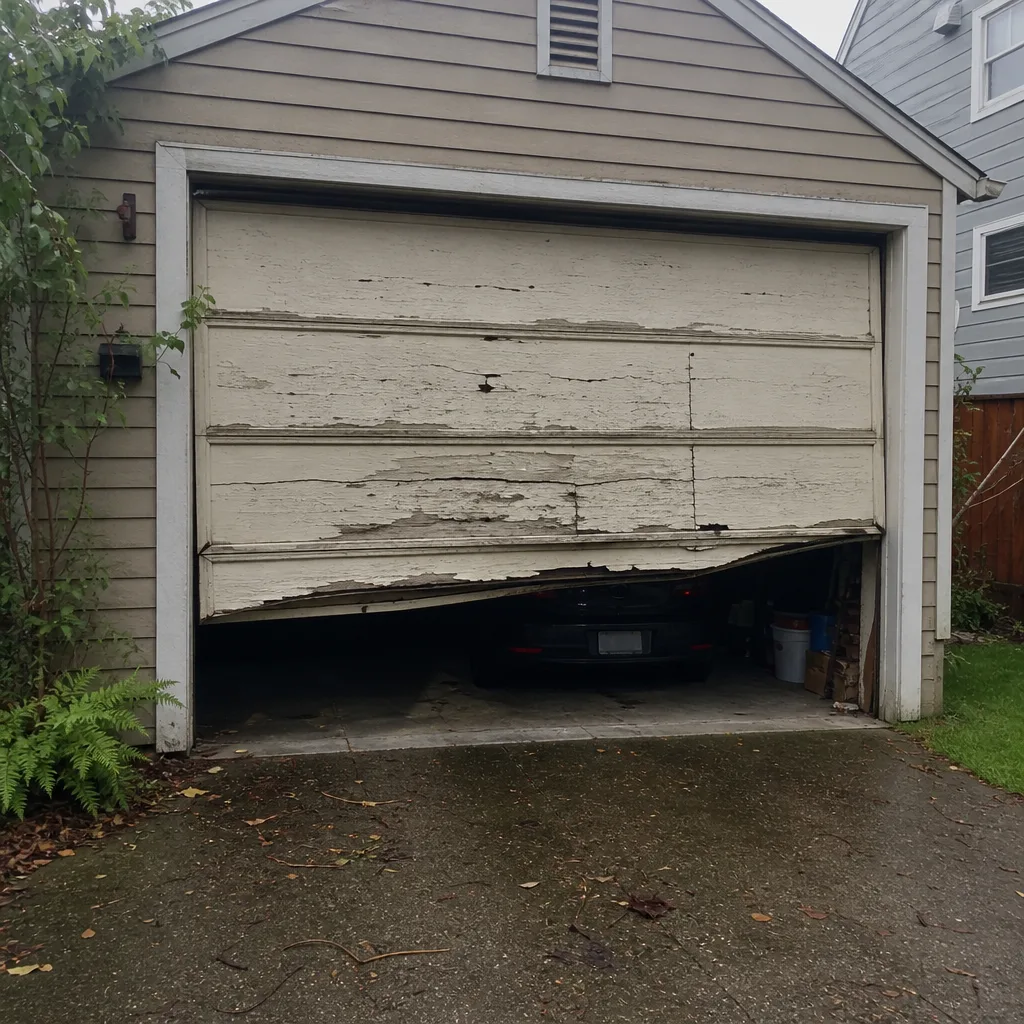 Before
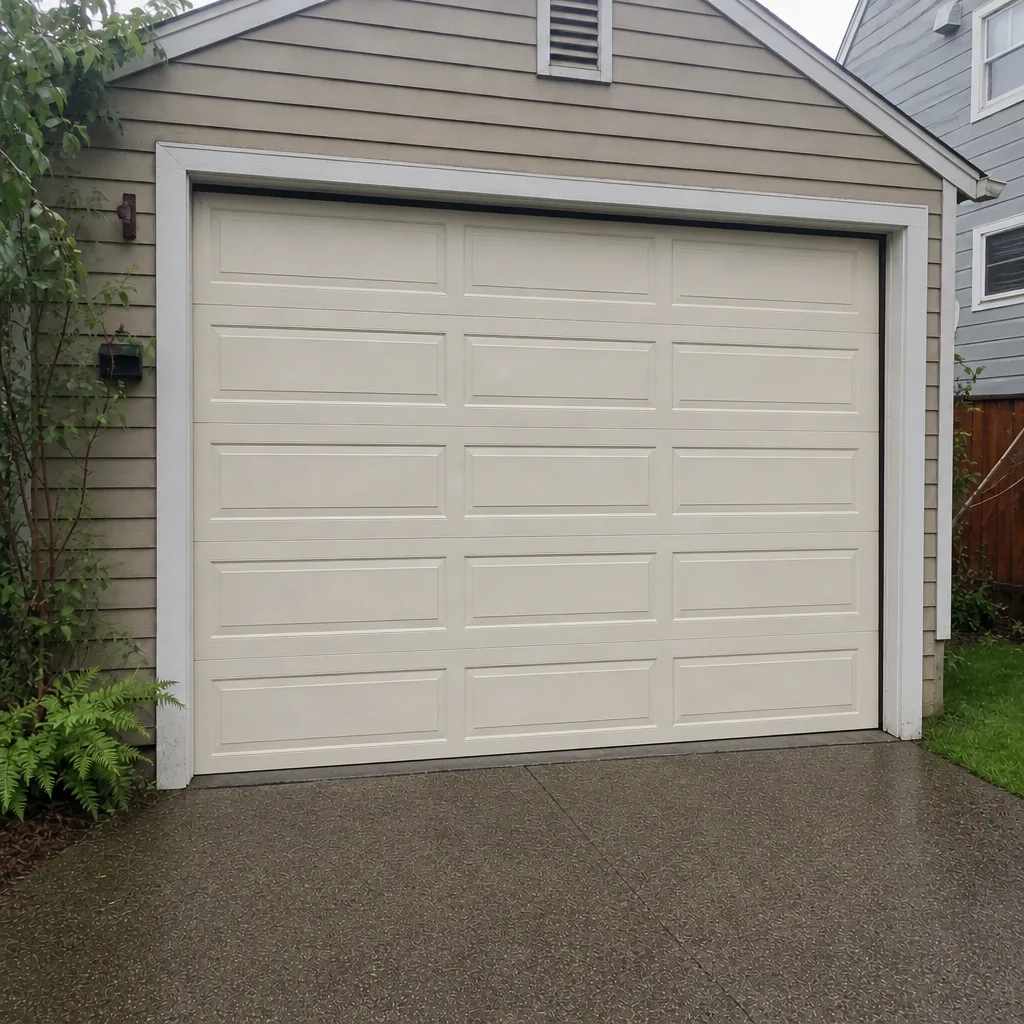 After
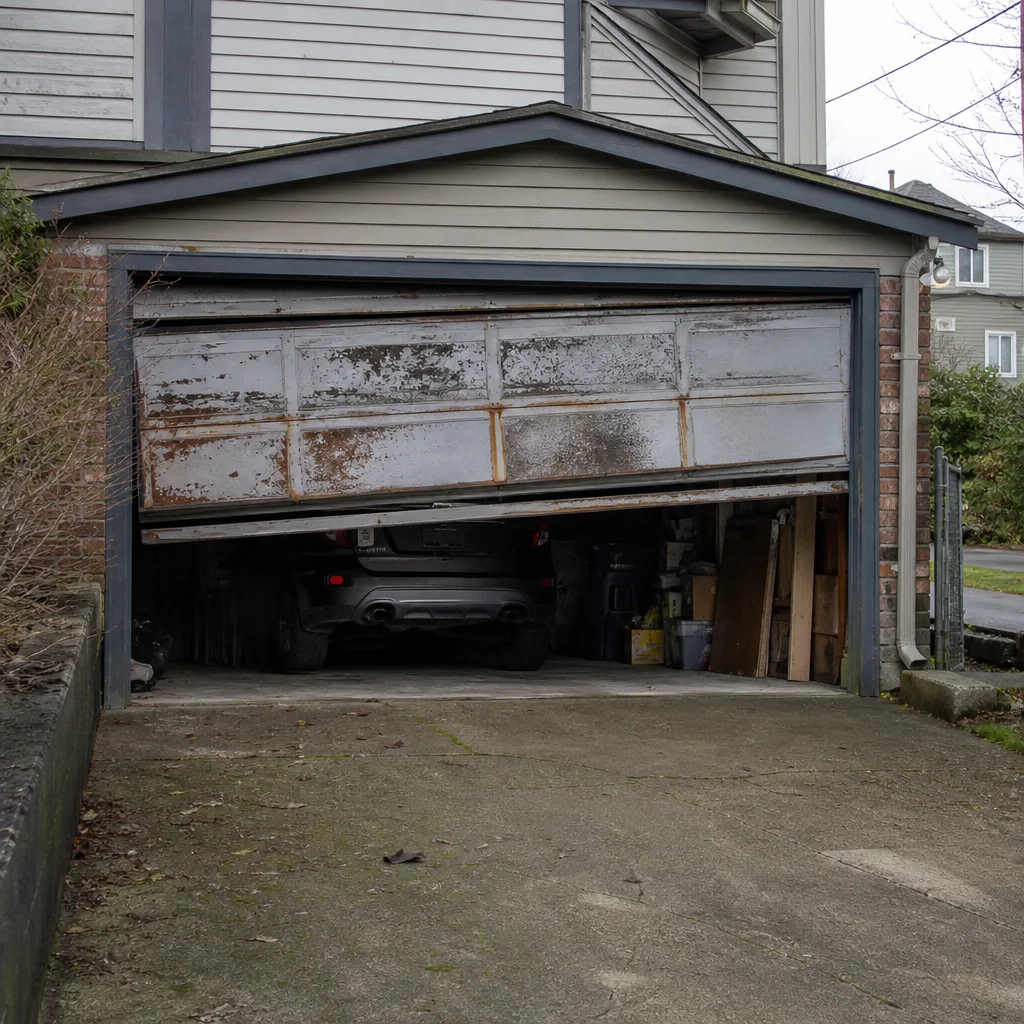 Before
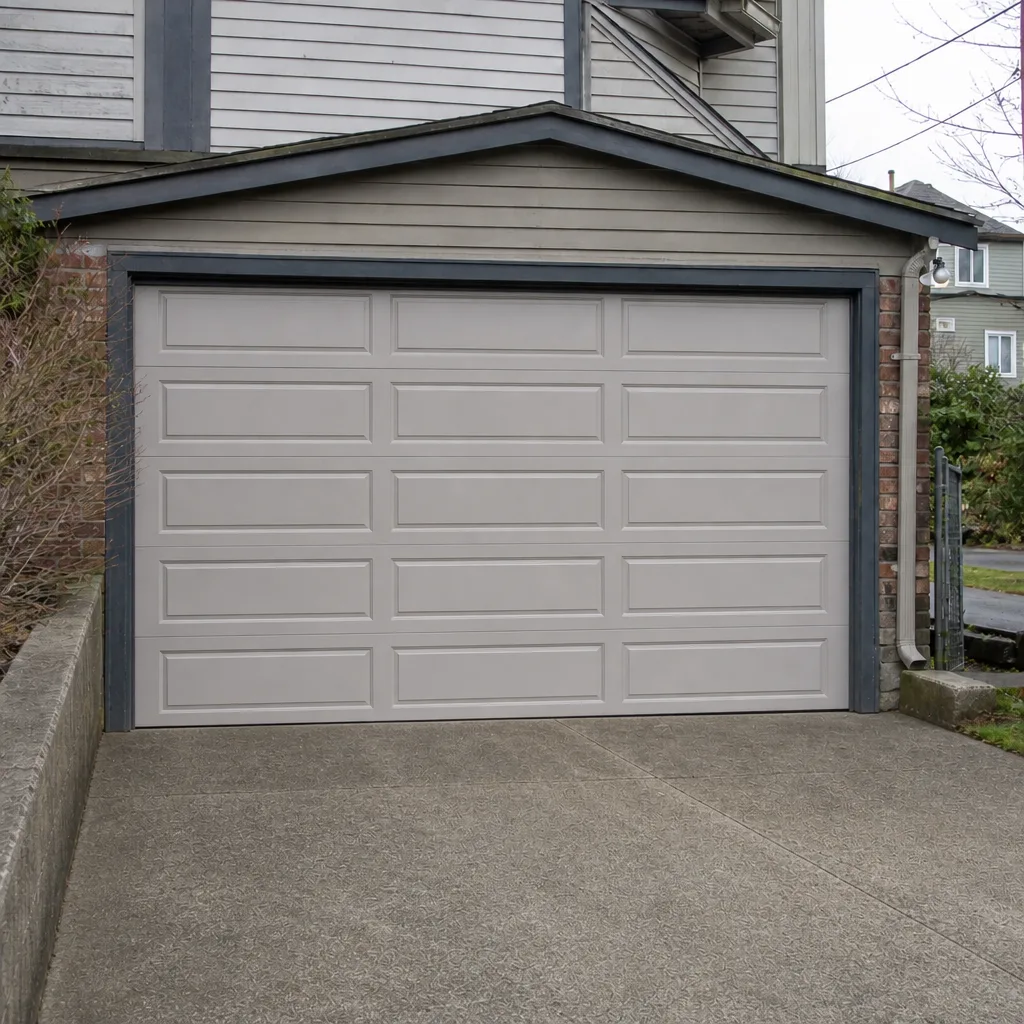 After
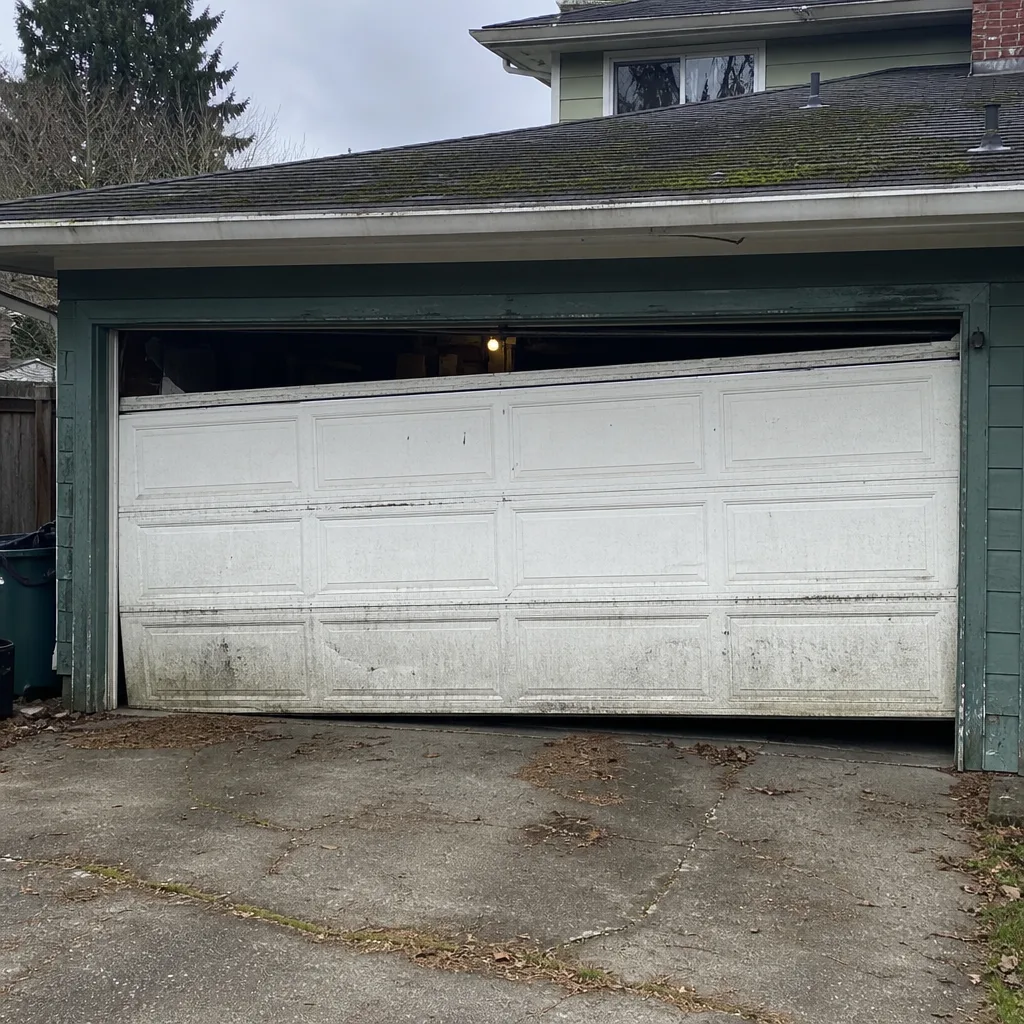 Before
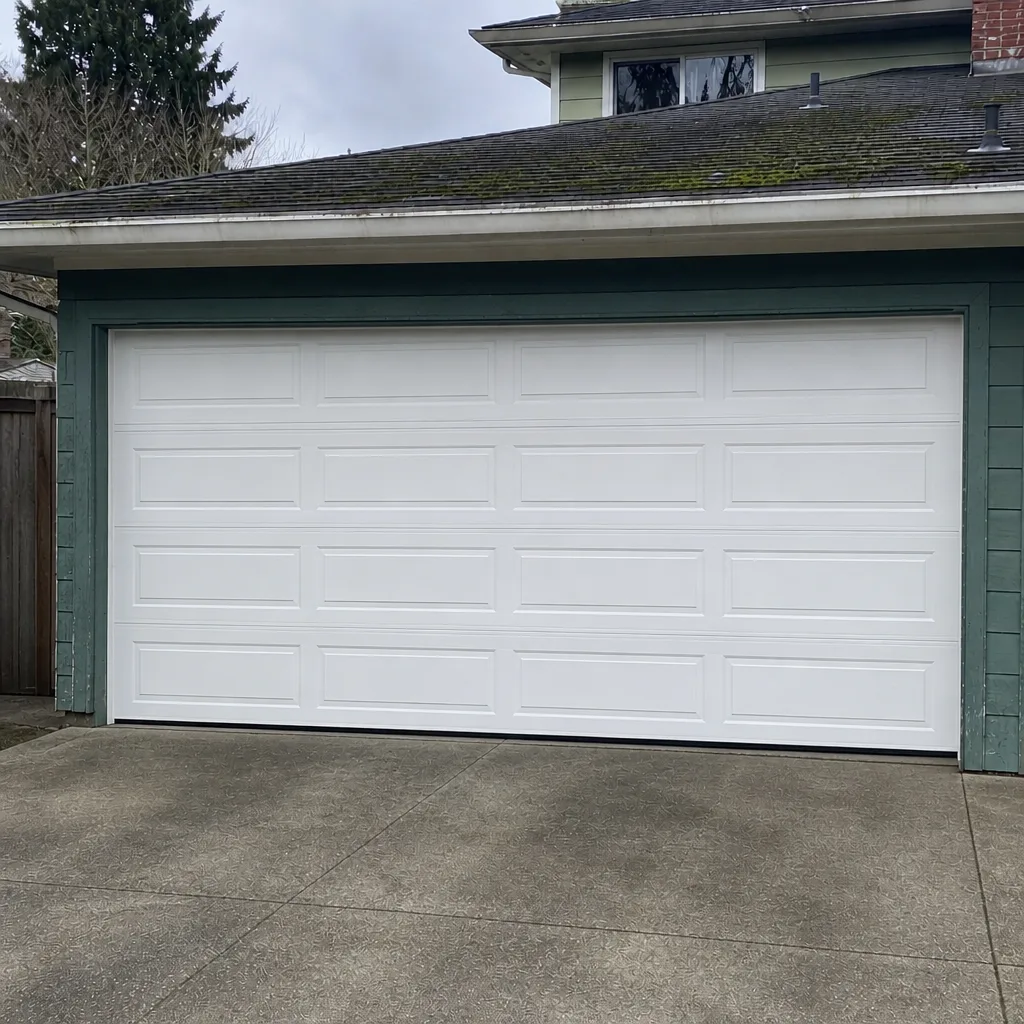 After
When to Call a Professional
Some jobs on this list are safe to do yourself: lubrication, seal replacement, visual checks, and the monthly balance test. Others belong with a specialist. Call a professional for anything involving torsion springs, cables, and the opener’s internal parts, and for any door that won’t lift by hand, won’t stay up, or has come off its track. Call when the frame is soft or rotting, when the door drags on one side after a freeze, and when the safety reverse fails no matter what you adjust. Call before planning a new door if your frame is questionable. Capitol Hill Garage Door Repair offers free estimates in Capitol Hill and works on the major brands you already own, including Amarr, Wayne Dalton, and Raynor. Call (844) 625-7327. We answer 24/7. Fast dispatch from 7am to 7pm, Sunday through Friday. The price is quoted and agreed before any work starts.
Frequently Asked Questions
Twice a year at minimum, in late fall before the wet season and again in early spring after the last freeze. Homes where the garage is the main entry and the door runs ten or more times a day should add a pass in midsummer. The key is using a water-resistant garage door lubricant rather than white lithium grease, which traps moisture here. Call (844) 625-7327 for an exact quote – estimates are free.
The gap usually means the floor or the alley apron moved, not that the seal failed. Freeze-thaw cycles lift and drop pavement, and the door keeps coming down to the same place, so the seal no longer meets the floor flush. A new seal fixes a torn or hardened one, but a gap from uneven pavement needs a door adjustment instead. Call (844) 625-7327 for an exact quote – estimates are free.
Look for a visible gap in the coil, a door that has gotten noticeably heavier to lift, or a door that won’t stay up when raised partway. Any of those means the spring is near the end of its life and should be replaced before it snaps. Don’t touch the spring yourself; torsion springs store serious energy. Call (844) 625-7327 for an exact quote – estimates are free.
Early rot in a small area can often be repaired and treated. When the rot has spread to the point where the frame is soft and the door’s track or hinges are working against a moving surface, the frame needs replacing before the installation is compromised. Never paint over soft wood; paint traps moisture. Call (844) 625-7327 for an exact quote – estimates are free.
Open the door, then close it while holding a solid object in the path near the floor. The door should reverse on contact. Also pass an object through the photo-eye beam while the door is closing; it should reverse immediately. If either test fails, stop using the opener and have it checked. Call (844) 625-7327 for an exact quote – estimates are free.
Correct lubrication with a water-resistant product is the single highest-value task. It protects the moving parts through the wet season and prevents the rust and grit buildup that wears rollers and hinges early. After that, the monthly balance and safety reverse checks catch the failures that actually take a door out of service. Call (844) 625-7327 for an exact quote – estimates are free.
The Bottom Line
A maintenance checklist for Capitol Hill has to fit the climate and the housing, not a manufacturer’s generic pamphlet. The tasks that matter most are the ones tied to local failure points: water-resistant lubrication instead of white lithium grease, bottom seal inspection for the gaps alley pavement heaving creates, torsion spring cycle awareness, wood rot checks on older frames, and opener sensitivity testing after every freeze-thaw stretch. Do the monthly and seasonal checks yourself. Leave the springs, cables, and opener internals to a specialist who does nothing else. Our technicians have up to 14 years of experience, and garage doors are all we do. Call Capitol Hill Garage Door Repair at (844) 625-7327 for a free estimate. The price is quoted and agreed before any work starts.
Written by the team at Capitol Hill Garage Door Repair.