
Last updated November 23, 2026
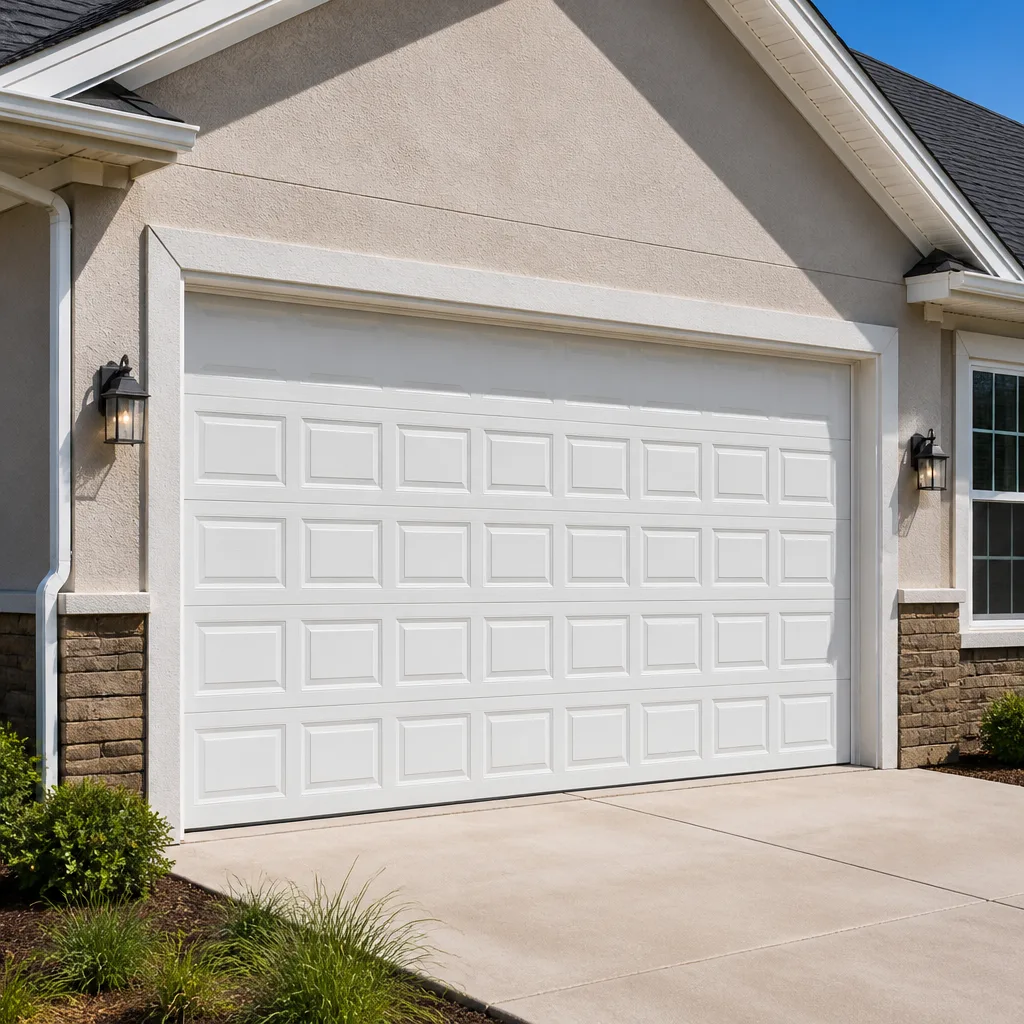 Raised-panel steel
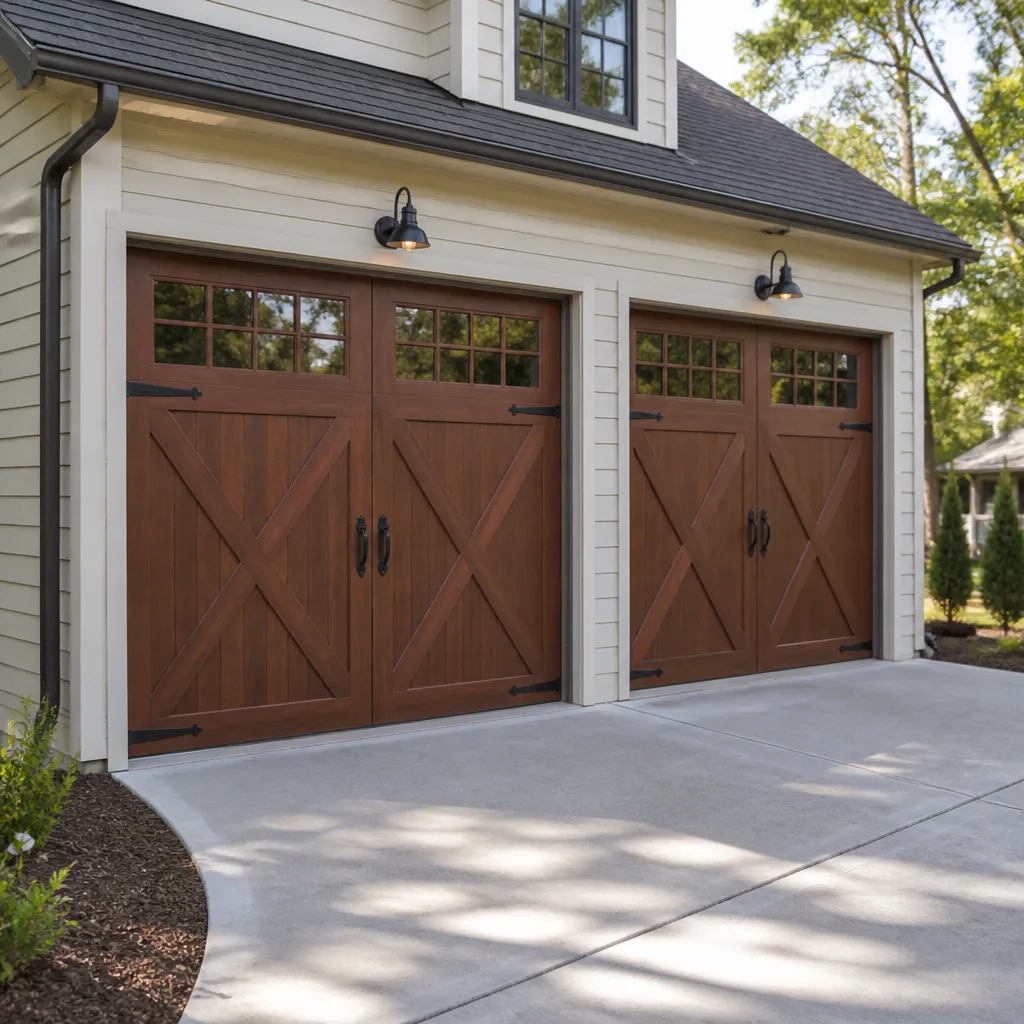 Carriage house
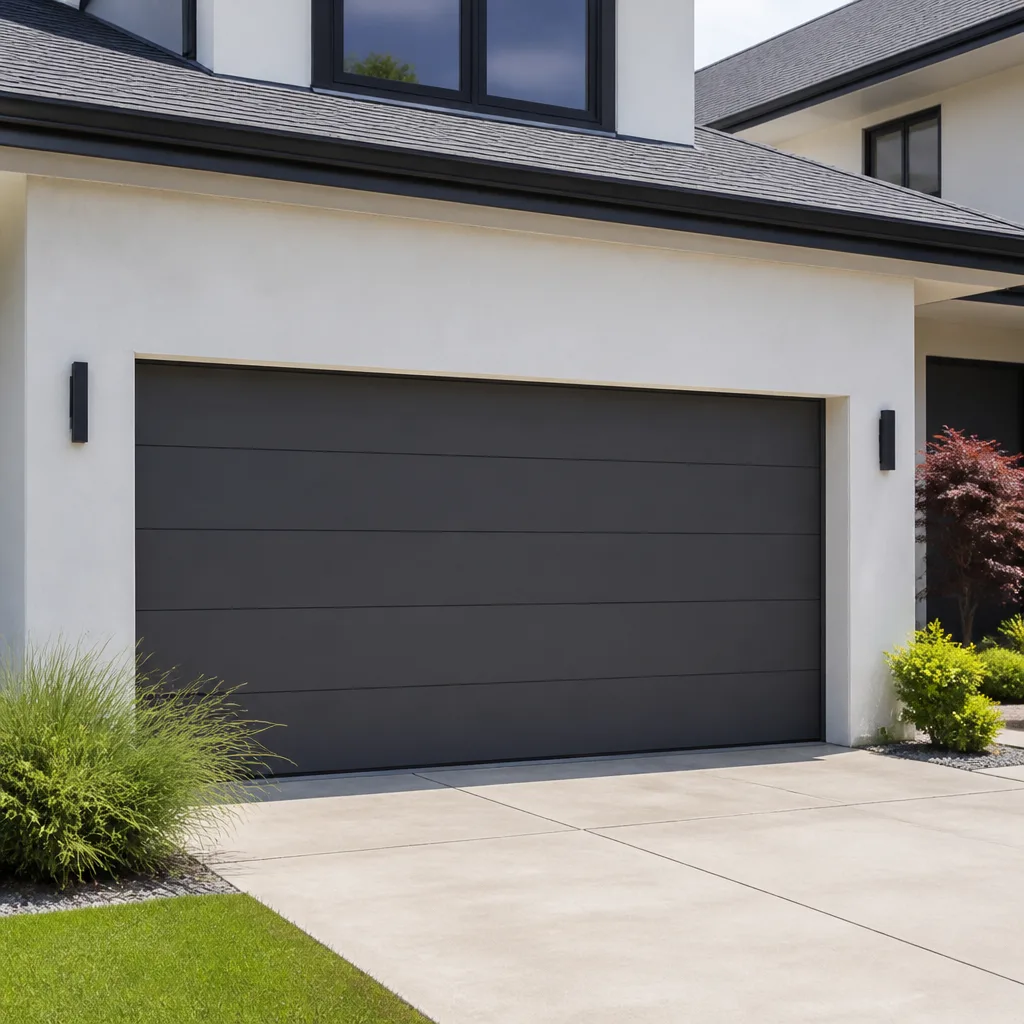 Modern flush
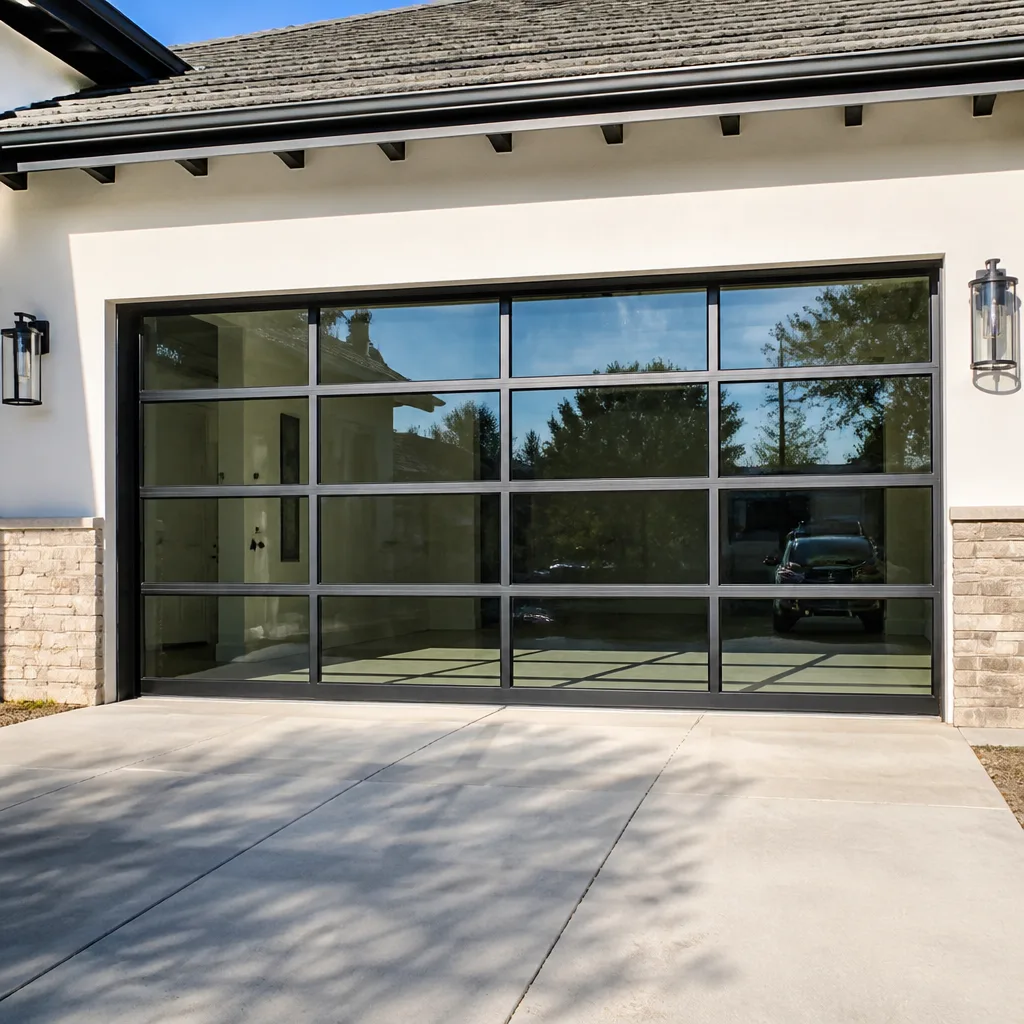 Full-view glass
 LiftMaster openers
 Chamberlain openers
Full 25-point door and opener safety check with every visit - springs, cables, rollers, tracks, and your LiftMaster or Chamberlain opener included
You get a price before we start. It does not change when the pro arrives.
Get your free estimateGarage Door Repair Maintenance Schedule: What to Do and When
Lubricating garage door springs every month sounds diligent. It’s actually one of the fastest ways to attract grit, accelerate wear on the coils, and void a warranty. Springs need lubrication once a year, and the product matters as much as the frequency. The same mismatch runs through every part of a garage door: rollers, hinges, tracks and openers each wear on their own clock, and the wrong task at the wrong interval either does nothing or makes things worse. This guide lays out the real schedule for a Capitol Hill garage door, tiered by how components actually wear, with the mechanical reason behind each interval. You’ll learn what to check monthly, quarterly, semi-annually and annually, and the exact signs that a part has crossed from maintenance into replacement.
Quick Answer
A garage door maintenance schedule is tiered, not annual. Check the safety reverse and listen for odd sounds monthly, inspect and tighten hardware quarterly, lubricate rollers and hinges and test spring balance every six months, and book one full professional service each year before the cold sets in. Springs, cables and the torsion system should never be serviced by a homeowner.
Styles & brands we work with
- Raised-panel steel
- Carriage house
- Modern flush
- Full-view glass
- LiftMaster openers
- Chamberlain openers
Table of Contents
- Why a Tiered Schedule Beats an Annual Checklist
- The Monthly Check (10 Minutes)
- The Quarterly Inspection (30 Minutes)
- The Semi-Annual Service (1 Hour)
- The Annual Service (Before winter)
- The Right Lubricant for Each Component
- The 90-Second Tension Balance Test
- Measurements and Visual Signs That Mean Replace
Why a Tiered Schedule Beats an Annual Checklist
Most maintenance advice hands you a single annual checklist and calls it done. That works for a furnace filter. It doesn’t work for a garage door, because the parts don’t share a wear cycle. A torsion spring endures a full twist-and-release every time the door moves; a nylon roller spends the same cycle gliding quietly in a track. The spring’s metal fatigues by cycle count, the roller’s bearing dries out on a different timeline, and the opener’s drive gear wears according to how much load those first two parts put on it. One schedule for all three is a guess.
Tiered maintenance matches the interval to the failure mode. Here’s how the components break down:
- Monthly (high-frequency, cheap to check): the safety reverse, the photo-eye alignment, and anything that sounds different from last month.
- Quarterly (loosening parts): hinge bolts, roller brackets, track alignment. Vibration works fasteners loose on a door that moves several times a day.
- Semi-annual (parts that dry out or drift): roller lubrication, hinge lubrication, and the balance test that reads spring health.
- Annual (deep service): full lubrication pass with the correct products, spring inspection, cable inspection, opener force adjustment, and a complete balance check.
Get the intervals wrong and you create problems. Over-lubricate a spring and you collect grit that grinds into the coils. Skip roller lubrication and the rollers seize, dragging the whole door and loading the opener. In Capitol Hill, where garages sit under the house or tight against a rear alley and cold air settles into them for months, the pre-winter timing matters more than the spring tune-up. A door that’s tight and properly lubricated in October handles the January cold far better than one serviced in April.
The Monthly Check: 10 Minutes That Catch Most Failures Early
The monthly check is about safety and early warning, not lubrication. It’s short and it doesn’t need tools beyond your eyes and hands. Ten minutes once a month catches the problems that turn into emergency calls.
- Test the safety reverse. Put a two-by-four flat on the floor under the closing door. The door should reverse on contact. If it pushes down on the block or stops, the opener’s force setting or travel limit needs adjustment. This is the single most important monthly test.
- Check the photo-eye eyes. Look at the two small lights near the floor at the door opening. Most have a steady indicator when aligned. Wave a hand in front of them and listen for the click that means the beam broke. If the door won’t close, the eyes are usually the first thing to check.
- Listen. Open and close the door once at normal speed. Grinding, squealing, popping or a rhythmic thud all point to specific components. Note when in the travel the sound happens.
- Watch the door’s path. Does it pull to one side, hesitate, or jump? Any of those means a track or balance problem worth a closer look.
- Look for fresh rust, debris or loose hardware at a glance. You don’t need to fix it now; you just need to know.
Monthly checks catch failing safety features before they matter and give you a baseline for what “normal” sounds like. Because Capitol Hill garages often sit below living space or behind an alley, a door that fails to close is a security problem you’ll notice fast. Watch the door, not the wall.
The Quarterly Inspection: Where Vibration Does Its Damage
A garage door moves more times a day than almost any other mechanism in the house. That motion loosens fasteners. Quarterly, you tighten them and inspect the surfaces that wear against each other.
- Hinges: check every hinge bolt and tighten anything that turns freely. Don’t overtighten; you’ll strip aluminum hinge plates.
- Roller brackets: the brackets that hold each roller should be snug and square. A bent bracket sends the roller off-angle and chews the track.
- Track alignment: the vertical and horizontal tracks should be parallel, evenly spaced, and free of dents. A small dent in the curve where the vertical track bends to horizontal catches rollers. If you see one, have a technician look before it worsens.
- Cables: run your eye down each cable. Look for frayed strands, rust, or slack. Cables are under extreme tension; don’t touch, adjust or remove them. If anything looks off, call.
- Weather seals: check the bottom seal and frame seals for cracking or gaps. A torn bottom seal lets cold air and moisture in and, over a Capitol Hill winter, lets water pool at the threshold.
This is the interval where you’re mostly looking and tightening, not lubricating. Lubrication belongs on the semi-annual and annual schedule, where the products and the parts line up.
The Semi-Annual Service: Lubrication and the Balance Test
Twice a year, roll up your sleeves and do the lubrication pass for the parts that benefit from it, then test whether the springs are holding their calibration.
Lubricate rollers, hinges and the opener’s chain or screw. Use a silicone spray or a garage-door-specific lubricant on rollers and hinges. For the opener, follow the manufacturer’s guidance. Genie and LiftMaster chain drives and screw drives generally want a light application on the chain or screw, not a flood. Wipe off excess so it doesn’t attract grit.
Leave the springs and cables alone. Torsion springs need lubrication once a year, not twice, and never with a heavy grease that traps dirt. Cables shouldn’t be lubricated at all. Spraying either is where homeowners cause more harm than good.
Run the balance test (detailed in its own section below). This is the semi-annual check that tells you whether the springs are still calibrated or losing tension. Do it every six months and you’ll have a record of how the door behaved over time, which makes it easier to notice when something drifts.
Timing note for Capitol Hill: schedule one semi-annual pass in late spring and one in early autumn. The autumn pass doubles as your pre-winter prep, which matters more here than the spring tune-up does. Cold garage interiors are hard on lubricants and seals, and a door that’s tight and correctly lubed in October handles the January cold better than one that gets its attention in April.
The Annual Service: Book It Before the Winter Temperature Drops
The annual service is the deep one. It’s also the one most homeowners skip, and it’s the one that pays for itself in avoided repairs. In Capitol Hill, the right time to book the annual pass is before the November temperature drops, not after the first cold snap brings a problem to the surface.
Here’s what a full annual service should cover:
- Complete lubrication with the correct product per component (see the next section). Springs once, rollers and hinges properly, no over-application.
- Spring inspection: look for rust, gaps, and signs of fatigue along the coil. Measure the number of coils and the overall length against a new spring of the same wire gauge and inside diameter. Springs don’t warn you much before they snap, but a stretched or rusted spring is a countdown.
- Cable and drum inspection: fraying, slack, and drum condition. High-tension work only.
- Track and roller inspection: worn rollers, bent tracks, loose brackets.
- Opener force and travel adjustments: re-test the force setting after maintenance, since a door that runs more freely may now over-travel.
- Full balance test and safety reverse re-test.
The pre-winter timing isn’t arbitrary. Cold air settles into Capitol Hill garages for months, and it stiffens lubricants, shrinks seals and puts extra load on a tired spring. A door serviced in October gets the benefit of that attention through the whole cold season. A door serviced in April is doing the hardest part of the year on the older service. If the annual pass is the only maintenance you do all year, make it the pre-winter one.
The Right Lubricant for Each Component
This is where most maintenance advice gets vague, and where homeowners do the most avoidable damage. The product matters as much as the frequency. Here’s the component-by-component answer.
- Torsion springs: a dedicated garage-door spring lubricant, applied once a year, a light coat on the coils. Not white lithium grease, not WD-40, not engine oil. Learn more about garage door repair if a spring already shows cracks, rust or gaps; lubrication can’t save a fatigued spring.
- Rollers and hinges: silicone spray or a garage-door-specific lubricant. Silicone is clean, doesn’t collect grit, and works on nylon rollers, steel rollers and hinge pins alike. White lithium grease works on hinges and the opener’s chain, but it collects more dirt over time, so use it sparingly and wipe off the excess.
- Tracks: none. Tracks should stay clean and dry. Lubricant in a track turns into a paste with dust and grit and stalls the rollers. Wipe the inside of the track with a damp cloth; that’s it.
- Opener chain or screw: follow the manufacturer. Genie and LiftMaster units generally want a light, purpose-made application. Too much attracts dust; too little dries the drive.
- Weather seals: a silicone-based protectant keeps rubber seals from cracking in the cold. Avoid petroleum products that degrade rubber.
What never belongs on a torsion spring: white lithium grease, WD-40, engine oil, or anything with a heavy grease base. These hold grit against the coils, accelerate wear, and in many cases void the door’s warranty. Once a year is right. A dedicated spring product is right. Spraying them monthly with the wrong product is worse than doing nothing.
The 90-Second Tension Balance Test
The balance test tells you whether your springs are still calibrated before they snap. It’s the single most useful test a homeowner can run, and it takes a minute and a half. Do it every six months.
- Disconnect the opener using the release cord so the door runs on its springs alone, not the motor. With the opener engaged, you’re testing the motor, not the springs.
- Lift the door to about waist height halfway open, then let it go. It should stay there, held by the springs.
- Lift to fully open and let go. It should stay open without sagging.
- Lower to fully closed. It should come down with smooth, even resistance and no sudden drop.
- Reconnect the opener and run the door once to confirm smooth operation.
A door that refuses to stay halfway, slams down, or feels heavy going up is telling you the springs have lost calibration. Catch it at this stage and you may be looking at a tension adjustment or a proactive spring replacement rather than an emergency. Miss it, and the spring snaps, often in the closed position, sometimes in the middle of the night, and always at the least convenient time.
Don’t test the balance by hand if you suspect a spring has already broken. A door with a broken spring is unsafe to operate by hand and should be handled by a technician.
Measurements and Visual Signs That Mean Replace, Not Maintain
Maintenance and replacement have a boundary, and it’s defined by measurements and visual indicators rather than by feel. Here are the thresholds to watch.
- Springs: a gap of two inches or more along the length of the coil, visible rust that has eaten into the wire, or a spring that no longer matches the original coil count and length for the door’s weight. A spring that’s stretched beyond its original length has lost stored energy and is drifting toward failure.
- Rollers: flat spots on the roller wheel, a wobbly bearing, or a roller that no longer turns freely by hand. Worn rollers chew the track and load the opener.
- Cables: any fraying at all, a single broken strand, or rust that leaves the cable stiff and unwilling to flex. Cables are not a maintenance item; they’re a replacement item, and only under tension.
- Tracks: dents that catch a roller, or out-of-parallel verticals you can see by sighting along the edge of the track. Small dents can sometimes be worked out; deep ones mean replacement.
- Hinges: elongated bolt holes, cracked hinge plates, or hinges that no longer hold the sections square.
- Panels: cracks radiating from the hinge points, or panels that flex visibly. A cracked panel isn’t a maintenance problem; it’s a section replacement or a complete door replacement.
Measure, don’t guess. A spring that measures the same length as a new spring of the same specs is still in service. A spring two inches longer is a replacement candidate. Similarly, a roller that turns without wobble is fine, and one with a flat spot isn’t. The measurements and visual indicators do the deciding.
For brands like Clopay and Amarr, replacement parts are spec-specific. Sections, hinges and springs are matched to the door’s model and weight. That’s why we keep a parts supply as a named service rather than telling owners to wait. Garage door parts matched to the door’s model are the right repair, not a workaround.
Common Mistakes to Avoid
- Lubricating springs monthly. Once a year is correct. Monthly application with the wrong product attracts grit and accelerates wear. It’s the most common mistake we see.
- Using WD-40 or white lithium grease on torsion springs. These are fine on some parts and wrong on springs. The grease traps dirt against the coils and, in many cases, voids the warranty.
- Lubricating the tracks. Tracks should stay clean and dry. Lubricant turns into a grit paste and stalls the rollers. Wipe them; don’t spray them.
- Skipping the pre-winter service in Capitol Hill. The spring tune-up runs in April; the autumn service is for the cold. Cold garage interiors are hard on seals, lubricants and springs, and the October service carries more of the load.
- Over-tightening hinge bolts. A stripped bolt in a thin hinge plate is a bigger repair than a loose one. Snug is enough.
- Running the door on a broken spring and hoping. A door with a broken spring runs on the opener motor alone and can tear itself apart. Stop using the door.
- Adjusting springs or cables yourself. Torsion springs are high-tension and can cause serious injury. This is not a homeowner task, and the tools are specialized for a reason.
See the difference
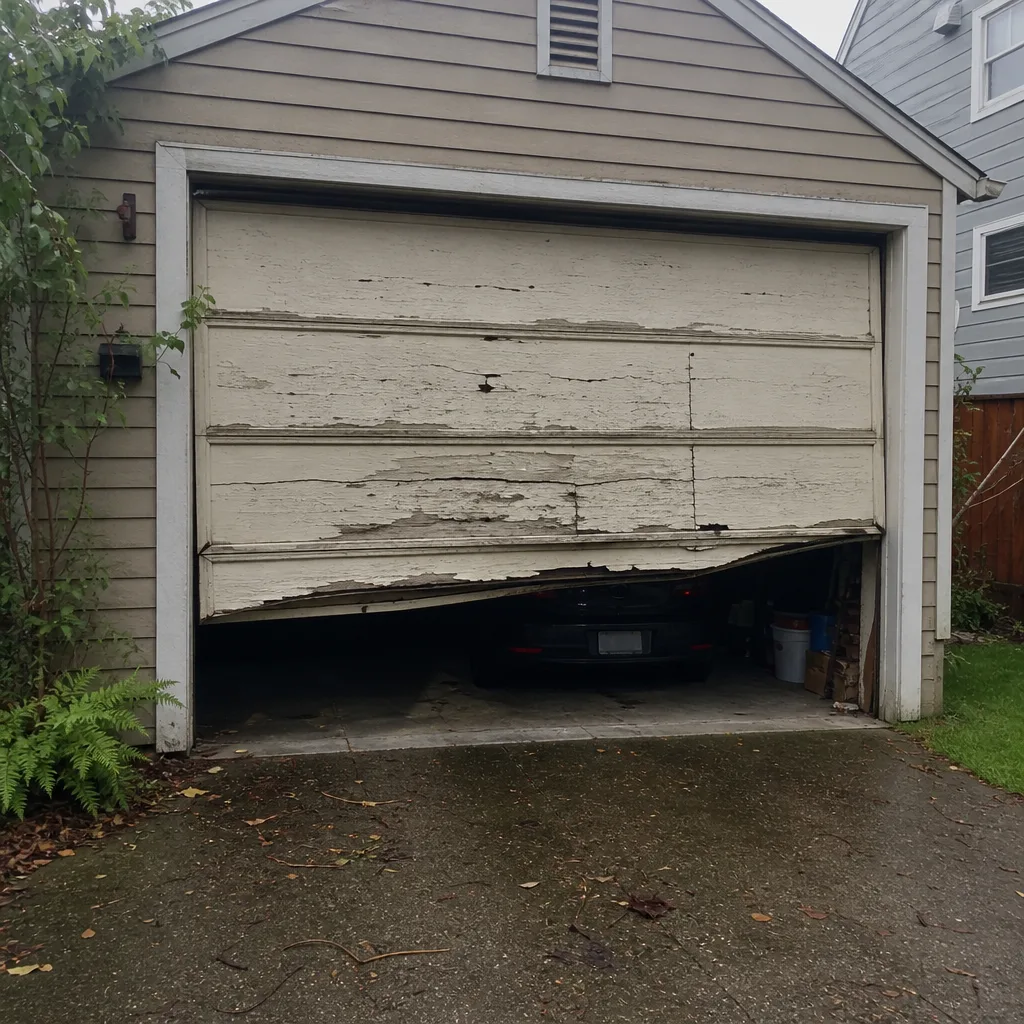 Before
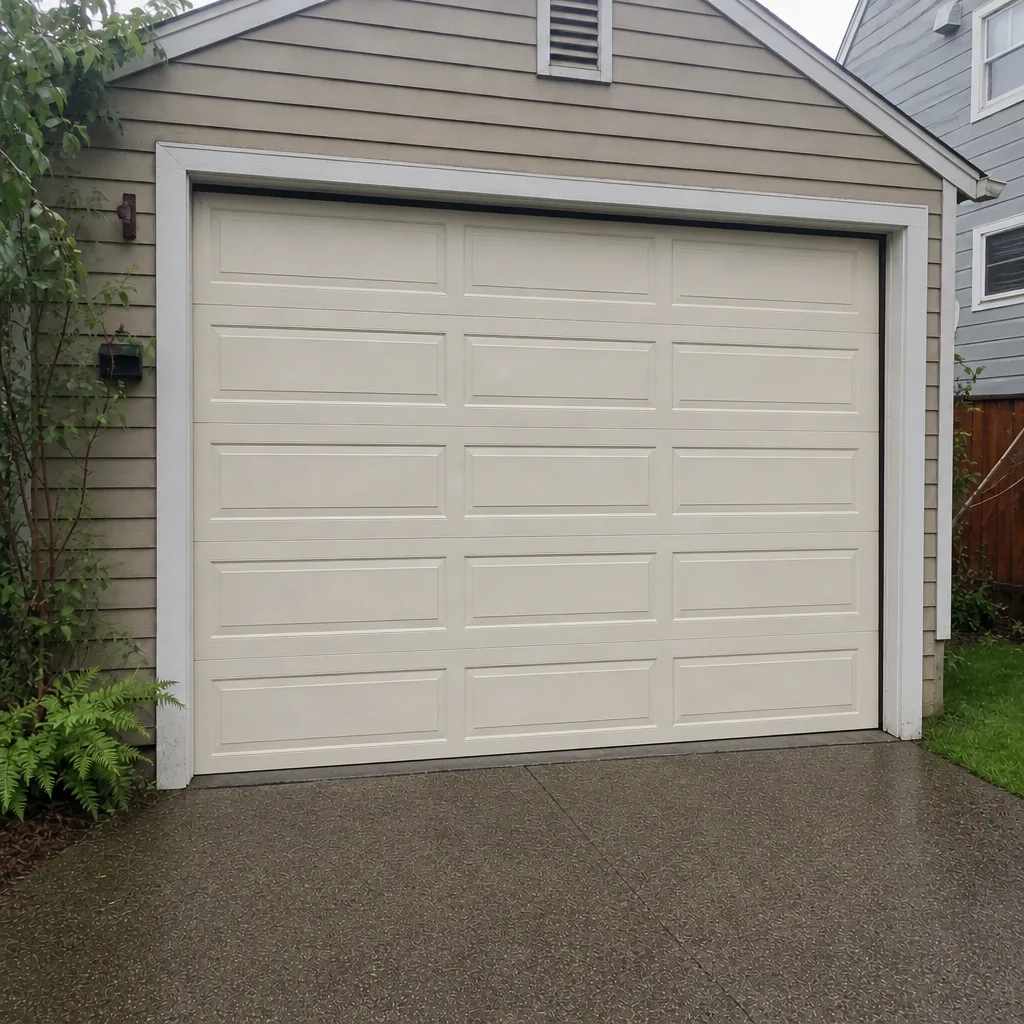 After
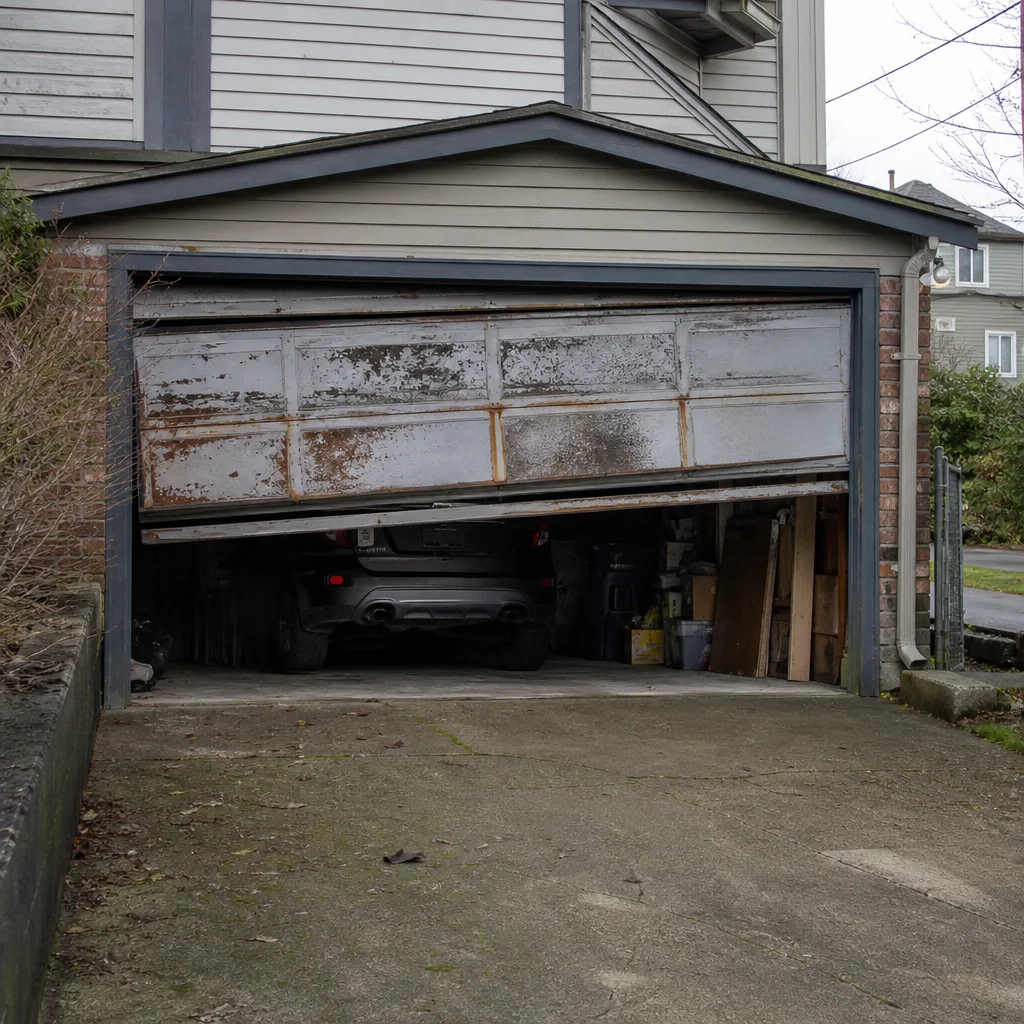 Before
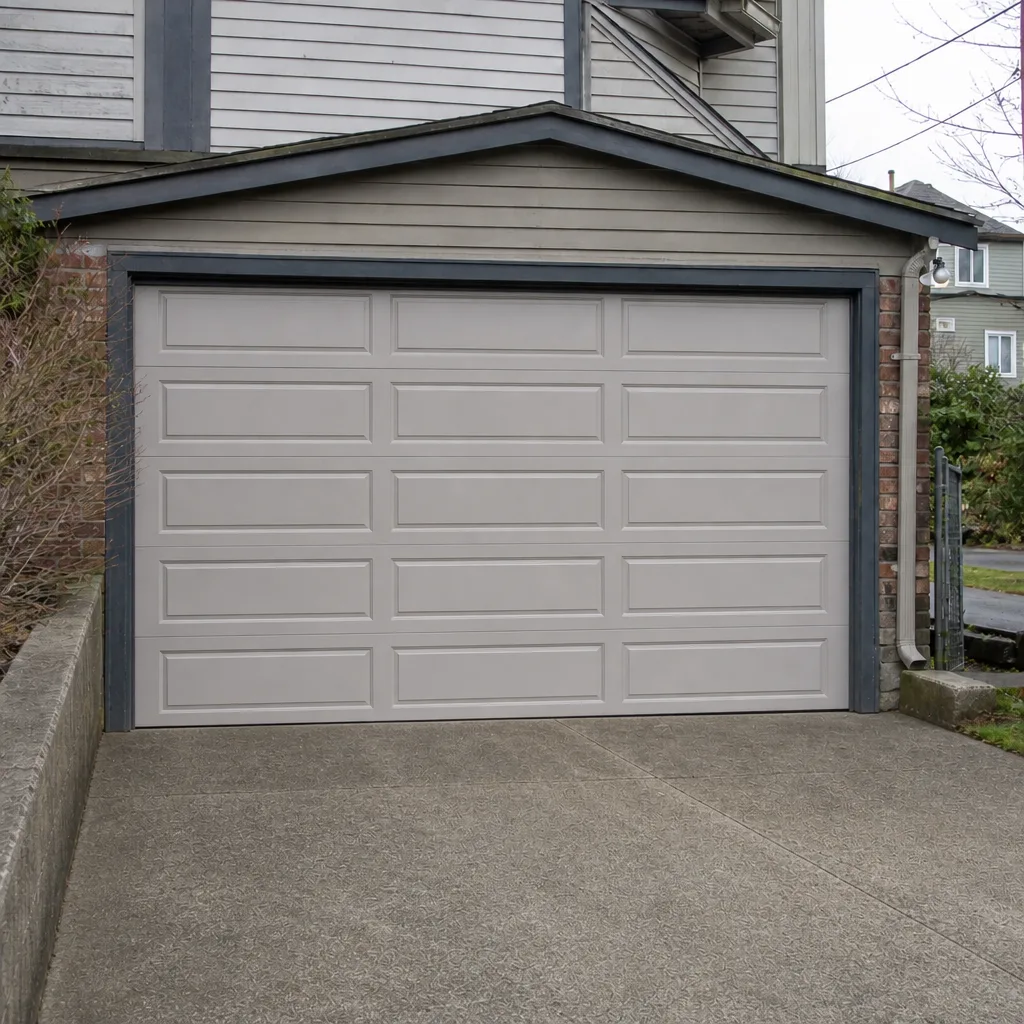 After
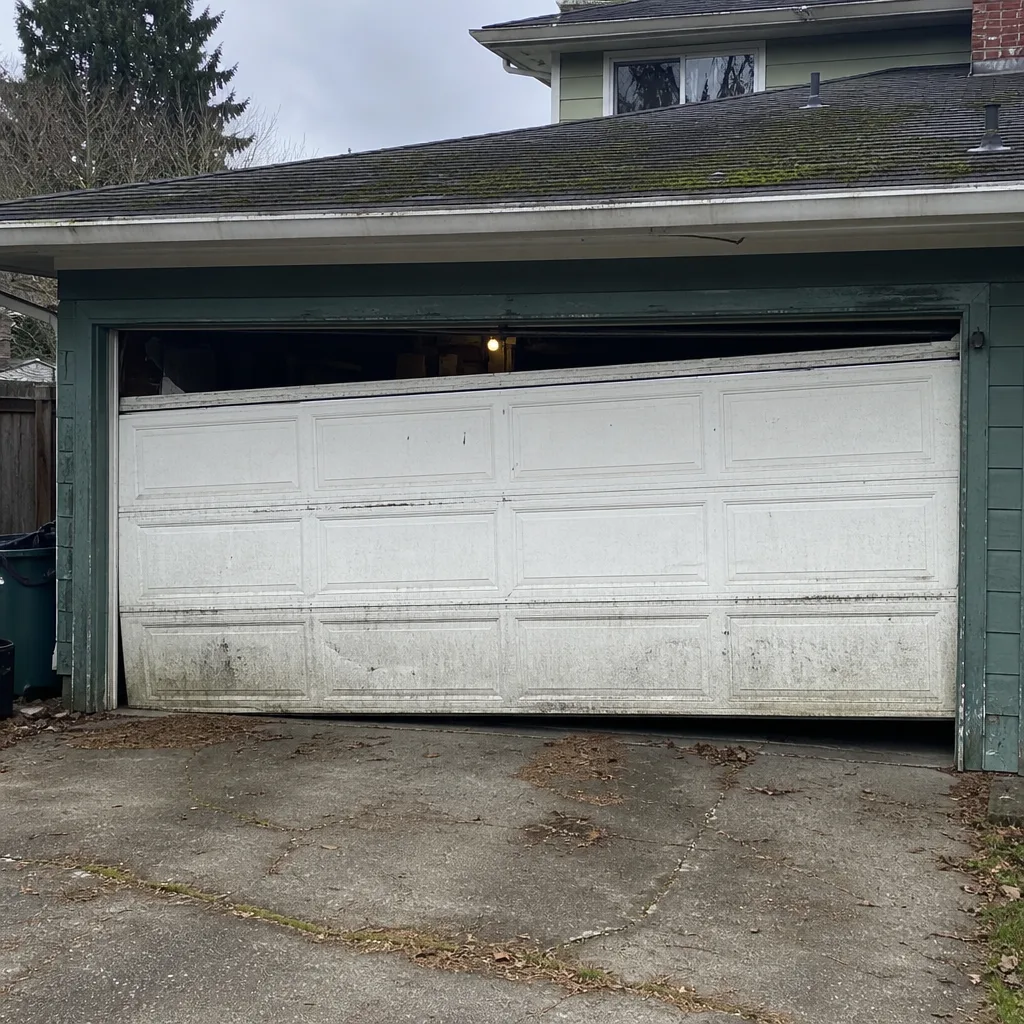 Before
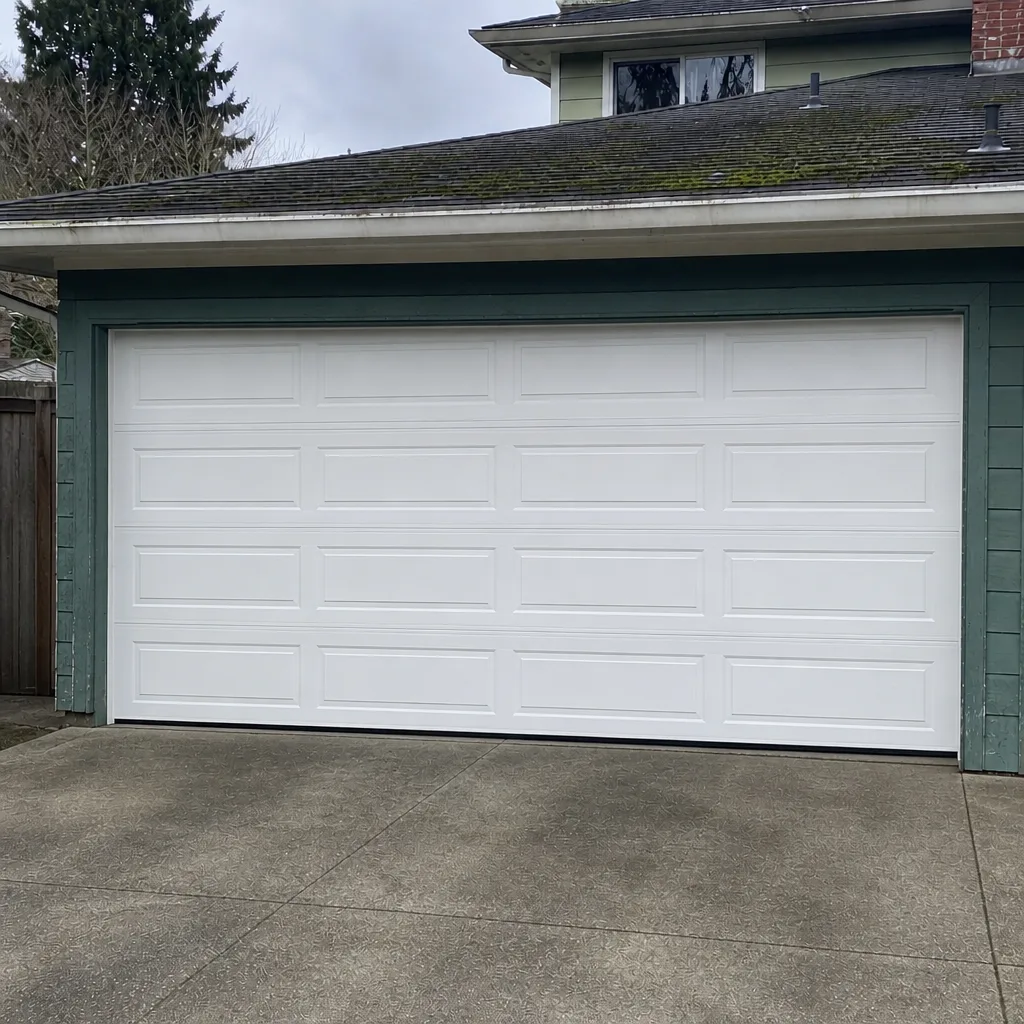 After
When to Call a Professional
Some jobs are maintenance. Some are high-tension work that belongs with a trained technician. Call a professional if you see a broken spring, a frayed or slack cable, a dented or jumped track, a door that won’t stay balanced after the balance test, a door that won’t close on its own, or a cracked panel. Those are repairs, not maintenance. Cables and torsion assemblies are under extreme tension, and a mistake can cause serious injury. Call before you touch.
For the repair itself, a garage door specialist diagnoses faster and carries the right parts for the brand on the door. We service eight of the brands you’re most likely to own, including Genie, Clopay, Amarr and Wayne Dalton, which means fewer misdiagnosed jobs and fewer repeat calls. If the opener is the problem rather than the door, see our guide to garage door opener repair. For a door that’s past maintenance and heading into replacement, we also handle garage door installation. Capitol Hill Garage Door Repair offers free estimates in Capitol Hill. Call (844) 625-7327. We answer 24/7. Fast dispatch from 7am to 7pm, Sunday through Friday.
Frequently Asked Questions
Once a year for a full professional service, with monthly safety checks and a semi-annual lubrication and balance test in between. The annual service should land before the cold season in Capitol Hill, ideally before November. Springs get a light application once a year; rollers and hinges get attention twice a year. Call (844) 625-7327 to book an annual service.
Yes, once a year, with a dedicated garage-door spring lubricant. Not white lithium grease, not WD-40, and not monthly. Over-lubrication attracts grit, accelerates wear on the coils, and voids warranties. If you’re not sure what product to use on your springs, ask. Call (844) 625-7327 for a free estimate.
Because cold garage interiors stiffen lubricants, shrink seals and add load to a tired spring. A thorough pre-winter service in October carries more benefit through the cold season than the spring tune-up does. Capitol Hill garages often sit below living space or behind an alley, and they run cold for months. Call (844) 625-7327 to schedule a pre-winter service.
Disconnect the opener, lift the door to halfway, let go, and see whether it stays put. It should. A door that drifts down, slams, or feels heavy going up is losing spring calibration. Catch it at that stage and you’re looking at maintenance, not an emergency. Call (844) 625-7327 if the test shows a problem.
Measure and look. A spring with a two-inch gap along the coil, visible rust eating into the wire, or a stretched length versus a new spring of the same specs is a replacement candidate. A spring with intact coils gets a light application once a year. Don’t try to adjust or replace springs yourself; that’s high-tension work. Call (844) 625-7327 for an evaluation.
We service LiftMaster, Chamberlain, Genie, Clopay, Amarr, Wayne Dalton, Craftsman and Raynor, which covers most of the doors and openers homeowners actually own. That breadth means your door gets the right parts, not a workaround. Call (844) 625-7327 to ask about your specific model.
The Bottom Line
Garage door maintenance is a tiered calendar, not a single annual checklist. Check the safety reverse monthly, tighten hardware quarterly, lubricate rollers and hinges and run the balance test semi-annually, and book the deep service annually before the Capitol Hill cold sets in. Springs get a light, purpose-made application once a year and never white lithium grease. When a measurement or a visual sign crosses the replacement line, replace, don’t band-aid. Done on the right intervals, this schedule prevents most emergency calls, keeps the opener running at the load it was built for, and extends the life of the door itself.
Capitol Hill Garage Door Repair handles the full scope of garage door work, from a broken spring to a full installation. Free estimates, upfront pricing, and the written quote sets the price before any work starts. Call (844) 625-7327. We answer 24/7. Fast dispatch from 7am to 7pm, Sunday through Friday.
Written by the team at Capitol Hill Garage Door Repair.