
Last updated November 23, 2026
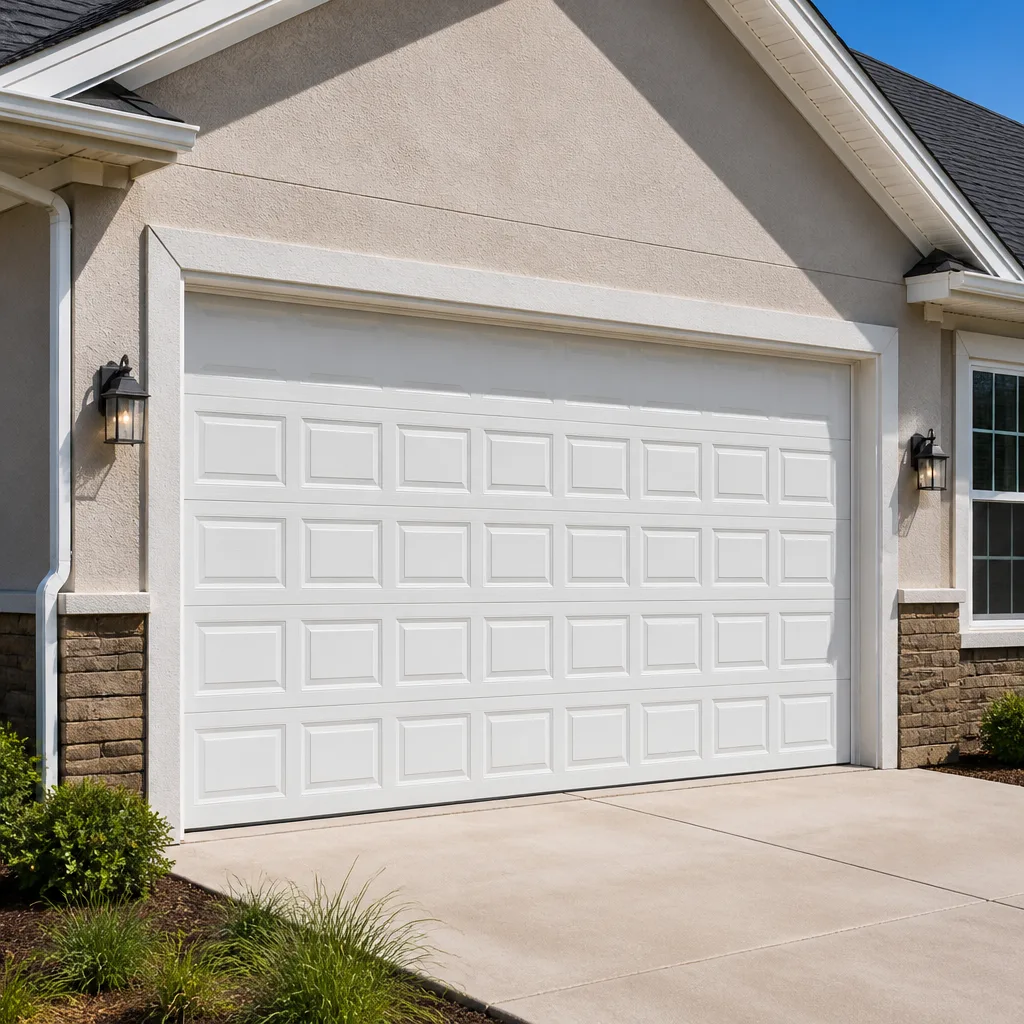 Raised-panel steel
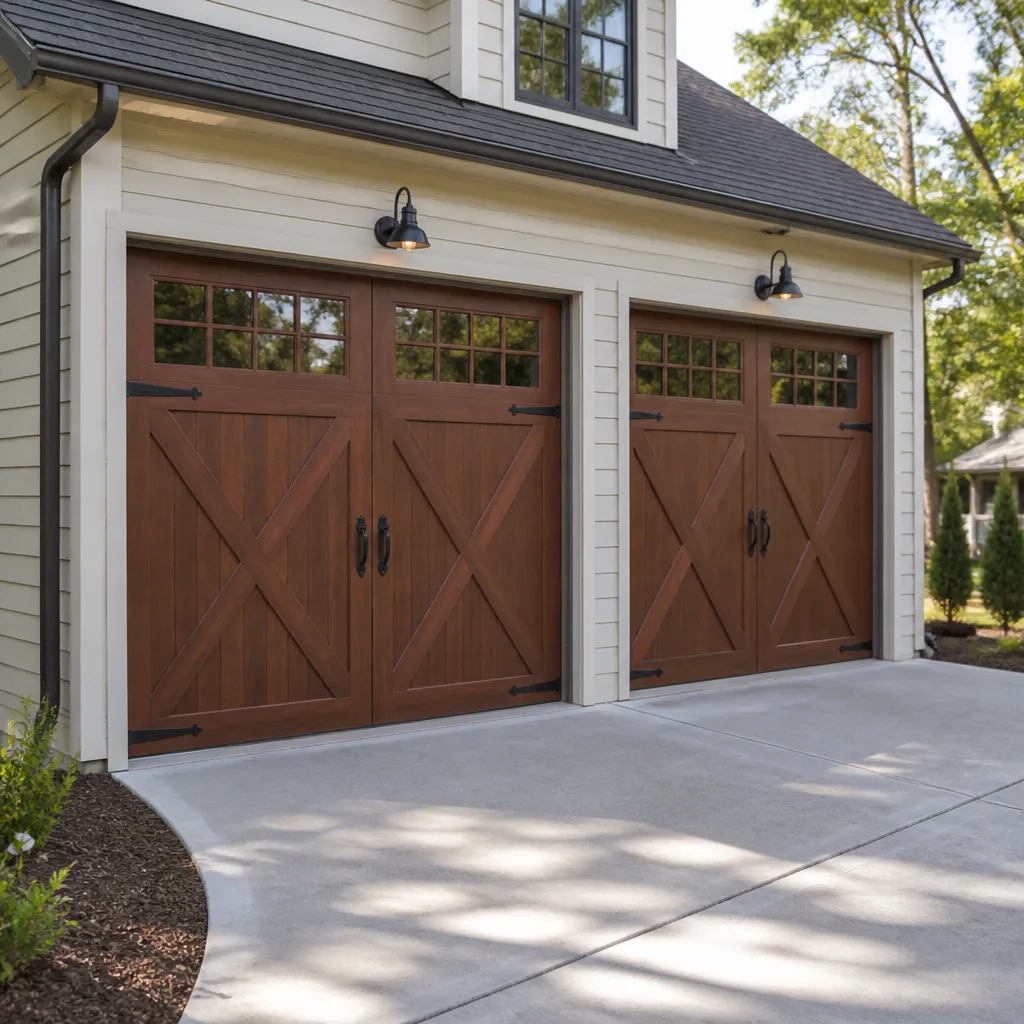 Carriage house
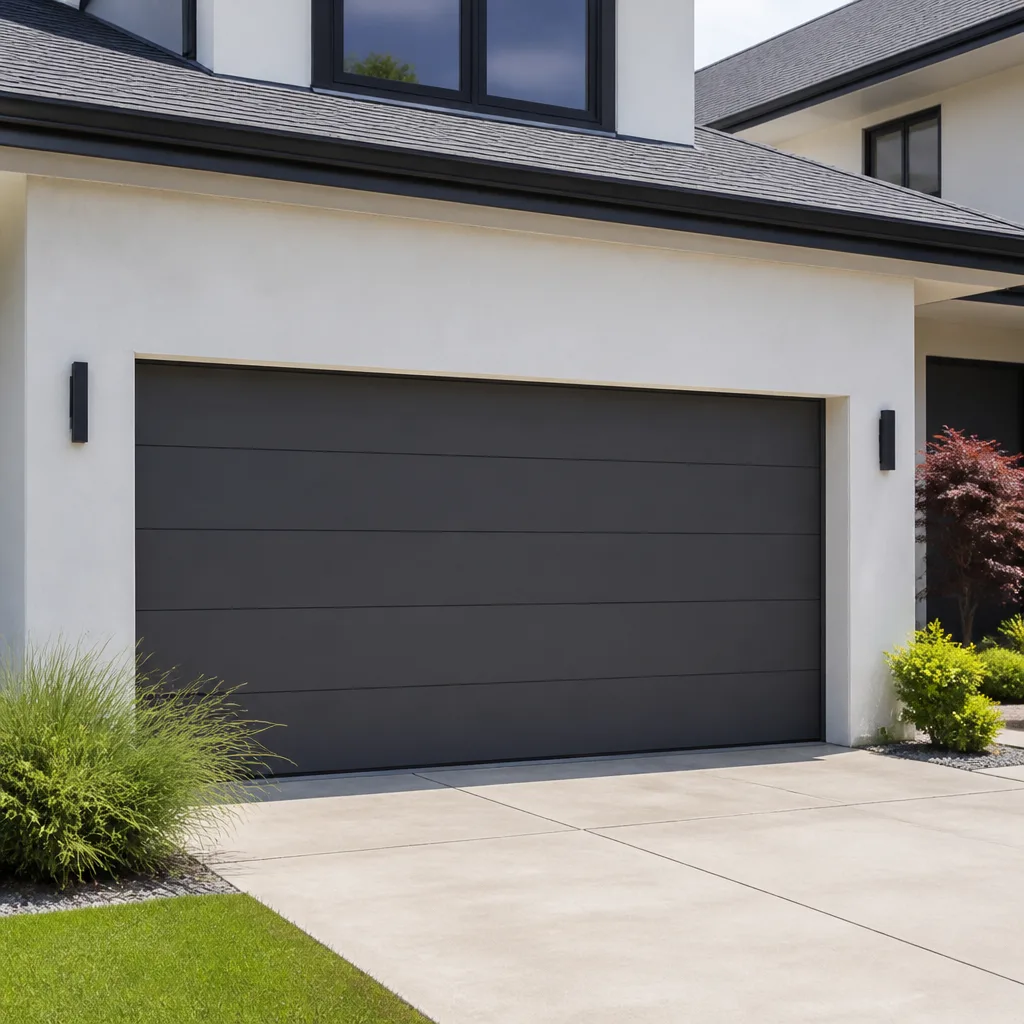 Modern flush
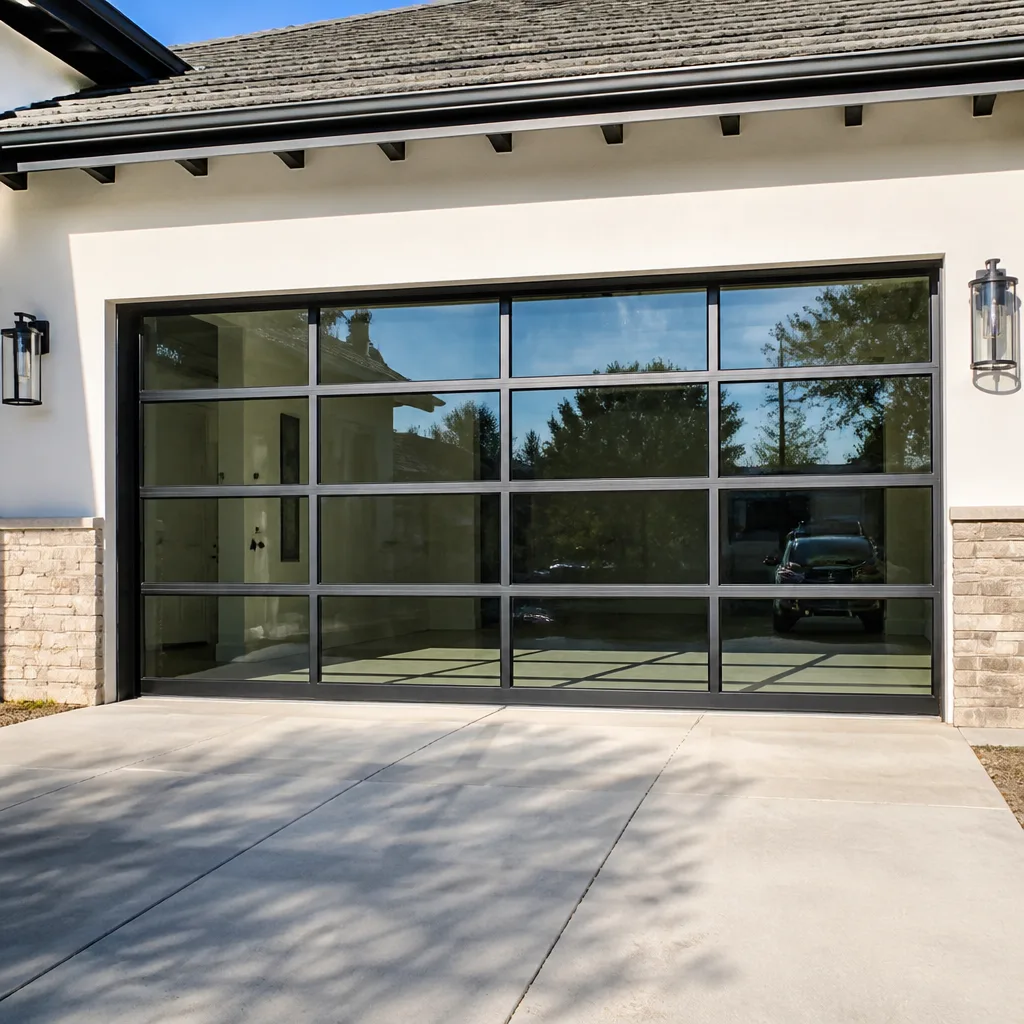 Full-view glass
 LiftMaster openers
 Chamberlain openers
Full 25-point door and opener safety check with every visit - springs, cables, rollers, tracks, and your LiftMaster or Chamberlain opener included
You get a price before we start. It does not change when the pro arrives.
Get your free estimateGarage Door Permits, Codes & Inspections in Capitol Hill, WA: What You Need to Know
Most Capitol Hill homeowners assume swapping a garage door is a no-permit job. Most of the time that assumption holds, and the work moves forward without a trip to the permit desk. But change the opening size by even a couple of inches, install on a building inside one of Capitol Hill’s overlay zones, or replace a door that forms part of a conditioned garage’s envelope, and the rules change fast. In our experience, the permit question gets answered after the door is already ordered, which is the wrong order. This guide maps exactly when Seattle and Washington State code triggers a permit requirement for garage door work in Capitol Hill, what a permit inspection actually checks, and how to keep a future home sale from stalling on unpermitted work.
Quick Answer
A straight like-for-like garage door replacement on a single-family home in Capitol Hill is usually treated as ordinary maintenance and does not require a building permit. You do need a permit when the opening itself is modified, when the work involves structural changes to the wall or header, or when the property sits inside a design review or conservation overlay that governs exterior changes. When in doubt, ask the Seattle Department of Construction and Inspections (SDCI) directly before you order the door. The answer is free and it saves real headaches.
Styles & brands we work with
- Raised-panel steel
- Carriage house
- Modern flush
- Full-view glass
- LiftMaster openers
- Chamberlain openers
Table of Contents
- When does a garage door replacement need a permit in Capitol Hill?
- How Capitol Hill overlay zones affect exterior door changes
- What Washington’s energy code asks of a replacement door
- Rough-in vs. final inspection: what each one checks
- How unpermitted garage door work surfaces during a home sale
- The permit process, step by step
- Does the door brand affect the permit question?
- Common mistakes to avoid
When does a garage door replacement need a permit in Capitol Hill?
SDCI draws a line between ordinary maintenance and alterations. Replacing a door with one of the same size, in the same opening, using the same type of hardware is normally maintenance. Anything that changes the opening, the structure around it, or the way the building performs gets reviewed as an alteration or a new construction element, and that means a permit.
The practical triggers we see on Capitol Hill come down to a short list:
- Opening size changes. Widening or raising the rough opening means cutting the header, adding framing, and changing the load path above the door. That’s structural work and it’s permitted.
- Wall or header modification. Removing a post, changing a beam, or altering how the door opening is supported falls under structural review.
- Converting the garage. Turning a garage into living space, or changing the door to a window wall, changes the use of the structure and triggers a permit.
- Overlay and design review. If the door faces a street inside a designated review area, exterior changes can require design review even when the opening stays the same.
- Adding a new door where none existed. Cutting a new opening into an existing wall is an alteration, plain and simple.
A same-size swap on a Craftsman or Raynor door in a standard single-family garage usually clears without a permit. But “usually” is doing a lot of work in that sentence. If your home is in a townhome cluster, a converted multifamily building, or a property with a recorded overlay, confirm with SDCI before the door is ordered. We work on Capitol Hill doors every week and the honest answer is that the permit question is property-specific, not door-specific.
How Capitol Hill overlay zones affect exterior door changes
Capitol Hill carries more design and conservation overlay than most Seattle neighborhoods, and those overlays are the single most common reason a garage door project that looked simple suddenly needs a review. Two overlays come up again and again for local homeowners.
Urban Center Village
Capitol Hill is designated as an Urban Center Village in Seattle’s growth framework, which means the neighborhood is planned for denser development and, in many blocks, subject to design review for exterior changes that affect how a building reads from the street. A garage door replacement that keeps the same dimensions rarely triggers this. A change in door style, material, or glazing on a street-facing garage can, depending on the block and the building type.
Pike/Pine Conservation Overlay District
The Pike/Pine Conservation Overlay District covers a stretch of Capitol Hill centered on the Pike/Pine corridor and exists to protect the character of older buildings in that area. If your property falls inside it, exterior alterations, including a new garage door facing the street, can require design review even when the opening stays the same size. The overlay is about character and appearance, not structural safety, so it catches projects that would otherwise sail through as maintenance.
The upshot for Capitol Hill homeowners: the door itself is almost never the permit problem. The location of the door on the building, and the overlay the building sits in, is what matters. Pull your property up on the Seattle zoning map before you commit to a style change, and call SDCI if the overlay boundary is close to your block. The boundary doesn’t always follow a straight line, and a half-block difference changes the answer.
What Washington’s energy code asks of a replacement door
Washington State’s energy code treats garage doors differently depending on whether the garage is conditioned or unconditioned. An unconditioned garage, the standard detached or attached storage garage with no heat, is not held to insulation requirements for the door itself. A conditioned garage, one that shares a wall with living space or is heated, is a different story. In those cases the door is part of the building’s thermal envelope and the new door needs to meet the insulation value the code assigns to that assembly.
What that means practically:
- Check whether your garage is conditioned before you pick a door. Most Capitol Hill single-family garages are unconditioned, but converted garages and newer townhomes often are not.
- If the garage is conditioned, choose a door with an insulation value that meets the code for your assembly. The manufacturer’s spec sheet carries that number.
- Keep the spec sheet. If the work is permitted, the inspector will want to see it. If the work isn’t permitted but the garage is conditioned, the spec sheet protects you at resale.
- A door that meets the energy code usually costs more than a basic non-insulated door. That’s a real cost difference, not a sales upsell.
Our technicians have up to 14 years of experience installing insulated and non-insulated doors across Capitol Hill, and the insulation question is the one homeowners most often skip. It’s worth ten minutes to confirm whether your garage is conditioned before the order goes in.
Rough-in vs. final inspection: what each one checks
A permitted garage door installation typically goes through two inspection stages. Understanding what each one looks for keeps a project from stalling on a re-inspection.
Rough-in inspection
The rough-in inspection happens before the door goes on, when the framing and structural work are exposed. The inspector is checking that the opening is built to the approved plans, that the header and framing carry the load the plan specifies, and that any structural changes are in place and visible. On a like-for-like swap there’s no rough-in because there’s no structural work. On a widened or new opening, the rough-in is the critical inspection.
Final inspection
The final inspection happens after the door is installed and the work is complete. The inspector checks that the door operates, that the safety features (auto-reverse, photo-eye sensors on an opener) function, that the installation matches the approved plans, and that any required insulation or energy compliance is documented. The final is where small mismatches between what was approved and what was built come to light, which is why the plans and the actual door should match.
If your opener is being replaced alongside the door, note that opener work itself isn’t usually part of the garage door permit. A LiftMaster or Chamberlain opener swap is a separate job with its own safety checks. Our garage door opener repair page covers those separately.
How unpermitted garage door work surfaces during a home sale
Unpermitted garage door work is one of the quieter issues that comes up in a Capitol Hill home sale. It rarely stops a sale, but it can complicate one, and the cost of fixing it after the fact is usually higher than the cost of doing it right the first time.
Here’s how it typically surfaces:
- During the buyer’s inspection. A home inspector who sees a widened opening, a modified header, or a recent garage door on a property with no recorded permit flags it. That flag goes in the report and the buyer asks questions.
- During the title search. Recorded permits show up on title. Missing permits on structural work don’t, but a seller disclosure question about unpermitted work often prompts the seller to reveal it.
- During the appraisal. An appraiser looking at a garage conversion or a modified opening will note if the work appears unpermitted, and that can affect the appraisal value.
- After the sale. If unpermitted work is discovered post-close, the buyer can pursue the seller, and the seller can end up paying for retroactive permitting and any corrective work.
The preventive move for sellers is straightforward: pull the permit history on your property before you list, and if a garage door project on the property was structural, confirm the permit was closed. If it wasn’t, you can often permit it retroactively, but it’s easier and cheaper before the sale than after. For buyers, ask specifically whether any garage door or garage conversion work was permitted. It’s an easy question that’s rarely asked.
The permit process, step by step
If your Capitol Hill project does cross the permit line, here’s the sequence the work typically follows. Timelines vary by SDCI workload, so treat this as the order of operations rather than a calendar.
- Confirm the requirement. Call SDCI with your address and a description of the work. They’ll tell you whether it’s maintenance or an alteration, and whether an overlay applies.
- Check the overlay. If your property is inside an Urban Center Village or Pike/Pine Conservation Overlay block, confirm whether design review is triggered by your door change.
- Prepare the drawings. For a structural change you’ll need plans showing the opening, the header, and the framing. A licensed designer or contractor usually prepares these.
- Submit the permit application. SDCI reviews for code compliance and, where applicable, design review.
- Get the permit issued and post it. The permit needs to be on site before work starts.
- Schedule the rough-in inspection. This happens after framing and before the door goes on, if there’s structural work.
- Install the door and schedule the final inspection. The final confirms the work matches the plans and the door operates safely.
- Close the permit. Keep the final inspection record with your home documents for the eventual sale.
For the door install itself, our garage door installation page walks through what a typical Capitol Hill install involves. If you’re not sure yet whether you’re repairing or replacing, our garage door repair page covers the diagnostic side. Either way, the permit question is best answered before the door is chosen.
Does the door brand affect the permit question?
No. The permit question is about the building and the opening, not the brand on the door. A Clopay, Amarr, or Wayne Dalton door in the same opening is reviewed the same as any other. The brand matters for the installation, the parts, and the opener compatibility, but it doesn’t change whether SDCI needs to see the project.
Where brand does matter is the details. If you’re replacing a door and keeping an existing opener, the door’s weight and balance need to match what the opener expects. A heavier insulated door on an opener sized for a lighter door can need a different spring setup or a different opener entirely. In our experience, that’s where a same-size swap gets more complicated than the homeowner expected, and it’s worth confirming before the order. Garage doors are all we do, and we work on the brand you already have, whether that’s a LiftMaster opener from years ago or a newer Chamberlain unit with a smart hub.
The other place brand shows up is parts. If a door spring fails or a roller wears out on a specific brand, the correct part is what makes the repair last. We stock and supply components directly, which means the right part, not a workaround, and not a wait for an order. That’s a repair question rather than a permit one, but it’s the practical reality of keeping a Capitol Hill door working after it’s installed.
Common Mistakes to Avoid
- Assuming all replacements are permit-free. Like-for-like swaps usually are. Widened openings, converted garages, and overlay-zone changes are not. Confirm before you order the door, not after it arrives.
- Missing the overlay on your block. Capitol Hill’s Urban Center Village and Pike/Pine Conservation Overlay districts catch exterior door changes that would otherwise be maintenance. A half-block boundary detail changes the answer, so check the zoning map against your exact address.
- Ignoring the insulation question on a conditioned garage. If the garage shares a wall with living space or is heated, the new door has to meet the energy code for that assembly. Skipping this gets caught at the final inspection or at resale.
- Ordering the door before the permit is issued. A structural change can take review time, and a door that arrives before the permit does can sit in the driveway for weeks. Confirm the permit status first.
- Skipping the rough-in inspection on a widened opening. If the header and framing aren’t inspected before the door goes on, the final inspection can’t confirm what’s behind the wall. That’s a re-work scenario nobody wants.
- Not pulling the permit history before a sale. Unpermitted garage door work on a Capitol Hill property is easy to miss and easy to catch during a buyer’s inspection. A five-minute records check before listing protects the sale.
- Treating a spring repair like a DIY job. Garage door springs and cables are under extreme tension. This isn’t a permit issue, but it’s the single most dangerous mistake we see. Leave spring and cable work to a trained technician.
Safety First: Why Spring Work Isn’t a Permit Question
One thing a permit won’t cover is the day-to-day danger inside the door assembly. Garage door springs, especially torsion springs, store enough energy to cause serious injury if they release unexpectedly. The same goes for the cables and the drums that hold them. That’s why we say this is not a job to troubleshoot yourself. A permit covers the building work; the spring and cable work is a matter of doing it correctly, with the right tools and the right training.
Our technicians handle spring repair in-house, and our team has up to 14 years of experience with the hardware that sits above your door. If a spring has failed, don’t run the opener, and don’t try to lift the door by hand. The opener will strain against a door it can’t lift, and the door can come down unexpectedly. Call, and we’ll diagnose it. Getting it diagnosed correctly the first time is far cheaper than a botched attempt.
See the difference
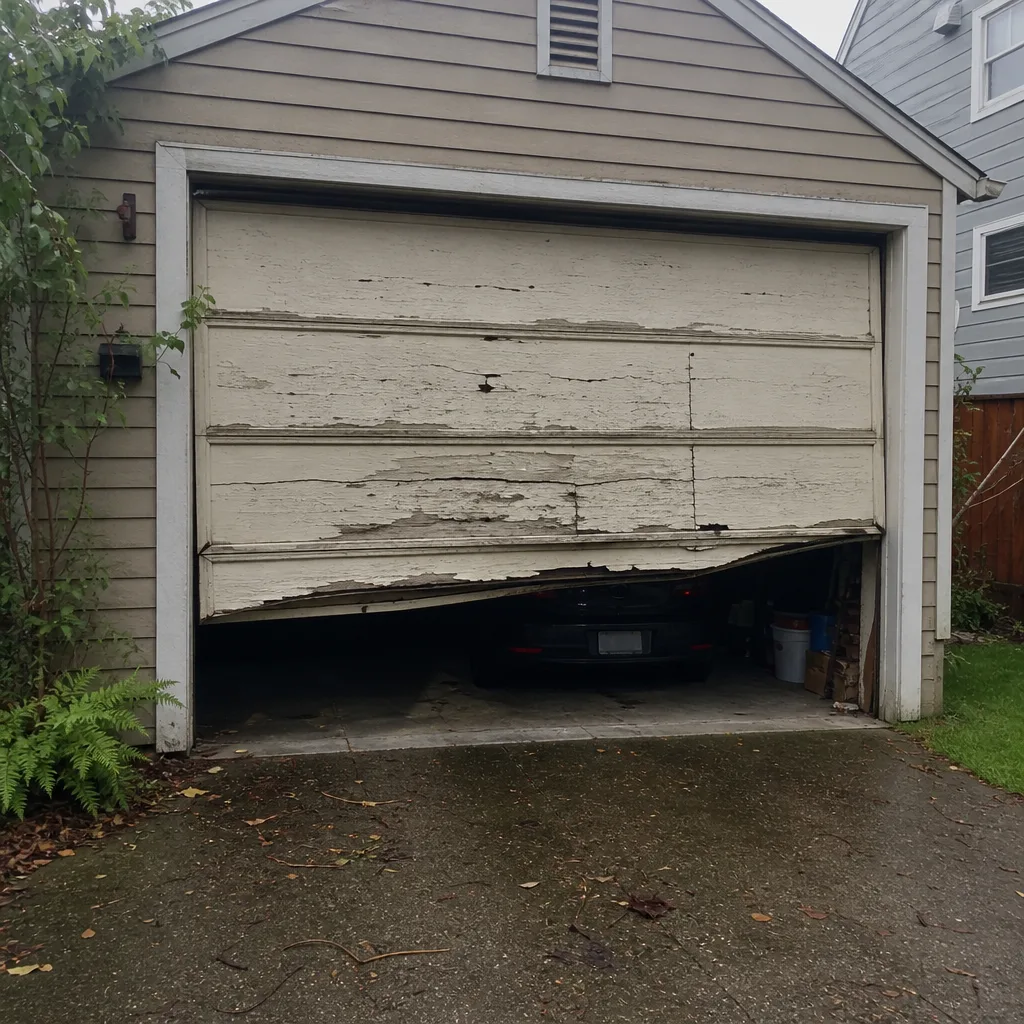 Before
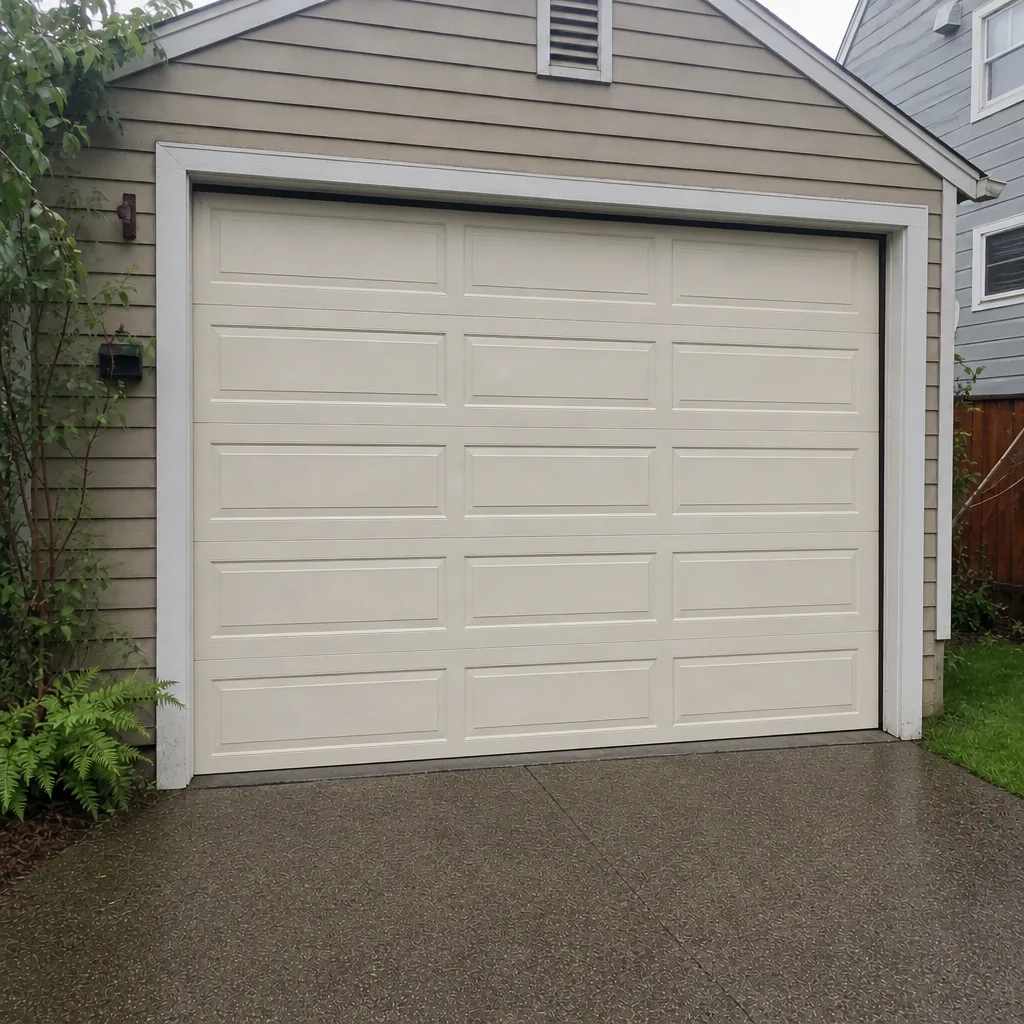 After
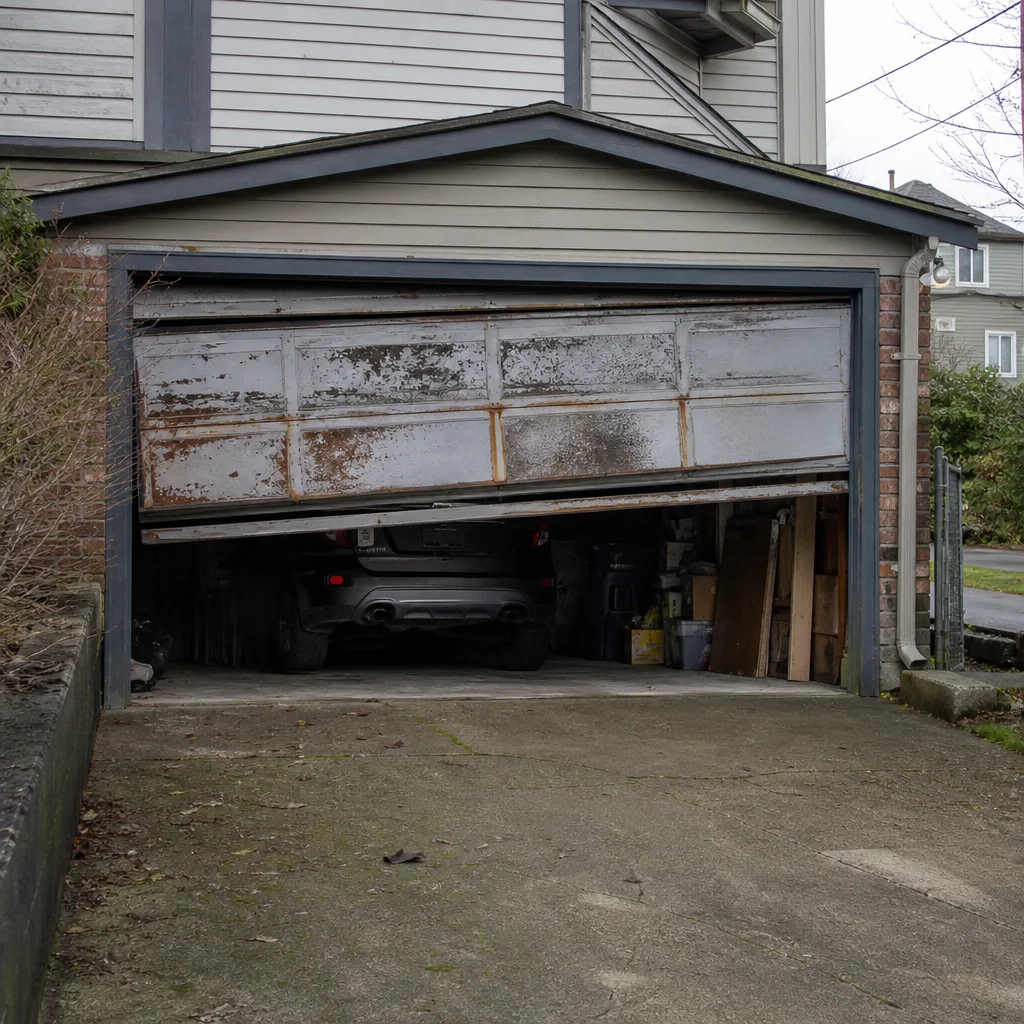 Before
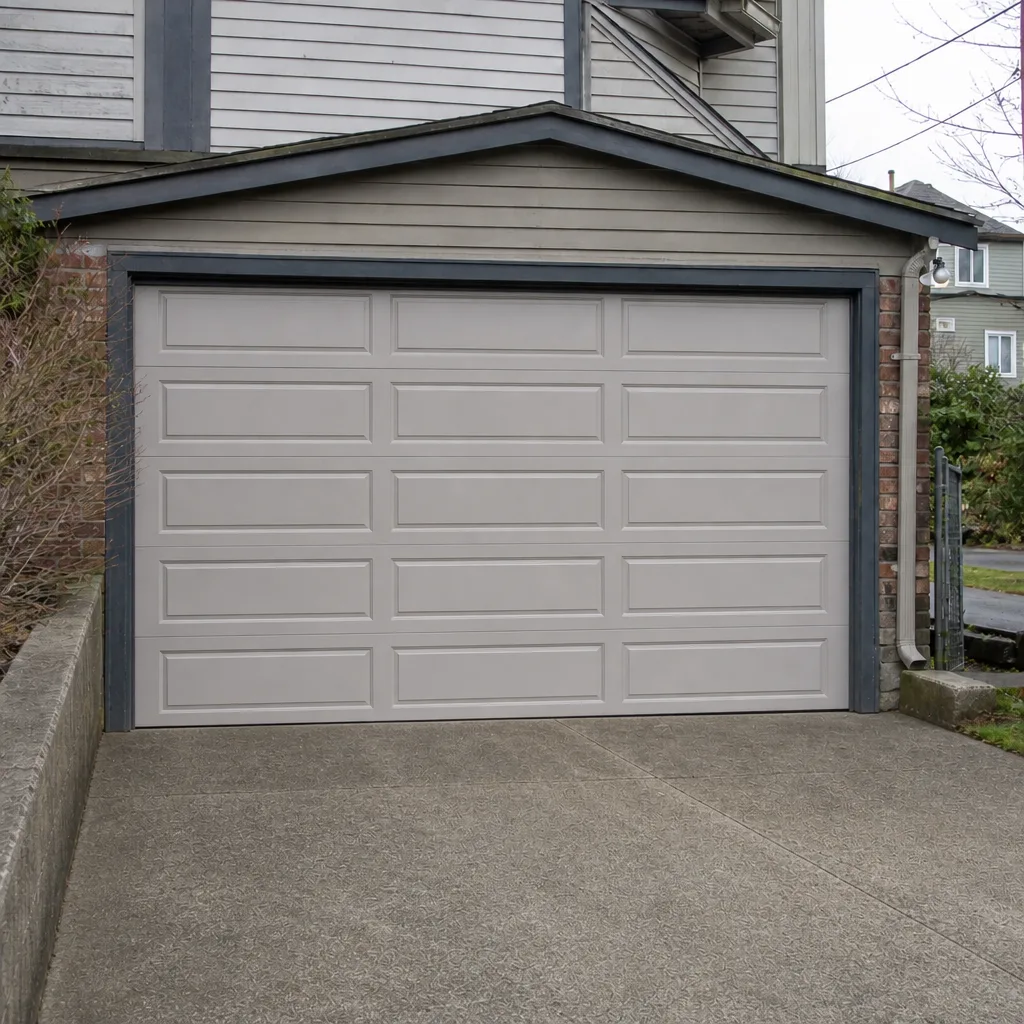 After
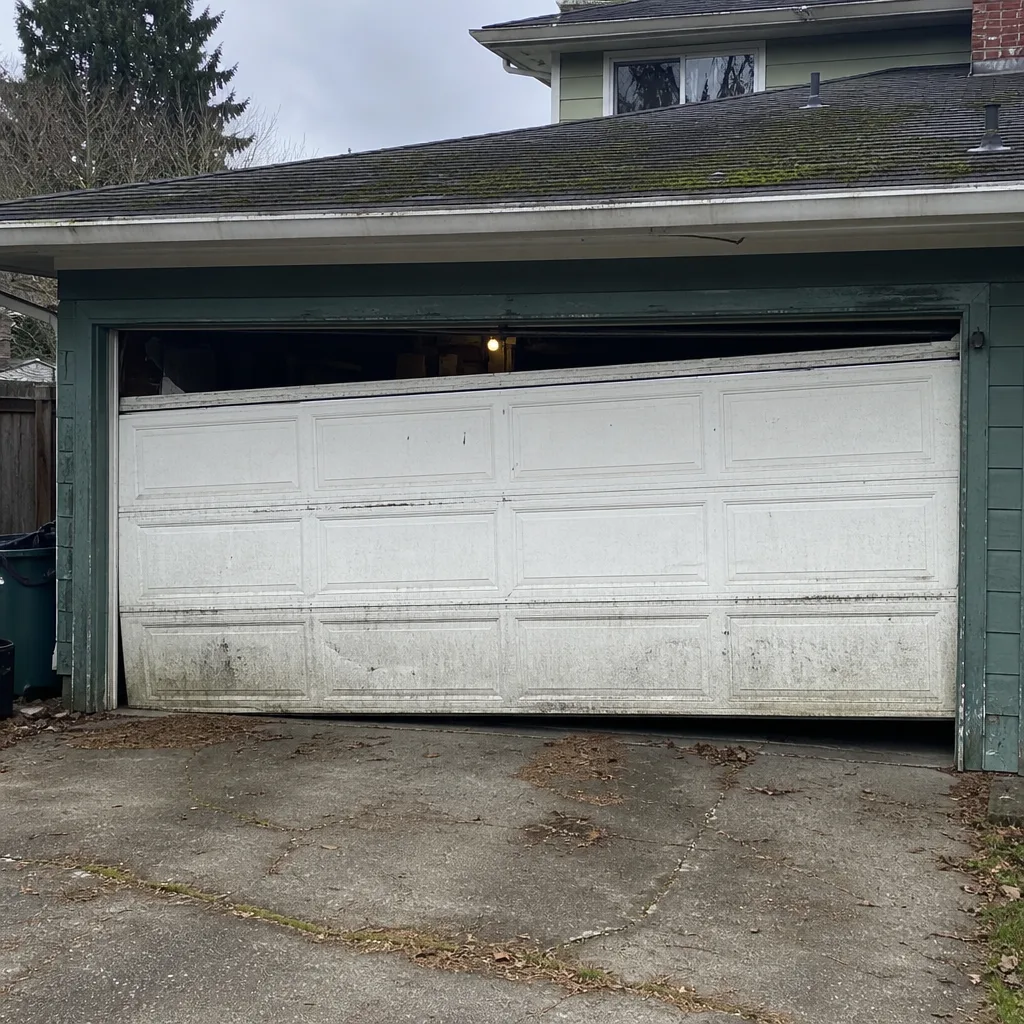 Before
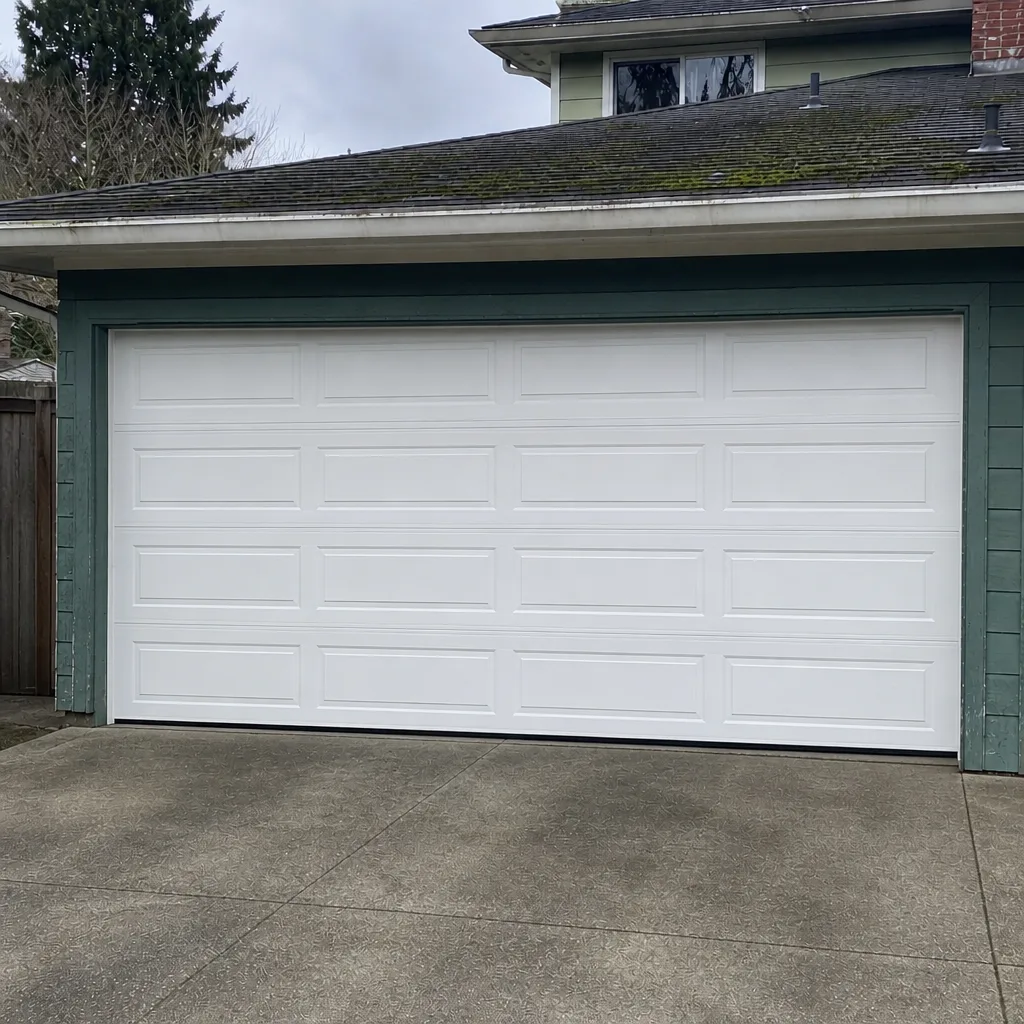 After
When to Call a Professional
Call a professional when the garage door is stuck, the spring has snapped, the opener runs but the door doesn’t move, or the door isn’t closing evenly. Call when you’re planning a replacement and aren’t sure whether your Capitol Hill property has an overlay issue or an energy code requirement on the door. Call when a repair has been attempted and didn’t hold, or when you suspect unpermitted work from a previous owner. And call before you order a new door if the opening needs any change at all. Capitol Hill Garage Door Repair offers free estimates in Capitol Hill, and the estimate is a written price that’s agreed before any work starts. Call (844) 625-7327. We answer 24/7. Fast dispatch from 7am to 7pm, Sunday through Friday.
Frequently Asked Questions
Usually not, if the new door is the same size in the same opening and no structural work is involved. A like-for-like replacement is normally treated as ordinary maintenance. You do need a permit if the opening size changes, if the header or framing is modified, if the garage is being converted, or if the property sits inside a design review or conservation overlay that governs exterior changes. Confirm with SDCI before you order. Call (844) 625-7327 for an estimate on the door work itself.
The Pike/Pine Conservation Overlay District is a Seattle overlay covering part of the Pike/Pine corridor in Capitol Hill, and it exists to protect the character of older buildings there. If your property is inside it, a street-facing garage door change can require design review even when the opening size stays the same. Whether it applies depends on your exact address and the overlay boundary, so check the Seattle zoning map or call SDCI. Call (844) 625-7327 for a free estimate on the install.
It does if the garage is a conditioned space, meaning it’s heated or shares its thermal envelope with living space. In that case the door is part of the building’s insulation and the replacement needs to meet the energy code’s insulation value for that assembly. On an unconditioned garage, the door itself isn’t subject to that requirement. The manufacturer’s spec sheet carries the insulation value, and it’s worth keeping for the final inspection and resale. Call (844) 625-7327 for a door quote.
A rough-in inspection checks the framing and structural work before the door goes on, confirming the opening is built to the approved plans. A final inspection checks the installed door, its operation, its safety features, and that the work matches the approved plans. On a like-for-like swap there’s usually no rough-in because there’s no structural work. The final is the inspection that confirms the project is closed out. Call (844) 625-7327 with questions about what your Capitol Hill project needs.
It can complicate the sale rather than stop it. Unpermitted structural work on a garage door often surfaces during the buyer’s inspection, the title search, or the appraisal, and the buyer will ask questions. If it’s discovered after close, the seller can end up paying for retroactive permitting and corrective work. The fix is to pull the permit history before you list and permit any structural work retroactively if needed. Call (844) 625-7327 if you want the door work assessed.
You can replace a like-for-like door yourself if you’re comfortable with the spring and cable safety issues, but most homeowners shouldn’t. The springs and cables are under extreme tension and are the most dangerous part of any garage door job. If the door involves a structural change, a widened opening, or a permit, the work typically needs a licensed professional, and the permit is usually pulled by the contractor. Garage doors are all we do, and our technicians handle spring work in-house. Call (844) 625-7327 for a free estimate.
The Bottom Line
Most garage door replacements in Capitol Hill sail through as maintenance and never touch the permit desk. The exceptions are real and they’re specific: a changed opening, a structural modification, a garage conversion, or a property inside the Urban Center Village or Pike/Pine Conservation Overlay. Add the energy code question when the garage is conditioned, and add the sale question when you’re planning to move. The pattern is always the same. Ask SDCI before you order, keep the paperwork, and get the spring and cable work done by someone trained to handle it. If you want a straight answer on whether your Capitol Hill door project needs a permit before you commit to a plan, call (844) 625-7327. We answer 24/7. Fast dispatch from 7am to 7pm, Sunday through Friday, and the estimate is free.
For more on what we handle across the neighborhood, start at Capitol Hill Garage Door Repair.
Written by the team at Capitol Hill Garage Door Repair.