
Last updated November 23, 2026
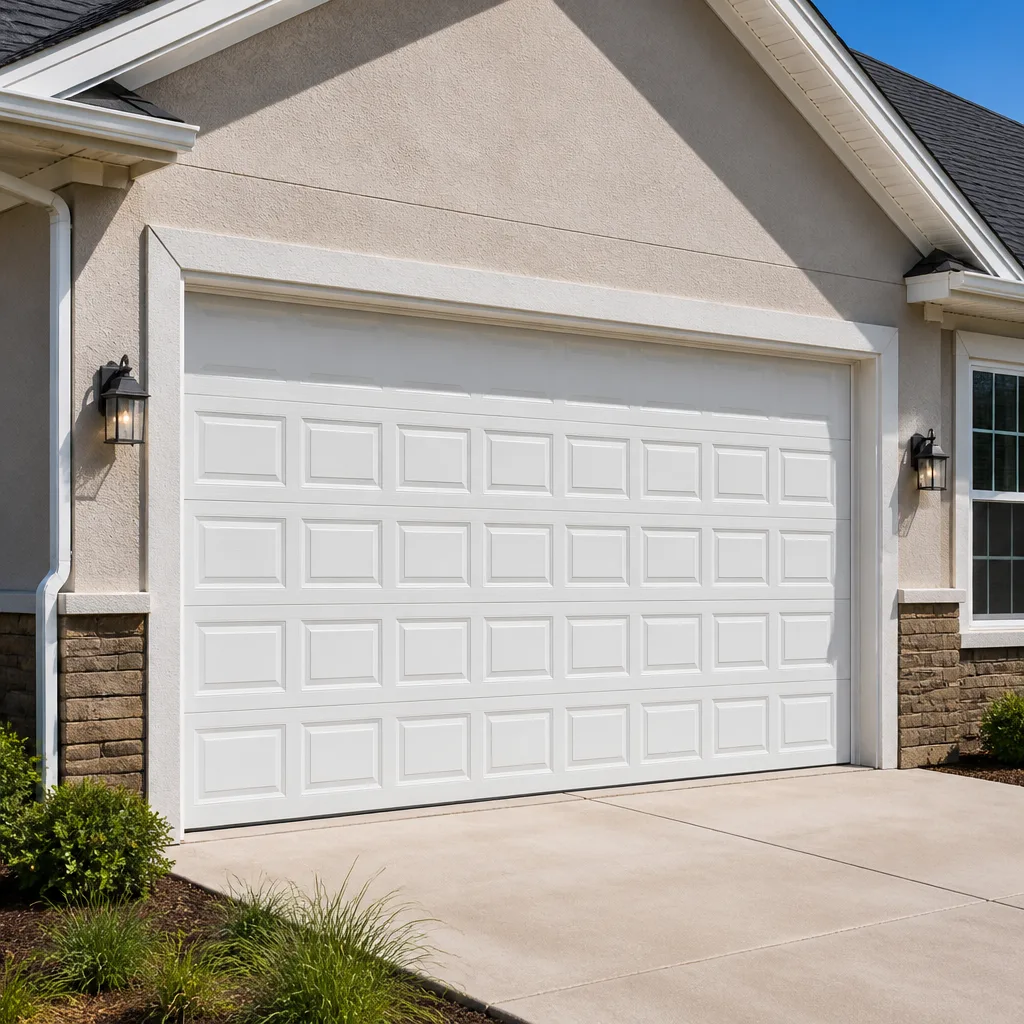 Raised-panel steel
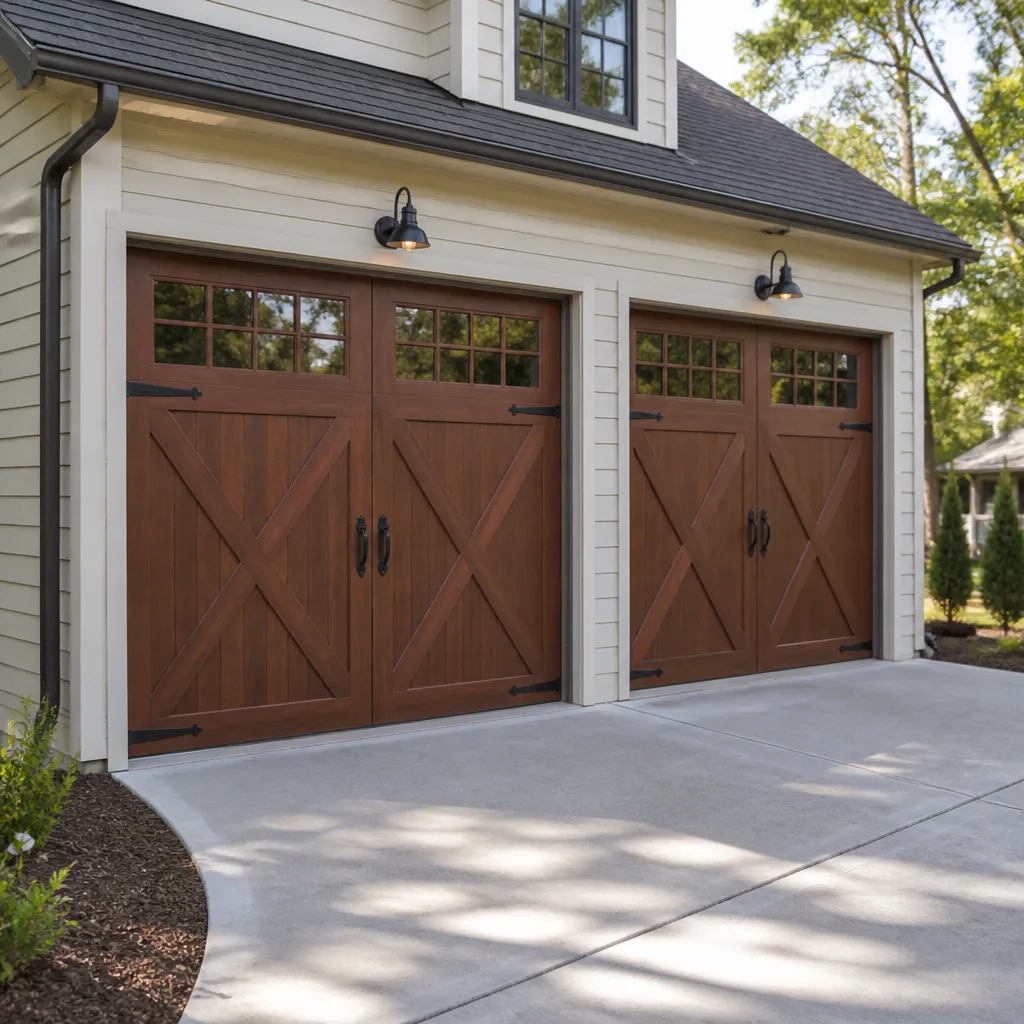 Carriage house
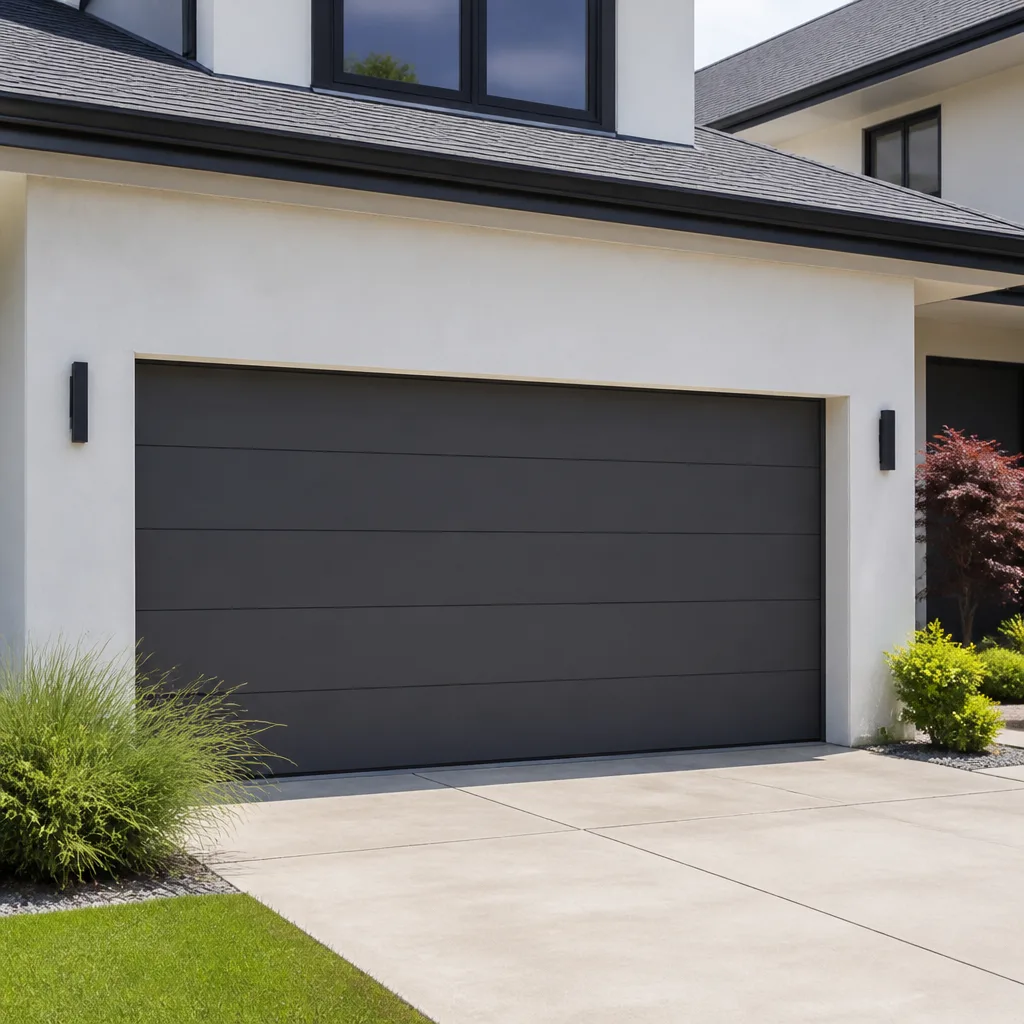 Modern flush
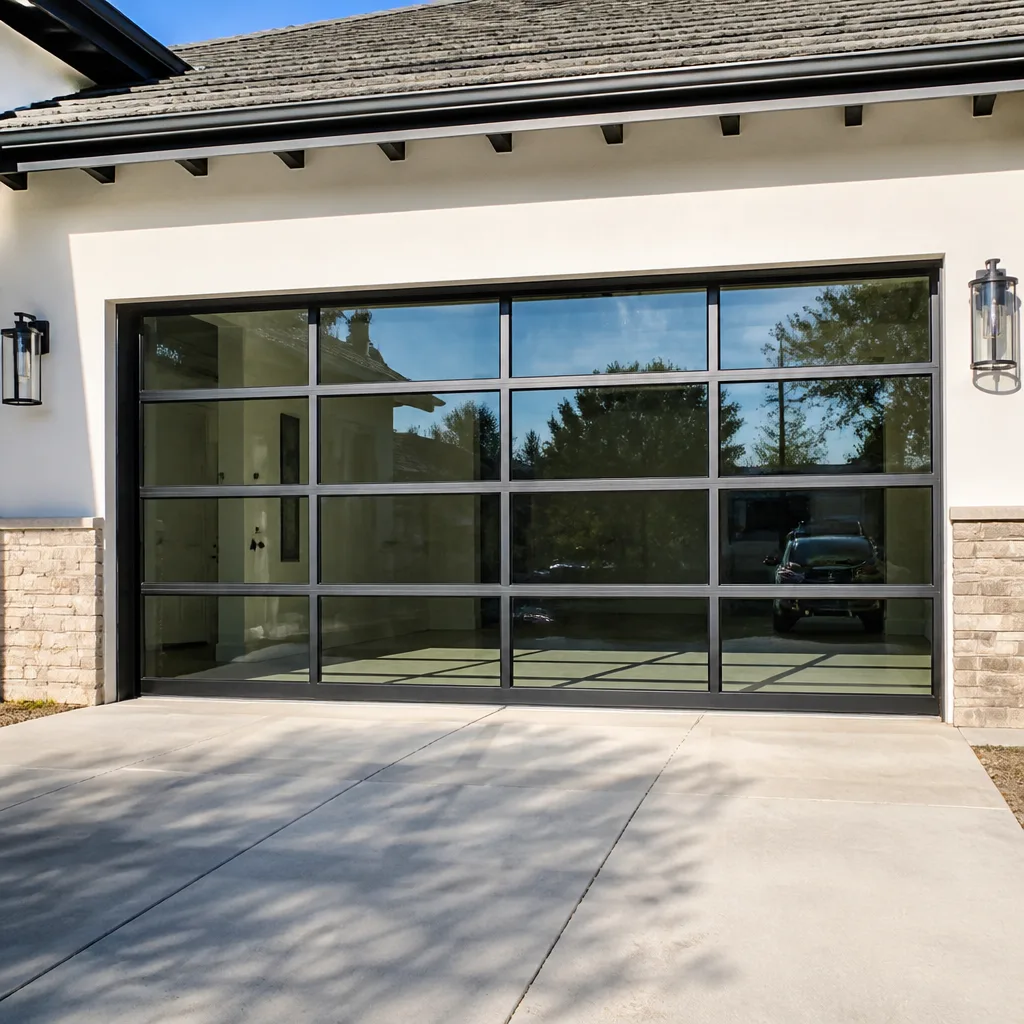 Full-view glass
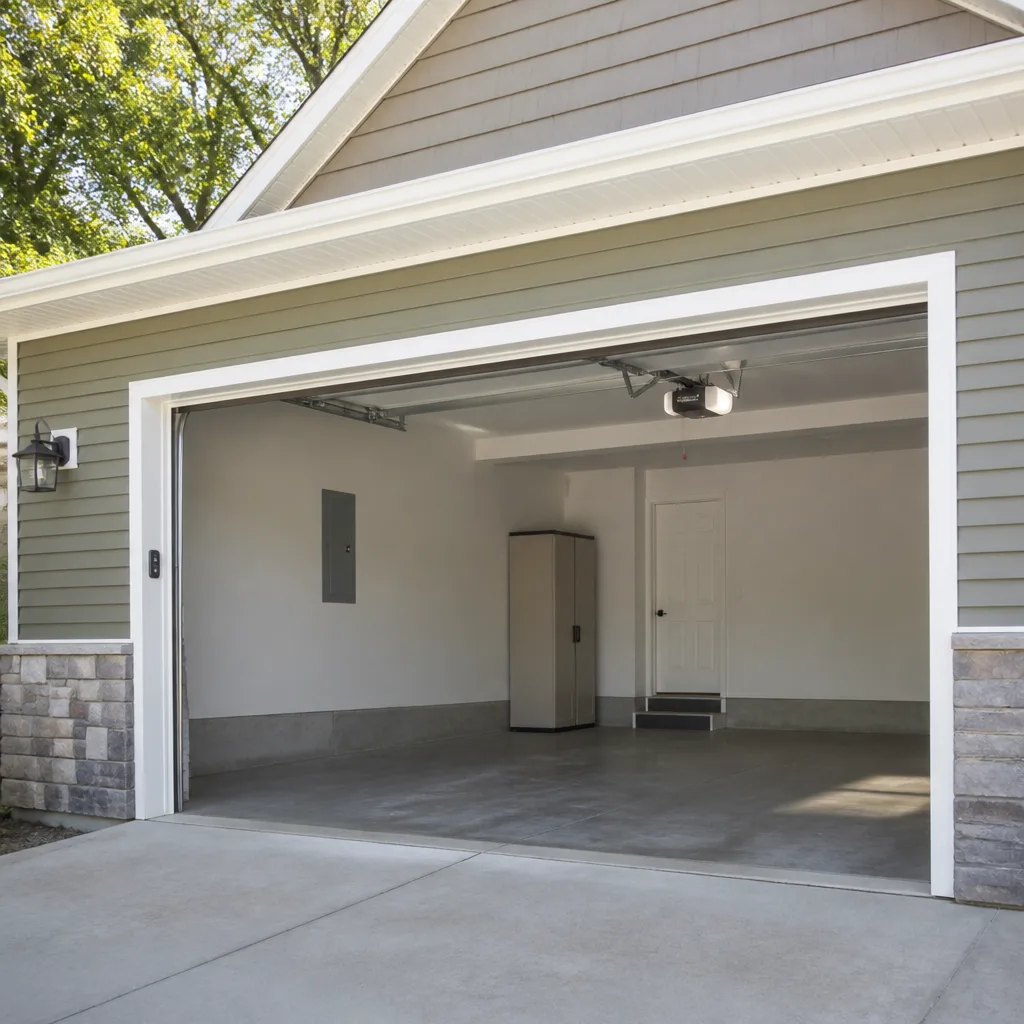 LiftMaster openers
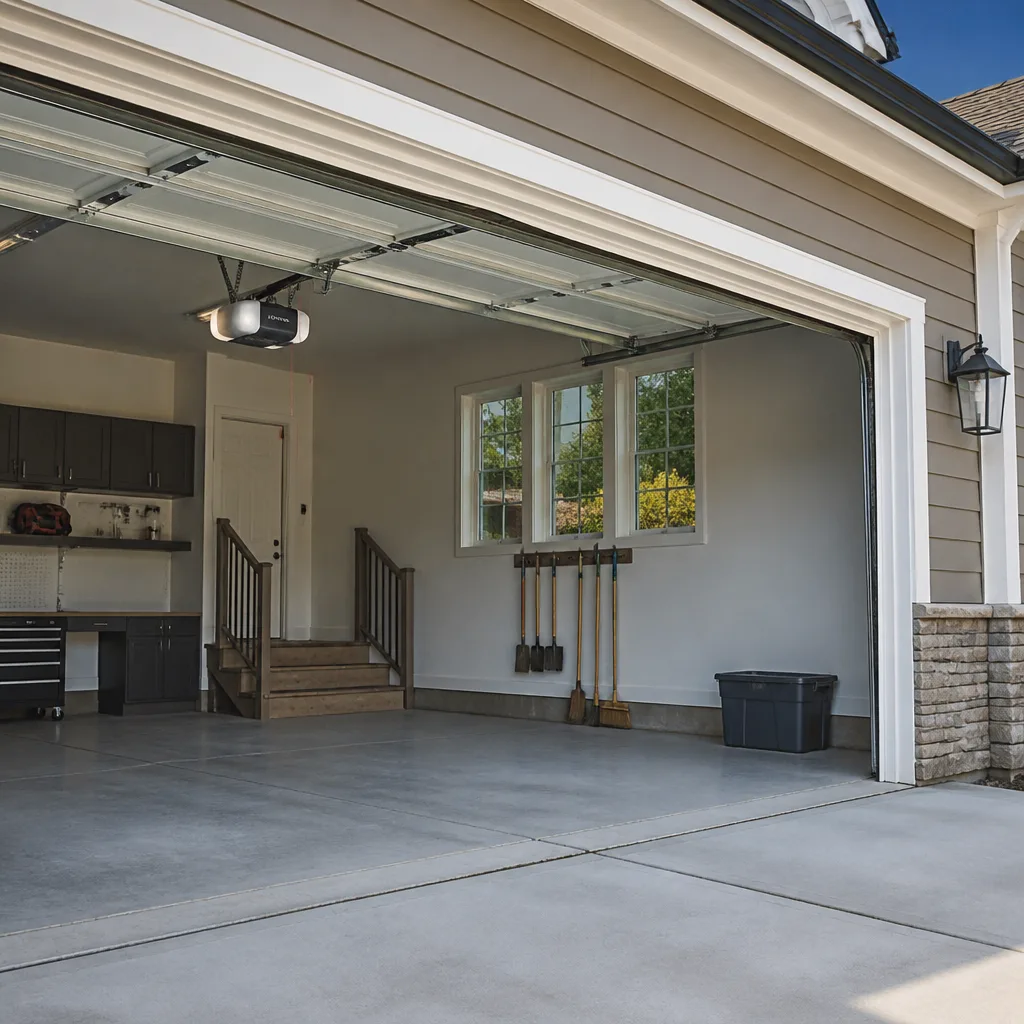 Chamberlain openers
Full 25-point door and opener safety check with every visit - springs, cables, rollers, tracks, and your LiftMaster or Chamberlain opener included
You get a price before we start. It does not change when the pro arrives.
Get your free estimateGarage Door Repair Troubleshooting in Capitol Hill: Common Problems and How to Fix Them
A door that reverses before it reaches the floor and a door that won’t move at all can look identical from the end of the driveway. They’re not. One is usually a sensor or travel-limit problem that takes minutes to correct. The other can be a broken torsion spring, a snapped cable, or a stripped opener gear, and the fix ranges from inexpensive to a real repair bill. The mistake most homeowners make is diagnosing the symptom (“my door won’t close”) instead of the system, so they call for the wrong fix or, worse, buy the wrong part. This guide is built to help you read your door’s behavior the way a technician does. By the end, you’ll know which of the five main components is failing, what’s safe to check yourself, and what should always go to a pro. We work on garage doors across Capitol Hill every week, and this is exactly how we think through a diagnosis.
Styles & brands we work with
- Raised-panel steel
- Carriage house
- Modern flush
- Full-view glass
- LiftMaster openers
- Chamberlain openers
Quick Answer
Most garage door problems in Capitol Hill trace to one of five components: the springs, the cables and drums, the opener, the sensors, or the door and track hardware. Reversing doors are usually sensor or travel-limit issues; doors that run but don’t lift usually point to a spring, cable, or opener drive problem; and grinding or sagging points to rollers, hinges, and track alignment. Reading the symptom against the component is how you call for the right fix the first time. Anything involving spring tension or cables should always go to a technician.
Table of Contents
- The Behavior-Based Diagnostic Framework
- Is It the Opener or the Door? Testing With the Manual Release
- Symptom-to-Component Map: What Each Behavior Tells You
- Capitol Hill Environmental Factors That Cause False Diagnoses
- Safe Checks You Can Do Yourself (and What to Leave Alone)
- What to Document Before You Call a Technician
- Common Mistakes to Avoid
- When to Call a Professional
The Behavior-Based Diagnostic Framework
Garage doors are simple machines with a handful of interdependent parts, and that’s what makes them diagnosable. A door is not one thing that breaks. It’s a counterweight system (springs), a lifting system (cables and drums), a power source (the opener), a safety system (sensors and limits), and a running surface (tracks, rollers, hinges, panels). When something fails, the door’s behavior almost always points at the specific component that gave out.
We teach homeowners to think of it as behavior first, part second. Before you touch anything, answer three questions:
- Does the door move at all? No movement when the opener runs usually means the door is disconnected, the opener drive is stripped, or something is bound up. Movement in the wrong direction or partial movement points elsewhere.
- Does it move partway and then stop or reverse? That’s a safety or limit issue almost every time; it rarely means a structural failure.
- Does it make an unusual sound? Grinding, snapping, and thumping are all different sounds with different explanations. Sound is data.
The whole point of this framework is that the symptom is a clue, not the diagnosis. A door that reverses may be a dirty sensor. A door that seems “weak” may have a spring that’s near the end of its life. A door that runs but never lifts may have a fully broken spring. Three different symptoms, three different components, and three different fixes. When you call Capitol Hill Garage Door Repair, describing the behavior rather than guessing at the cause is what lets us garage door repair jobs get diagnosed correctly the first time.
Is It the Opener or the Door? Testing With the Manual Release
The single most useful diagnostic step in garage door troubleshooting is usually skipped: the manual release. Almost every opener has a pull cord that disconnects the door from the opener’s drive, so you can move the door by hand. Learning to use it tells you immediately whether the problem is in the opener or in the door hardware. Every homeowner should know where that cord is; it’s the first thing a technician reaches for.
Here is the test, step by step:
- Pull the release cord. This disengages the opener’s carriage from the door.
- Lift the door by hand, about halfway. Lift slowly and with control. Don’t force it if it won’t move.
- Let it go gently. A properly balanced door should stay roughly where you leave it.
- Compare what you feel with what the opener does. If the door moves smoothly by hand but the opener can’t move it, the problem is the opener. If the door is heavy, binds, or won’t lift at all, the problem is in the door: springs, cables, or alignment.
Two things make this test genuinely useful. First, it isolates the two halves of the system, so you don’t replace an opener that’s fine or call for a spring job that isn’t needed. Second, it tells you what to describe on the phone. “My opener runs but the door doesn’t lift, and the door is heavy by hand” is a completely different call from “my opener sounds dead but the door lifts easily.”
One caution: if the door won’t lift by hand, don’t keep pulling on it. A door that’s too heavy or bound is telling you the counterweight system failed, and that’s not something to force. Re-engage the release cleanly before you walk away.
Symptom-to-Component Map: What Each Behavior Tells You
This table-style list maps common behaviors to the component most likely responsible, and roughly what the fix involves. It’s a starting point for the conversation, not a final diagnosis. But it stops you from calling a spring repair when you really have a sensor issue.
- Door reverses before hitting the floor. Most likely the safety sensors or a travel limit. Clean the sensor lenses, check for an obstruction in the beam, and look at the limit settings. Often a quick adjustment. Occasionally it’s a misaligned track forcing the door to bind and trip the safety reverse.
- Opener runs but door doesn’t move. Usually a disconnected door (release pulled by accident), a broken spring, or a stripped opener gear or drive. Check the release first, then look at spring condition.
- Loud bang, then door won’t lift. This is the classic broken torsion or extension spring. The door loses its counterweight and becomes extremely heavy. Stop using the door and schedule spring repair.
- Grinding or scraping as it moves. Worn rollers, dry hinges, or a track out of alignment. Sometimes debris in the track. Usually a hardware and lubrication issue.
- Door sags on one side or hangs unevenly. A stretched or broken cable, a worn drum, or a spring that’s lost tension. This is a cable/drum/spring problem and needs a technician.
- Door slams shut or doesn’t reverse. Safety reverse is failing. This is a safety-critical issue; don’t use the door until it’s checked.
- Opener hums but doesn’t move the door. Seized opener motor, stripped gear, or a bound door. The manual release test tells you which.
- Remote or wall control doesn’t work. Usually opener-side: remote batteries, radio interference, or a logic board problem. The opener itself moves fine by wall switch.
The pattern to notice: behavior maps to component, and component maps to a fix. In our experience, the homeowners who diagnose by behavior end up paying for the right repair the first time, instead of replacing parts that weren’t broken.
Capitol Hill Environmental Factors That Cause False Diagnoses
Some garage door problems aren’t really about the door at all. In Capitol Hill, two local conditions regularly mimic mechanical failures and send homeowners down the wrong path.
Alley-facing doors and wind tunnels. Many Capitol Hill homes have garages that open onto an alley between rowhouses, and that alley can funnel wind with real force. A gusty day can trip the safety reverse on a door that’s otherwise perfectly adjusted, because the wind is pushing against the closing door right where the sensor beam runs. It can also blow loose debris into the track. The symptom looks like a sensor or limit failure. The fix may just be a track cleaning and a small adjustment. The important thing is not to conclude the opener is failing based on a windy day.
Moisture from west-facing exposures. West-facing garage doors and walls take the afternoon weather. That moisture shows up as swollen wood at the door bottom, stiff rollers, and slightly rusted track hardware. A door that suddenly feels heavy or drags can have a moisture problem, not a spring problem. It’s a different repair. Treating a swollen bottom section or sticking roller as a broken spring is a common Capitol Hill misdiagnosis.
What this means in practice: before you decide a component has failed, check whether the door is in a wind channel, whether we’ve had a wet stretch, and whether the hardware has visible rust or swelling. Those local clues change the diagnosis, and they’re exactly the questions we ask when a Capitol Hill homeowner calls. When it’s genuinely the opener and not the environment, that’s a job for garage door opener repair, not a new opener.
Safe Checks You Can Do Yourself (and What to Leave Alone)
Some troubleshooting is genuinely safe for a homeowner with no training. Some of it is not, regardless of what a video makes it look like. Knowing the line between them is the most important thing this guide can tell you.
Safe to check yourself:
- Clean the safety sensor lenses and look for anything blocking the beam.
- Wipe out the tracks and remove obvious debris.
- Check the manual release and use it to test balance (as described above).
- Look at the springs for a visible gap, break, or hang. Do not touch.
- Check remote batteries and wall switch connections.
- Listen carefully and describe the sound accurately.
Not safe to do yourself, no matter what a tutorial says:
- Adjusting, tensioning, or replacing torsion springs. These carry very high stored energy and can cause serious injury in an instant.
- Replacing or re-spooling cables and drums. Same principle: stored force, and a wrong move can whip a cable free.
- Removing, straightening, or re-bending track under load.
- Any electrical work inside a wall-mounted opener, beyond a battery or bulb.
We say this as a garage door specialist: the spring and cable work that shows up in online videos is exactly the work that causes the most serious home injuries in this trade. That’s not a scare tactic; it’s how these forces behave. Only a trained technician with the right tools should touch tension springs or cable drums. Everything else on that safe list is fair game, and doing it correctly can save you a service call. Call (844) 625-7327 and we’ll help you figure out whether you actually need a visit. We answer 24/7.
What to Document Before You Call a Technician
Here is where homeowners can save real time. The single biggest reason a repair takes longer than it should is that the first visit turns into a diagnostic call instead of a repair call, and the right part isn’t there. That happens when the technician doesn’t know the door and opener make and model, or the failure doesn’t match what the homeowner described. A few minutes collecting details fixes this.
Before you call, write down or gather:
- The door make and model, if visible. Look for a sticker on the door panels or the inner frame. Clopay, Amarr, and Wayne Dalton doors are common in Capitol Hill, and knowing the brand helps us bring the right hardware.
- The opener make and model. It’s usually on the back or side of the motor unit. Genie is common; knowing the model tells us about the drive type and parts.
- The date the problem started. Was it sudden or gradual? Sudden is often mechanical failure; gradual is often wear.
- The exact behavior. Does the opener run? Does the door move at all? Does it reverse? Where does it stop?
- Any sound, described precisely. A bang, grinding, humming, or thumping each points somewhere different.
- The manual release result. Heavy, light, or binding tells us whether it’s the opener or the door.
- Whether the safety reverse works. Put an object under a closing door and see if it reverses. Don’t do this if the door is unsafe to operate.
Give us that list on the phone and we know what we’re walking into. That’s what lets a repair happen on the first visit rather than a diagnostic visit followed by a repair visit. And because we handle every brand you’re likely to have, plus parts supply in-house, you’re not waiting for a special-order. It’s a small amount of homework with a real payoff.
Common Mistakes to Avoid
- Buying a new opener before testing the door. Most “opener failures” that come into our calls are actually door-side problems: broken springs, bound tracks, sticky rollers. The manual release test sorts it out in two minutes; replacing an opener you didn’t need is a costlier mistake.
- Assuming a reversing door means the sensor is broken. In Capitol Hill, an alley wind channel can trip safety reverse on a healthy sensor. So can a slightly swollen or misaligned door. Clean the lens and check the track before you assume a part failed.
- Touching spring tension yourself. The most expensive and most dangerous mistake is deciding a video explained it well enough. Springs hold serious stored force. That work goes to a technician, always.
- Treating moisture damage as mechanical failure. Swollen wood at the bottom of a west-facing door and rusted rollers will make a door drag or feel heavy. Diagnosing it as a spring failure sends you toward the wrong repair. Look for moisture damage first.
- Forcing a door that won’t lift by hand. If it’s too heavy to lift, the counterweight system has failed. Pushing it, yanking it, or repeatedly running the opener grinds the mechanism and can bend panels.
- Cleaning the track with the wrong thing. Wiping tracks is fine, but greasing them attracts grit and grit is what wears rollers. Light cleaning, not grease, is the right move.
- Calling without the make and model. Skipping the details above is how a visit becomes two visits. The right part turns up on the first call when you describe the brand and the exact behavior.
- Ignoring a safety reverse failure. A door that won’t reverse when it hits an object is a safety problem, not a shortcut you can live with. Stop using it and get it checked.
When to Call a Professional
Some problems are worth a quick check and a phone call to confirm. Others should go straight to a professional, today. Call us when: the door won’t lift by hand or is suddenly very heavy (broken spring or cable); there’s been a loud bang and the door stopped working; the door sags, hangs unevenly, or pulls away from one side; the safety reverse fails; the opener hums or runs without moving the door after you’ve tested the release; or the door comes off track or strikes something. These are cases where the fix depends on stored force or alignment that’s beyond a safe homeowner adjustment, and where delaying can turn a simple repair into a bigger one.
If you’re in Capitol Hill, call to get it sorted. Dispatched crews operate 7am to 7pm, Sunday through Friday, and we’re closed Saturday. Capitol Hill Garage Door Repair offers free estimates in Capitol Hill. Call (844) 625-7327. We answer 24/7. Fast dispatch from 7am to 7pm. Have the details from the section above ready and we’ll know what to bring. Our technicians have up to 14 years of experience, and garage doors are all we do.
Frequently Asked Questions
Most garage door repairs in Capitol Hill fall into a few well-defined ranges, and the specific range depends on the component that failed. Sensor adjustments and hardware tweaks are the low end; spring repairs, cable work, and opener replacement are higher. The written estimate before any work starts is your price, and we don’t change it once the job is underway. Call (844) 625-7327 for an exact quote. Estimates are free.
Often yes. A door stuck open is a safety and security problem, and we treat it that way. Call (844) 625-7327 and describe the behavior and the make and model. If the door is holding open on a broken spring, don’t force it; we’ll get it stabilized safely. We answer 24/7. Fast dispatch from 7am to 7pm.
No. The written estimate you agree to before work starts is the price. We diagnose first, explain what’s wrong and what the fix is, and quote it. If the actual cause differs from what you described, we’ll explain the difference before we quote, not after. That’s the point of the behavior-based diagnosis this guide is built around.
The local professionals we connect you with are licensed and insured as their state requires. That matters most on the dangerous work, because spring repair and cable work carry the highest risk in this trade. Our technicians have up to 14 years of experience. Call for an estimate. Estimates are free.
Yes. We’re factory-familiar with eight of the leading brands, including LiftMaster, Chamberlain, Genie, Clopay, Amarr, Wayne Dalton, Craftsman, and Raynor. We work on the brand you already have, and we handle the parts supply directly, so you’re not waiting on a special order to finish the repair. If you’re unsure of your brand or model, we’ll help you identify it over the phone.
Clean the safety sensor lenses and check for anything in the beam’s path. That’s the most likely cause. If the door still reverses, look for a track obstruction or a door that’s binding unevenly. In Capitol Hill, a windy day in an alley channel can trip safety reverse on a healthy door, so rule out wind first. If it continues, call (844) 625-7327. Estimates are free.
Use the manual release. If the door lifts easily by hand but the opener doesn’t move it, it’s the opener. If the door is too heavy or won’t lift by hand, it’s the door: usually the springs, cables, or alignment. That one test tells you which half of the system to focus on, and it’s the single most useful thing you can do before you call. Call (844) 625-7327 with the result and we’ll know what to bring.
The Bottom Line
The trick to garage door troubleshooting is to stop diagnosing the symptom and start reading the behavior. A door that reverses is usually a safety or limit issue, a door that runs but doesn’t lift is usually a spring or opener drive, and a door that grinds or sags is usually hardware and track. In Capitol Hill, add wind tunnels and west-facing moisture to the picture, because both can mimic real mechanical failure. Use the manual release to split opener from door. Do the safe checks, leave the springs and cables to a technician, and bring the make, model, and exact behavior to the call. That’s how the right part shows up on the first visit. When you need us, garage door installation planning aside, a repair call is one phone call away.
Call (844) 625-7327 for a free estimate. We answer 24/7. Fast dispatch from 7am to 7pm, Sunday through Friday. Garage doors are all we do, and we’ll get your Capitol Hill door diagnosed correctly the first time.
Written by the team at Capitol Hill Garage Door Repair.
See the difference
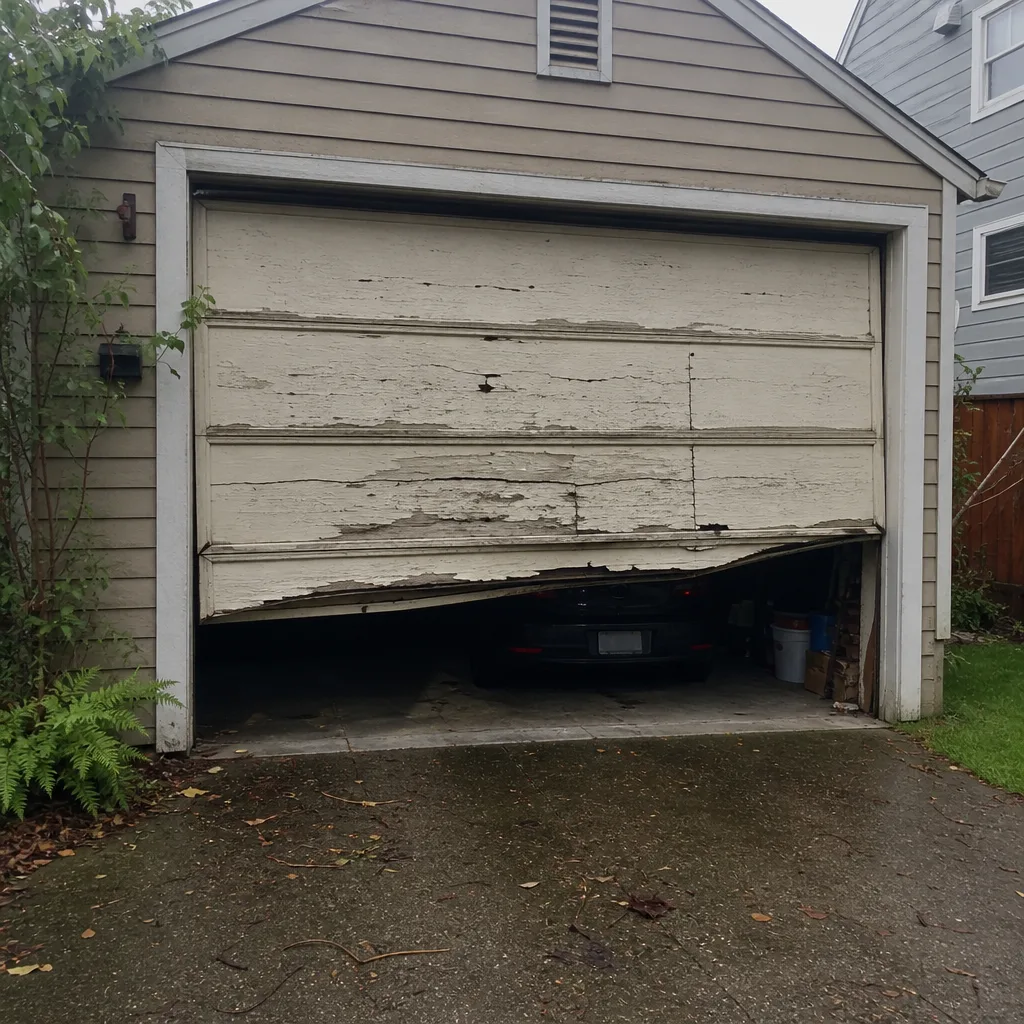 Before
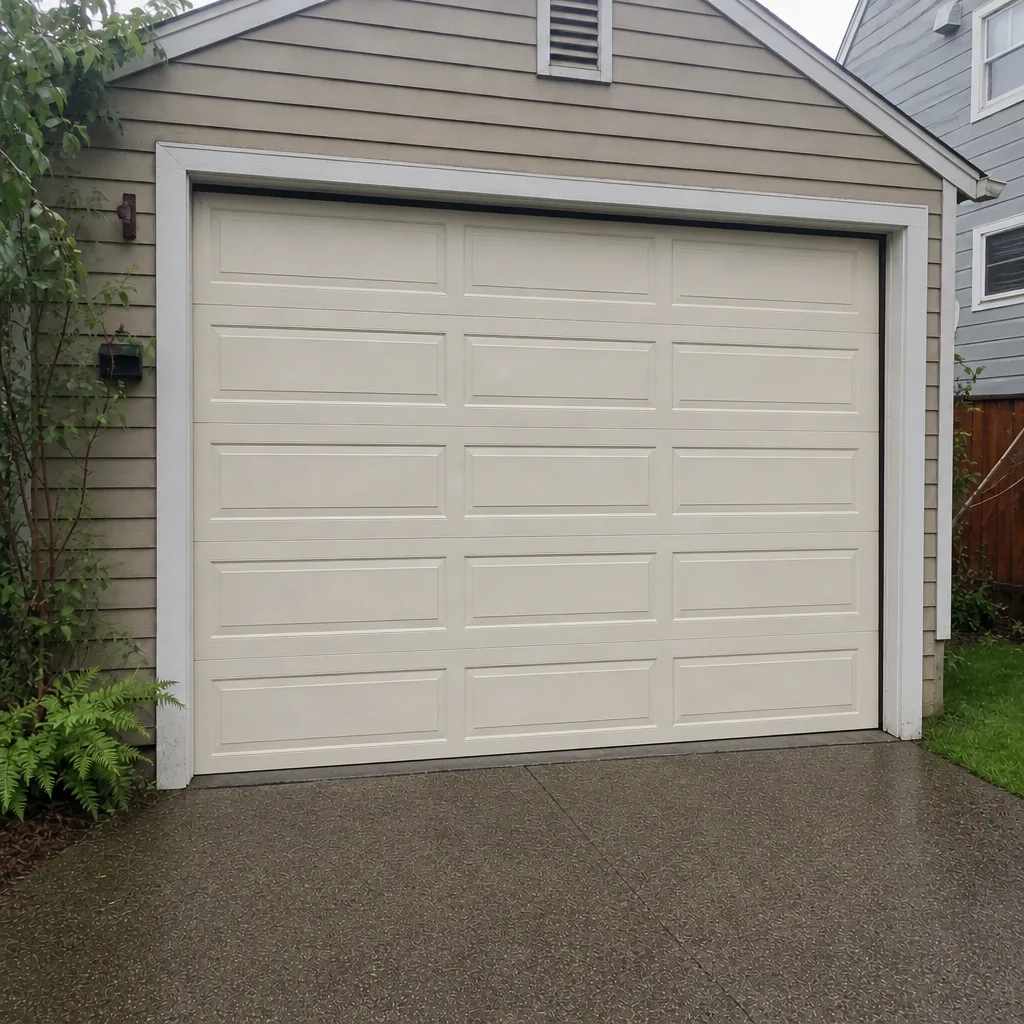 After
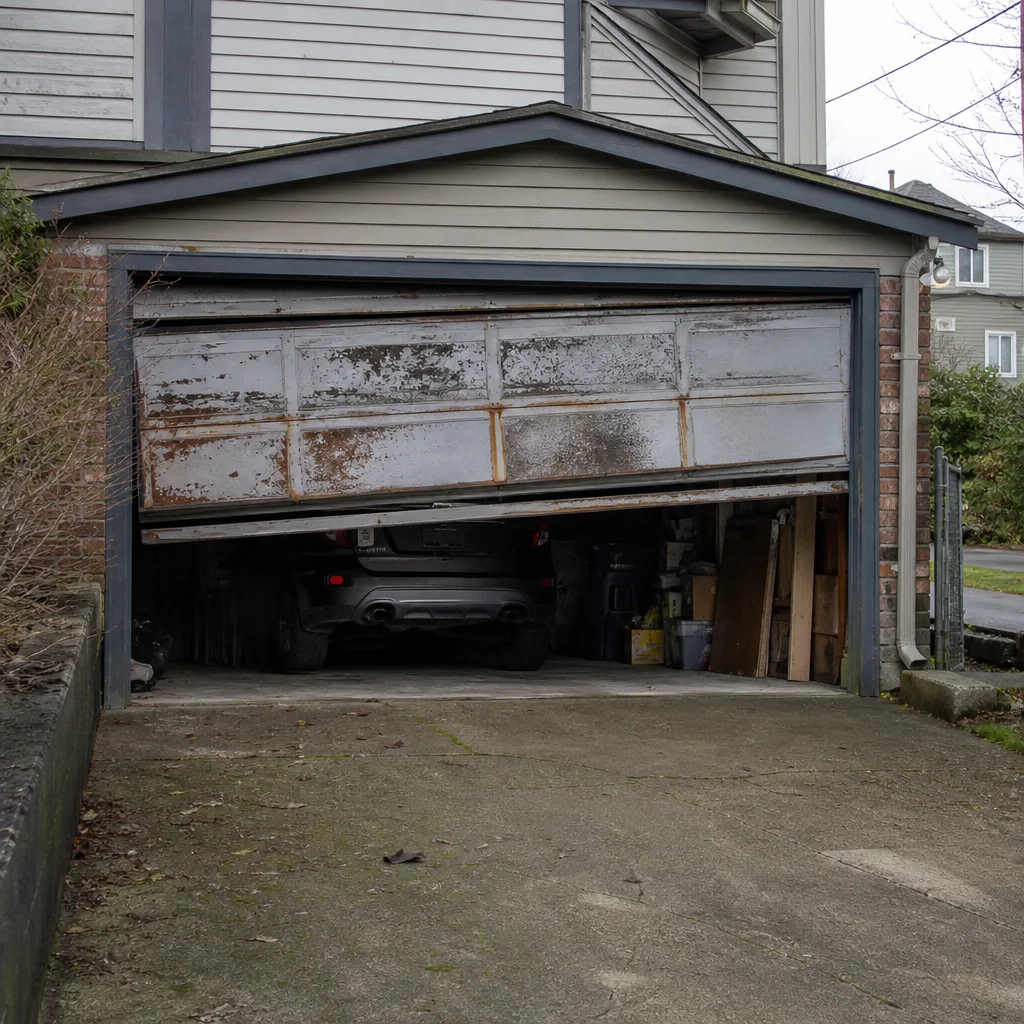 Before
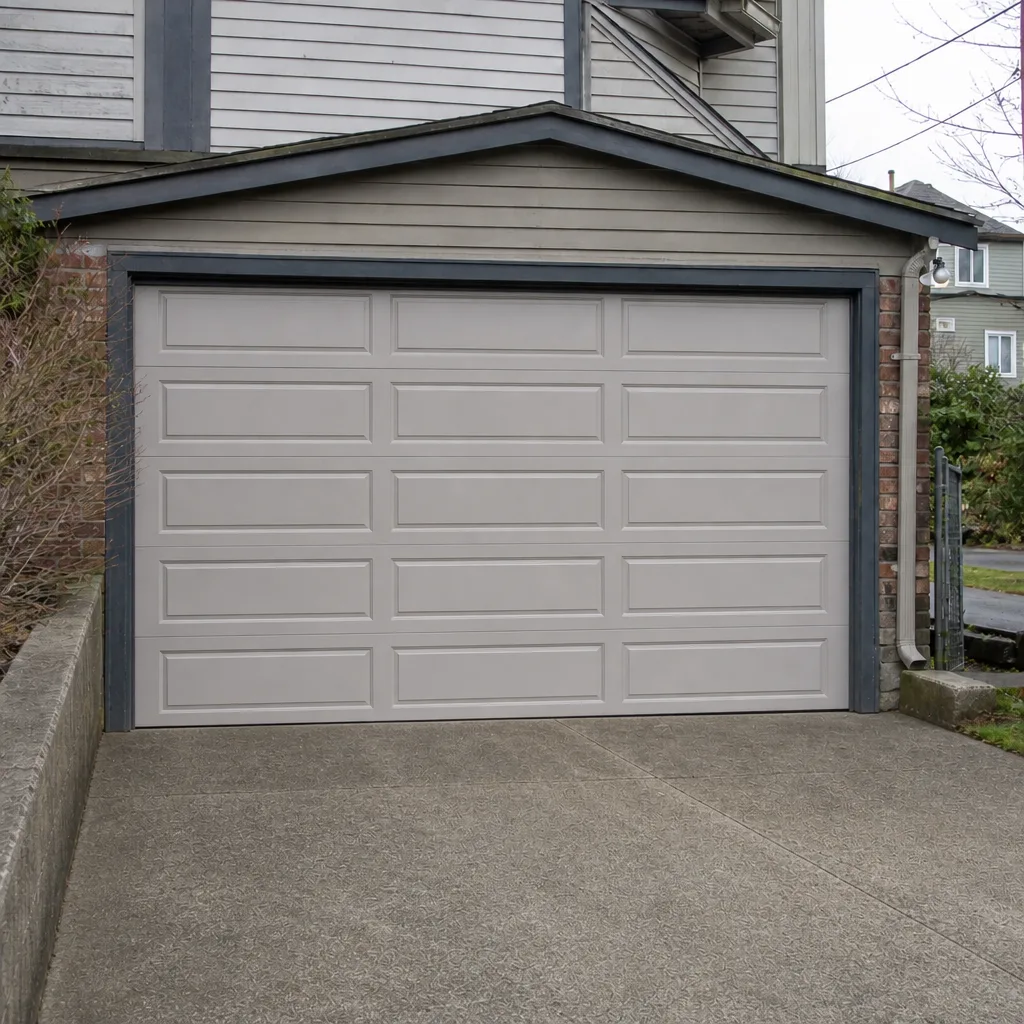 After
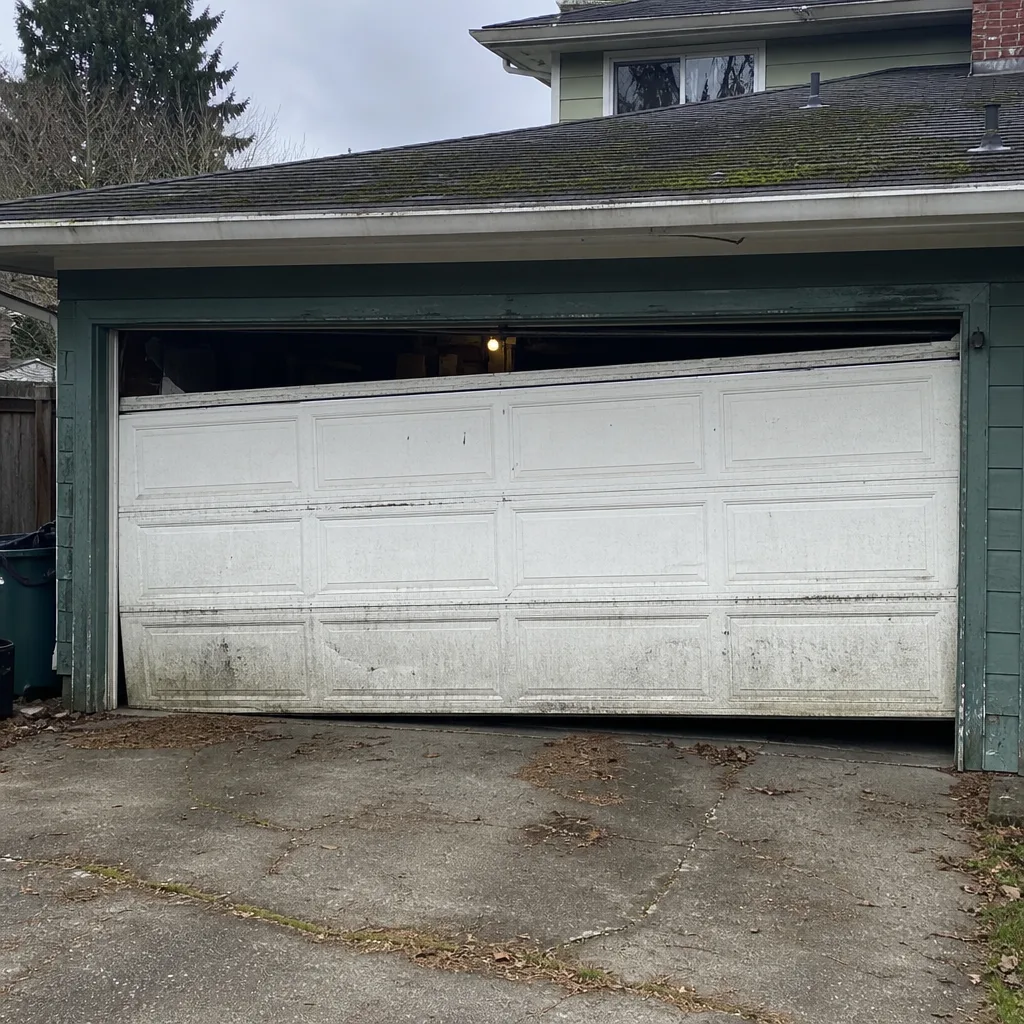 Before
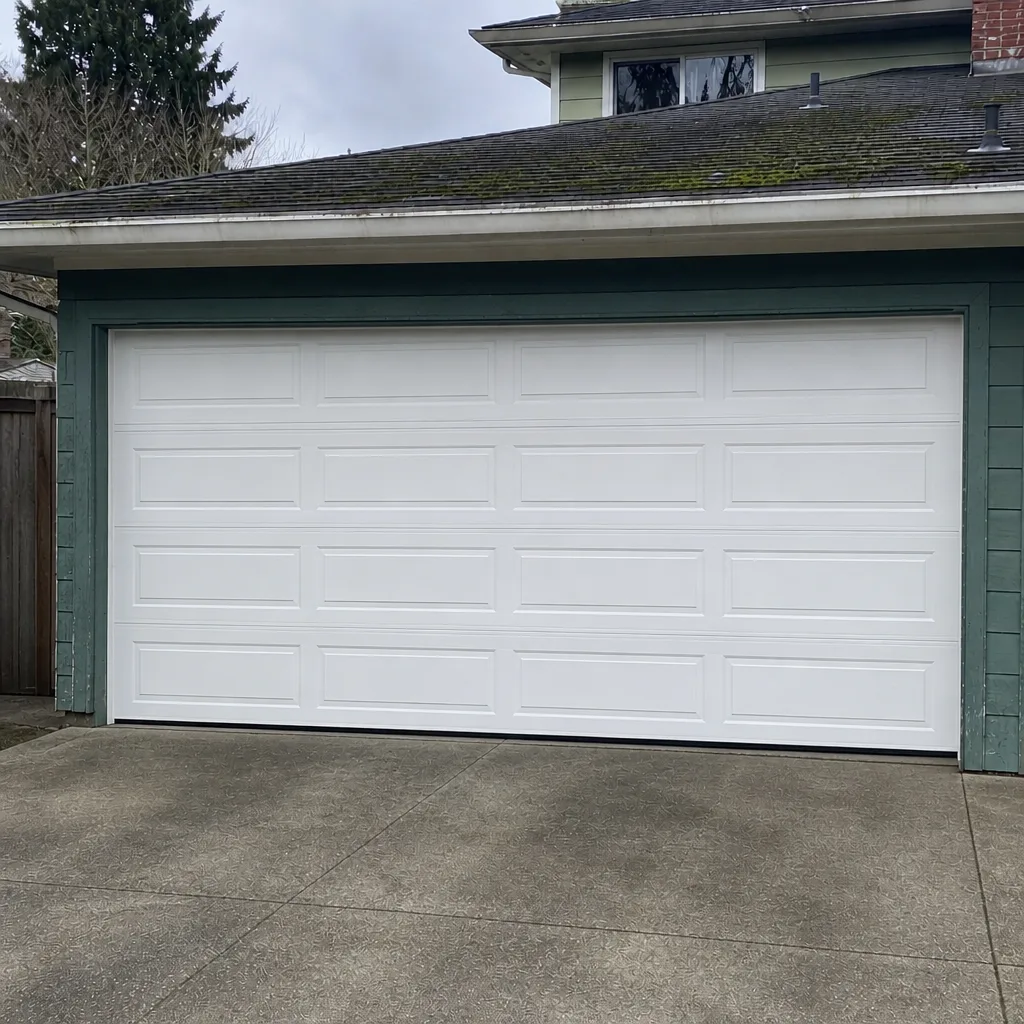 After