
Last updated November 23, 2026
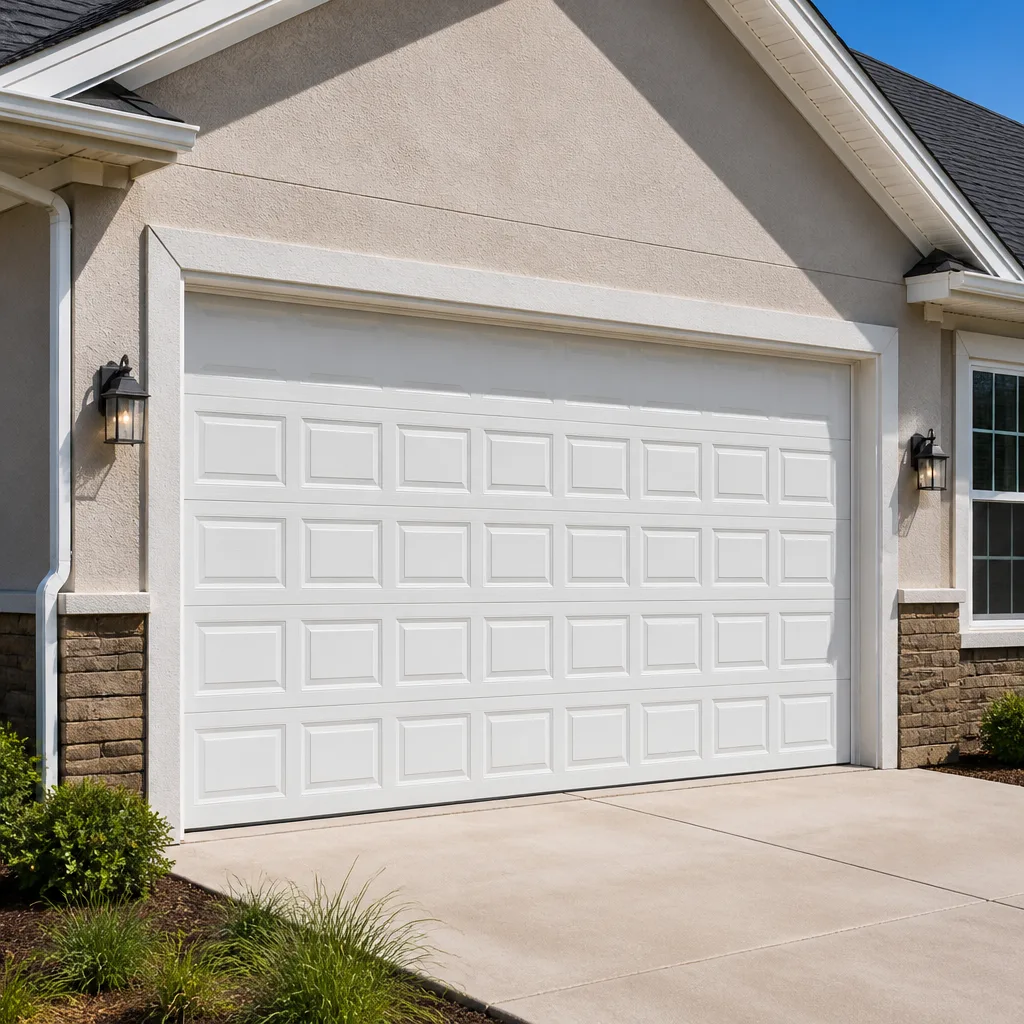 Raised-panel steel
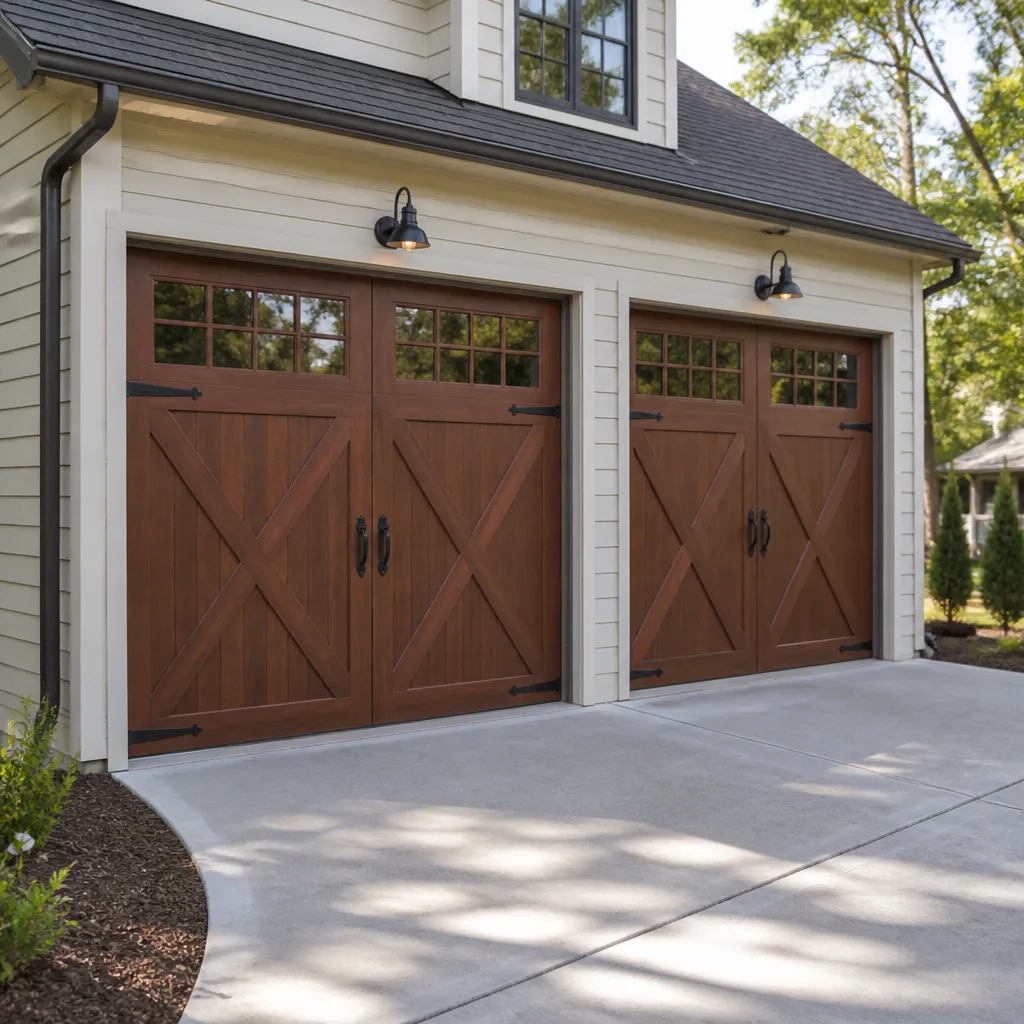 Carriage house
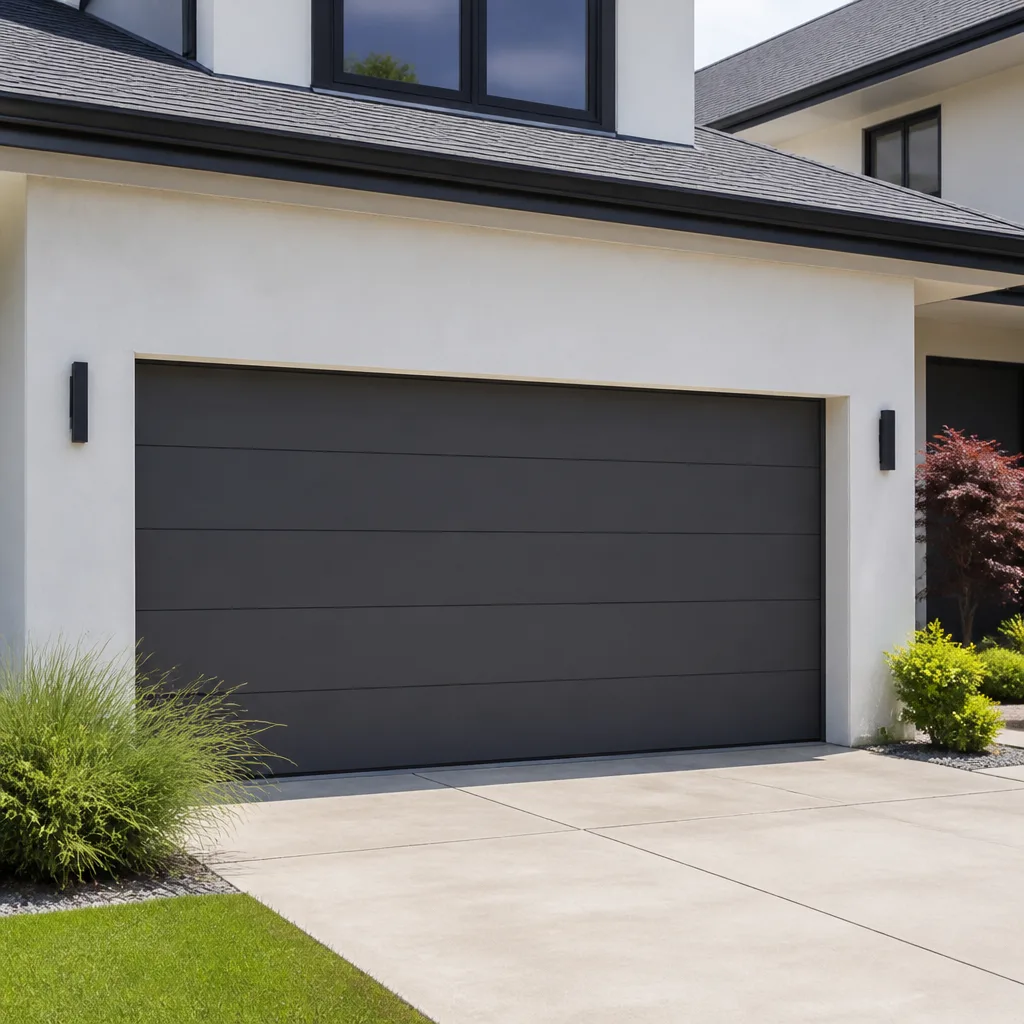 Modern flush
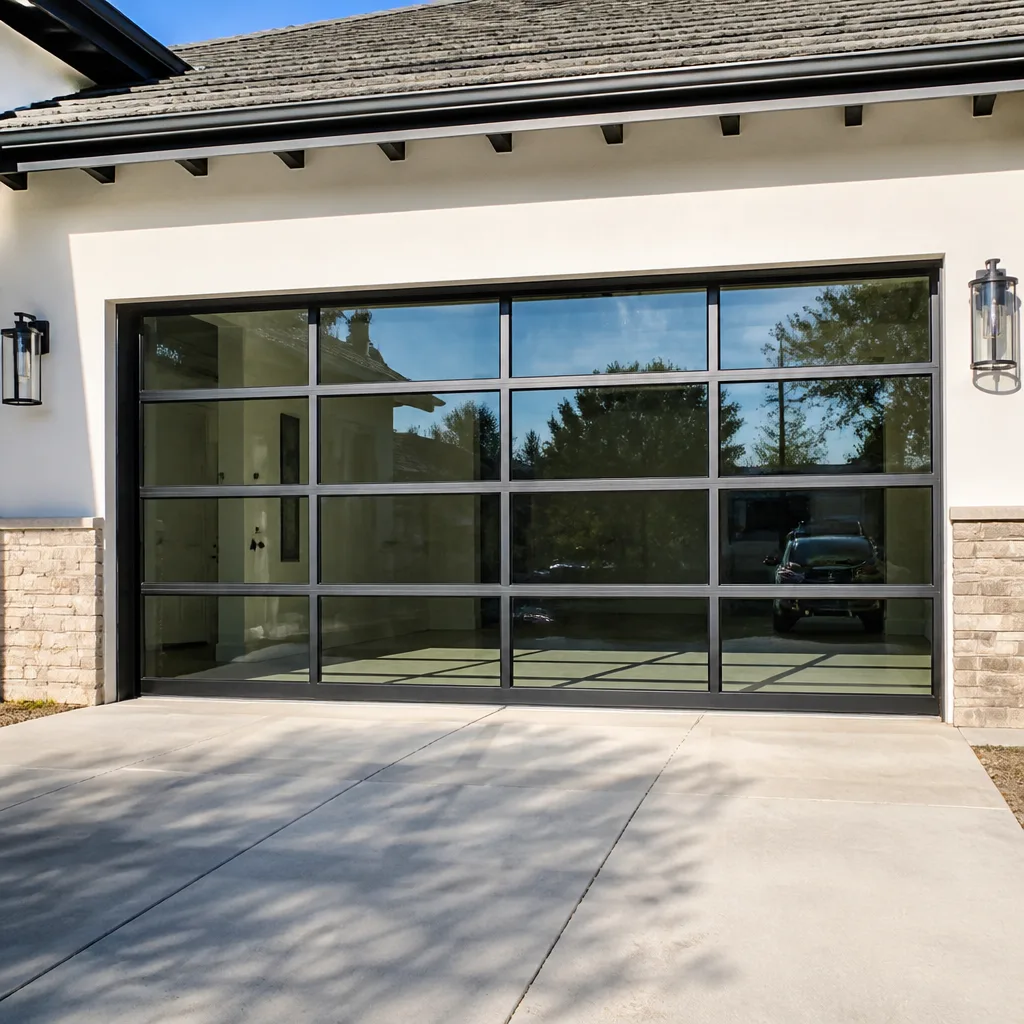 Full-view glass
 LiftMaster openers
 Chamberlain openers
Full 25-point door and opener safety check with every visit - springs, cables, rollers, tracks, and your LiftMaster or Chamberlain opener included
You get a price before we start. It does not change when the pro arrives.
Get your free estimateSeasonal Garage Door Care for Capitol Hill: Year-Round Homeowner’s Guide
Most garage door maintenance advice assumes four equal seasons. Capitol Hill doesn’t work that way. We get one long wet season, a short freeze window, a dry summer stretch, and a shoulder period where the temperature swings do more damage to hardware than either extreme. October is the highest-stakes month on the calendar: the first cold snap after a warm, dry summer triggers more spring and cable failures than any other single period of the year. This guide organizes care around that actual climate calendar, so you’re checking the right parts at the right time instead of following a generic spring-summer-fall-winter checklist.
Quick Answer
Seasonal garage door care in Capitol Hill means doing the heavy inspection in October before the rainy season, protecting the bottom seal and manual release before the January freeze, watching for UV wear on vinyl and painted steel during the dry summer, and clearing alley debris from tracks and sensors all fall. The tasks themselves are simple; the timing is what protects your door. Match your maintenance to the local calendar and most failures get caught while they’re still cheap to fix.
Styles & brands we work with
- Raised-panel steel
- Carriage house
- Modern flush
- Full-view glass
- LiftMaster openers
- Chamberlain openers
Table of Contents
- Why October Is the Highest-Stakes Month in Capitol Hill
- The Pre-Rainy-Season Inspection: What to Check Before the First Wet Stretch
- The January Freeze: Doors Frozen to the Ground and What Not to Do
- Summer Heat and UV: What 90°F Stretches Do to Vinyl and Painted Steel
- Why Spring Is the Wrong Time to Replace Bottom Seals in Seattle
- Alley Debris, Leaves, and Track Alignment in the Fall
- A Simple Monthly Walk-Around You Can Do in Five Minutes
- Brand Matters: What to Know About Your Door and Opener
Why October Is the Highest-Stakes Month in Capitol Hill
October is when Capitol Hill garage doors fail most often, and it’s not because of the rain itself. It’s the transition. After a warm, dry summer, metal contracts fast when the first genuinely cold night arrives. Springs that have been sitting under tension through months of heat lose a little of their strength without announcing it. Cables that have dried out and stiffened can snap when the door moves on that first cold morning. The wet season that follows makes everything worse, but the failures usually start in that first cold snap.
This is why we treat October as the real beginning of the maintenance year in Capitol Hill, not January. The goal is to find the parts that are already near the end of their life before the cold finishes them off. In our experience, the vast majority of “it broke overnight” calls in the fall trace back to hardware that was already showing wear in September.
What to prioritize in October:
- Springs and cables first. Look for gaps in a torsion spring, stretching or fraying on lift cables, and any door that suddenly feels heavier than it used to.
- Weather stripping and bottom seals. Check for cracking, flaking, or a seal that no longer touches the floor across its full width.
- Lubrication. Rollers, hinges, and the torsion bar benefit from a proper garage door lubricant before the wet months, not after.
- Drainage around the threshold. Water that pools at the base of the door in Capitol Hill finds its way into the seal and the bottom panel.
- Opener force and travel limits. A door that needs more force to close in cold weather is telling you something is binding.
If you’d rather have a trained eye catch those problems in October than discover them on a cold morning, that’s exactly what garage door repair visits are for. Catching a worn spring before it breaks is cheaper and simpler than dealing with a door stuck open in the rain.
The Pre-Rainy-Season Inspection: What to Check Before the First Wet Stretch
Before the first sustained wet period hits Capitol Hill, you want to walk the door and opener and confirm nothing is already marginal. The wet months don’t create problems so much as expose them, so this inspection is about finding weakness while it’s still fixable. Set aside twenty minutes and work top to bottom.
Here’s the order we recommend:
- Open and close the door once by hand (with the opener disconnected using the manual release). It should move smoothly and stay balanced at roughly the halfway point. A door that slams down or won’t hold its position points to spring trouble.
- Look up at the springs and cables from the floor. Never touch them. Note any gap in the spring coil, rust, or a cable that looks frayed or kinked at the drum.
- Check the bottom seal for splits and for daylight showing under the door. A failing seal lets water and cold air straight into the garage.
- Test the safety reverse by placing a solid object in the door’s path and confirming the door reverses on contact. Test the photo-eye sensors by blocking them and confirming the door won’t close.
- Clear the tracks of debris and confirm the door runs centered without rubbing.
- Lubricate the moving metal parts with a proper garage door lubricant, not general-purpose grease.
If anything on that list looks borderline in October, get it looked at before the wet season settles in. Waiting usually turns a small fix into a strand-you-in-the-driveway repair. For anything involving the springs or cables, stop at the inspection and call a professional. Those parts hold the entire weight of the door and are genuinely dangerous to handle.
The January Freeze: Doors Frozen to the Ground and What Not to Do
Capitol Hill’s freeze window is short, but it’s sharp. When temperatures drop below freezing and the bottom seal is wet, the rubber can freeze to the floor or to the concrete apron. The door won’t budge when the opener tries to lift it, and that’s the moment a lot of doors get damaged. The opener keeps pulling against a frozen seal and something has to give, usually a spring, a cable, or the opener’s gear assembly.
If your door is frozen to the ground, the wrong move is to hit the opener button again and hope. Also wrong: pulling hard on the door by hand while it’s still frozen, or forcing the manual release while the door is under tension. Here’s what to do instead.
- Don’t cycle the opener. Repeated attempts put load on parts that are already stressed.
- Free the seal gently. Warm water along the base of the door, never a flame or a heat gun close to the rubber, will usually release a frozen seal. Keep it controlled and don’t soak the mechanism.
- Use the manual release correctly. The red pull cord on the opener disconnects the door from the operator. Only use it when the door is fully closed and you intend to lift it by hand, and only if the door feels balanced. If the door is heavy or the springs are suspect, don’t lift it manually at all.
- Clear the threshold. Once freed, wipe the seal dry and clear any ice at the base so it doesn’t refreeze the same night.
- Test the door slowly before reconnecting the opener. If it feels heavy or binds, stop and call a professional.
A frozen seal is a nuisance. A frozen seal plus a strained opener is a repair. If your door is already stuck or making a strange noise after a cold snap, we can help. We answer 24/7, and same-day service is often possible for repair work. Call (844) 625-7327.
Summer Heat and UV: What 90°F Stretches Do to Vinyl and Painted Steel
Capitol Hill’s dry summer brings occasional stretches into the 90s, and those stretches do quiet, cumulative damage to door surfaces and moving parts. Vinyl and painted steel are the two most common door faces in the neighborhood, and both feel the heat differently. Vinyl expands and contracts more than steel, so a vinyl door can warp slightly at the panel edges and the weather stripping can dry out and crack faster. Painted steel doesn’t warp, but UV exposure breaks down the paint film, and once it dulls and chalks, the steel underneath is exposed to moisture for the rest of the year.
What to watch for during the hot months:
- Chalky, faded paint on steel doors. A quick wipe with a damp cloth that comes away white means the paint is breaking down. A fresh coat of exterior paint before the wet season protects the steel underneath.
- Vinyl panel edges that look wavy or no longer sit flush. Heat expansion can pull a panel slightly out of line.
- Weather stripping that feels hard, cracked, or brittle. Heat dries out the rubber and it stops sealing.
- Rollers and hinges that get squeaky in the heat. Dry metal gets noisier in the summer, and that’s a lubrication reminder.
- Opener strain on very hot days. If the door hesitates, the mechanism may be binding.
The summer stretch is also the best time to paint or touch up a steel door, because it has the longest dry weather to cure before the wet season. If your door is faded and the surface is already failing, it’s worth a look at whether it’s a touch-up job or a replacement. For a full assessment of what’s needed, garage door installation visits start with measuring the existing opening and giving you a written price for the options.
Why Spring Is the Wrong Time to Replace Bottom Seals in Seattle
Here’s the counterintuitive part. You’d think spring, with its mild weather, would be the ideal time to replace a worn bottom seal. In Capitol Hill and across Seattle, it’s the worst window. Spring here is wet and the ground stays saturated well into the season. A fresh bottom seal needs a few dry days to seat properly against the floor and cure if adhesive is used. Replace it during a wet stretch and the moisture gets trapped, the seal doesn’t bond or seat cleanly, and you’re back to a leaky, poorly sealing door before summer is out. The wet floor makes a clean job nearly impossible.
The right window is the late-summer or early-fall dry stretch, before the rainy season starts. That gives the seal dry, stable conditions to seat correctly and puts a good seal in place just as the wet months arrive. If you’re replacing the seal in the fall, pair it with a check of the bottom panel and the weather stripping along the sides and top, since the same moisture that attacks the bottom eventually works on the rest of the door’s edges.
The seal is one of the cheapest parts on the door and one of the most important for keeping water, cold air, and insects out of the garage. A good seal also takes load off the opener, because the door closes against a consistent surface instead of dragging. If you’re unsure whether a seal needs replacing, the daylight test tells you a lot: if you can see light under the closed door, it’s time.
Alley Debris, Leaves, and Track Alignment in the Fall
Capitol Hill has a lot of alley-facing garages, and that’s where a very local maintenance problem shows up every fall. Leaves, fir needles, and general alley debris blow against the door and into the track channels. Wet leaves get compacted in the tracks and dry into a crust. That crust changes the alignment the rollers run on. The door starts to drag, then to bind, and eventually to come off the track. Leaves also trip photo-eye sensors, which is why so many doors in the fall refuse to close.
The fix is repetitive but simple:
- Clear the tracks of debris every week during heavy leaf fall. Use a brush or vacuum, not a blower pointed straight at the sensors.
- Wipe the photo-eye lenses clean. A leaf or a smear of wet debris on the sensor lens is the most common “door won’t close” cause in the fall.
- Clear the path to the sensors of anything that can blow into the beam: stacked yard debris, bags, loose objects near the door.
- Sweep the alley side of the door and the apron so wet leaves don’t sit against the bottom seal.
- Check track alignment if the door starts binding. A slightly bent track usually needs a professional to realign, especially on a door with torsion springs.
If your door in Capitol Hill starts to hesitate, drag, or refuse to close in the fall, the sensors and tracks are the first things to check. If clearing them doesn’t solve it, garage door opener repair visits sort out the sensor and opener side of the problem rather than guessing at the door.
A Simple Monthly Walk-Around You Can Do in Five Minutes
You don’t need a full inspection every month, but a five-minute walk-around catches most of what matters. Do this once a month, year-round, and you’ll spot wear before the seasons turn it into a breakdown. Here’s the routine we recommend to Capitol Hill homeowners.
- Listen. Open and close the door once. New noises (squeaks, grinding, rattles) are your earliest warning.
- Look under the door. Daylight at the bottom means the seal is failing.
- Test the safety reverse. Place an object in the path and confirm the door reverses. Test the photo-eye sensors the same way.
- Wipe the sensors. A quick pass on each lens keeps the safety system reliable.
- Check the tracks. look for debris, dents, or anything the rollers are catching on.
- Glance at springs and cables from the floor. A visual check only. Never touch them.
Keep a note of when the door was last lubricated and when any part was repaired. That record helps when something does go wrong, and it stops small issues from being forgotten. Years of experience on our team, up to 14 on the most experienced technicians, has convinced us the monthly walk-around plus the October inspection catches more problems than any other habit.
Brand Matters: What to Know About Your Door and Opener
The brand on your door and opener tells you a lot about what parts it needs and how it behaves in Capitol Hill’s seasons. A Genie or Chamberlain opener has its own logic for force limits and safety reverse, and a Clopay or Amarr door has its own panel and seal system. Knowing what you have makes seasonal care simpler and stops the wrong part from being ordered or fitted.
If you don’t know your brand, look for the label on the opener motor housing or the inside face of a door panel. If you can’t find it, a photo usually tells a specialist what they’re looking at. We work on the brand you already have, and our familiarity with LiftMaster, Chamberlain, Genie, Clopay, Amarr, Wayne Dalton, Craftsman, and Raynor covers the vast majority of doors and openers in Capitol Hill and beyond.
Parts availability matters too. When a part needs replacing, the right part is what makes the repair last. We stock and supply garage door components directly, which is why we’re not telling you to wait on an order or accept a workaround. Garage doors are all we do, so a seasonal repair gets the correct component rather than whatever’s closest to hand. That’s the difference between a repair that holds through the next wet season and one that fails again in the fall.
Common Mistakes to Avoid
- Waiting until the door breaks in October. The first cold snap after a warm summer is when wear shows up. Inspect in early October and you’ll catch most of it before the wet season.
- Replacing the bottom seal in spring. Spring is wet in Capitol Hill and the ground stays saturated. A seal replaced in the rain doesn’t seat properly. Wait for the late-summer dry stretch.
- Forcing a frozen door. If the door is stuck to the ground in January, don’t cycle the opener or yank it by hand. Free the seal gently and check the manual release.
- Letting alley leaves pile up against the door. Wet, compacted leaves in the tracks and against the seal are the biggest cause of fall failures in Capitol Hill garages.
- Ignoring chalky paint on a steel door. UV breaks down the paint film on a hot summer. A fresh coat before the wet season protects the steel underneath.
- Touching the springs or cables yourself. These parts hold the entire weight of the door. A visual check is fine. An adjustment or a replacement is a professional job.
- Greasing the tracks or the spring. Tracks and springs should stay clean and dry. Lubricate the moving metal parts, not the tracks, and use a garage door lubricant.
See the difference
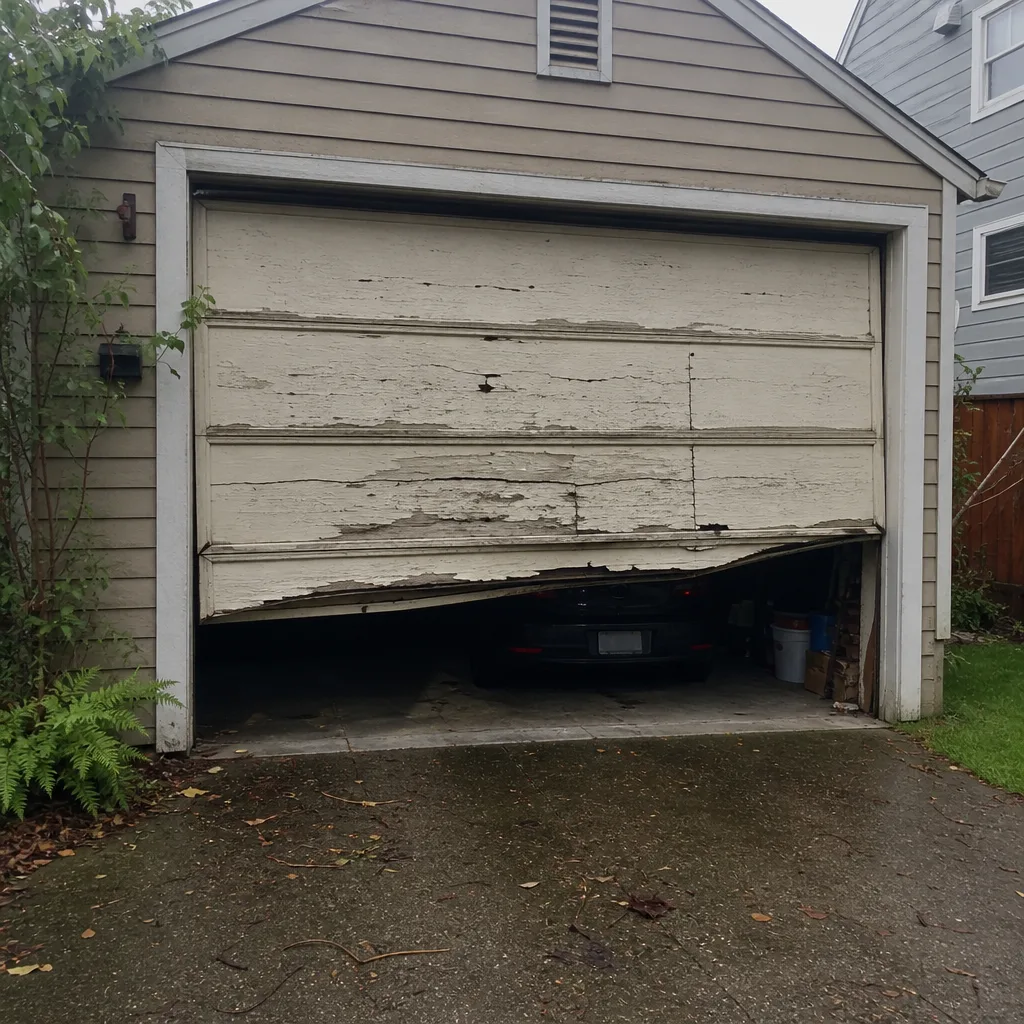 Before
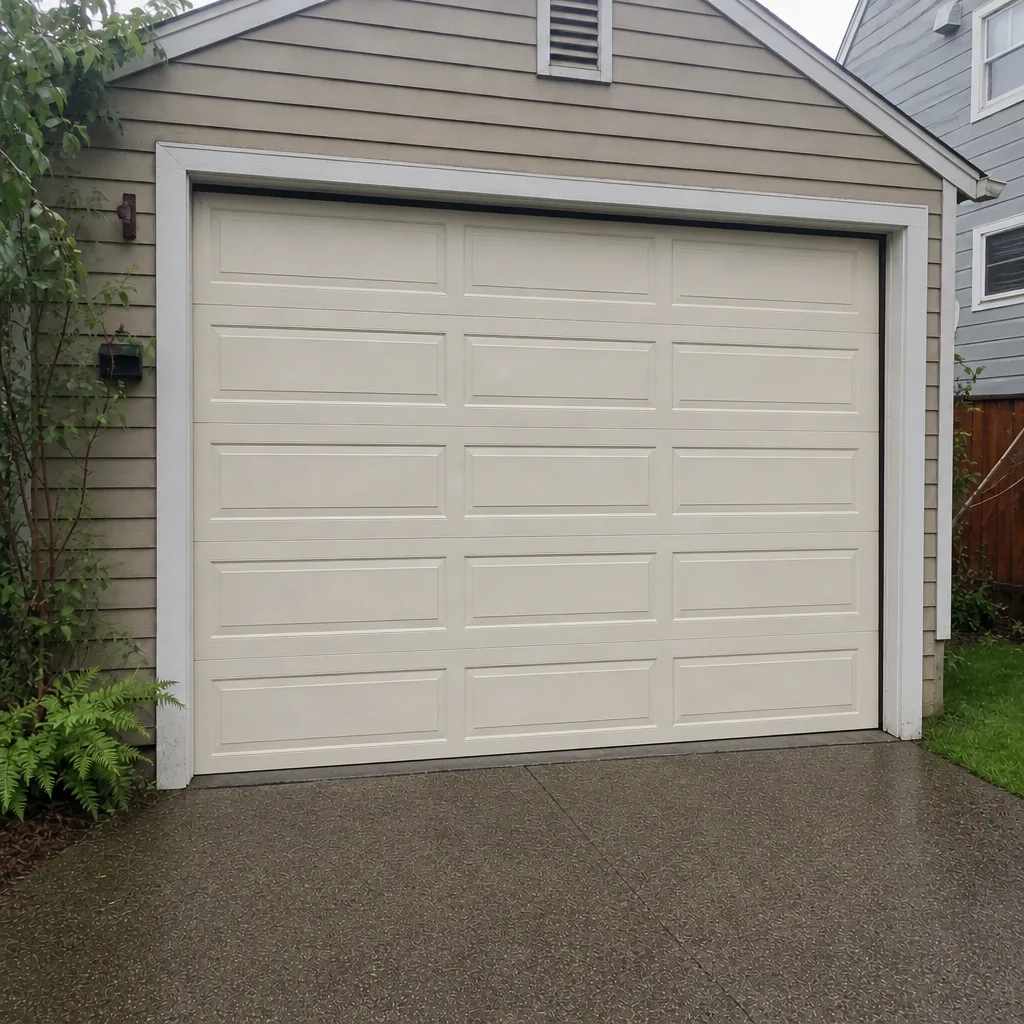 After
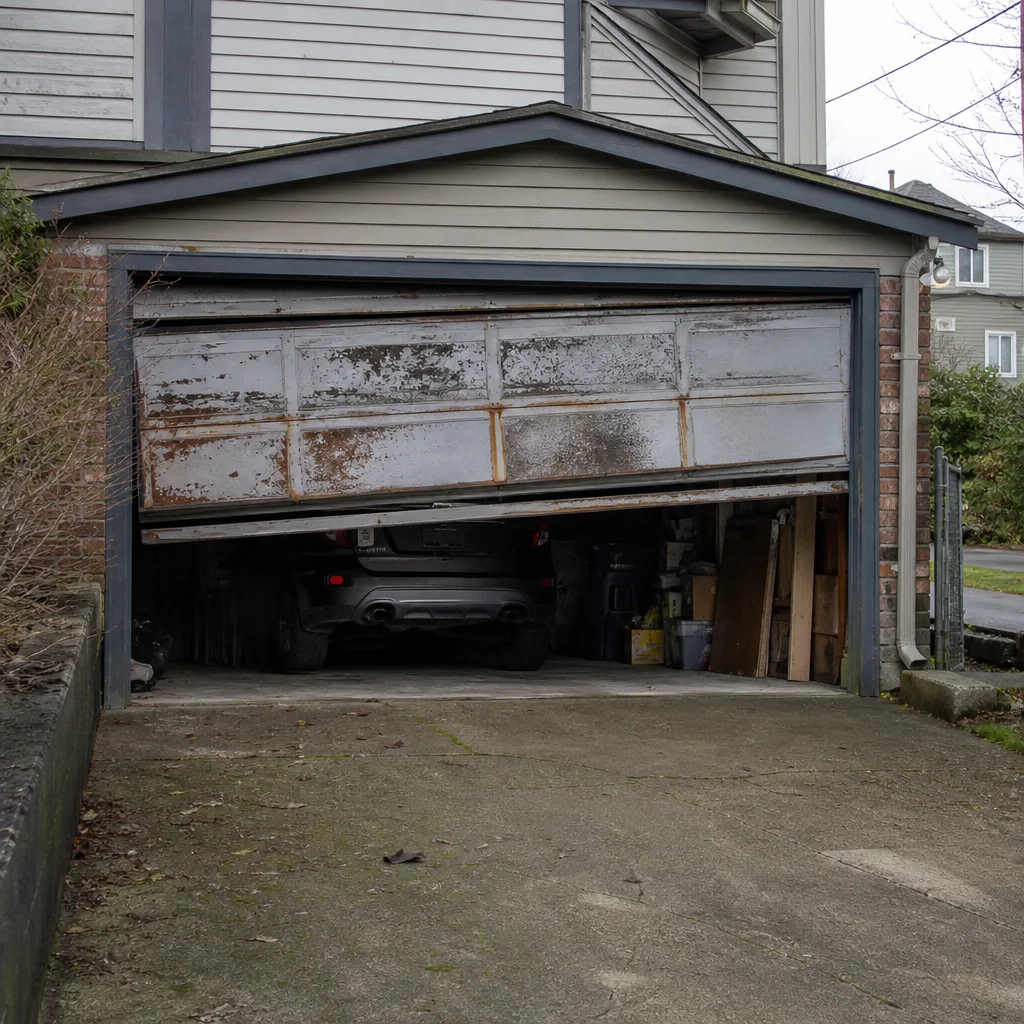 Before
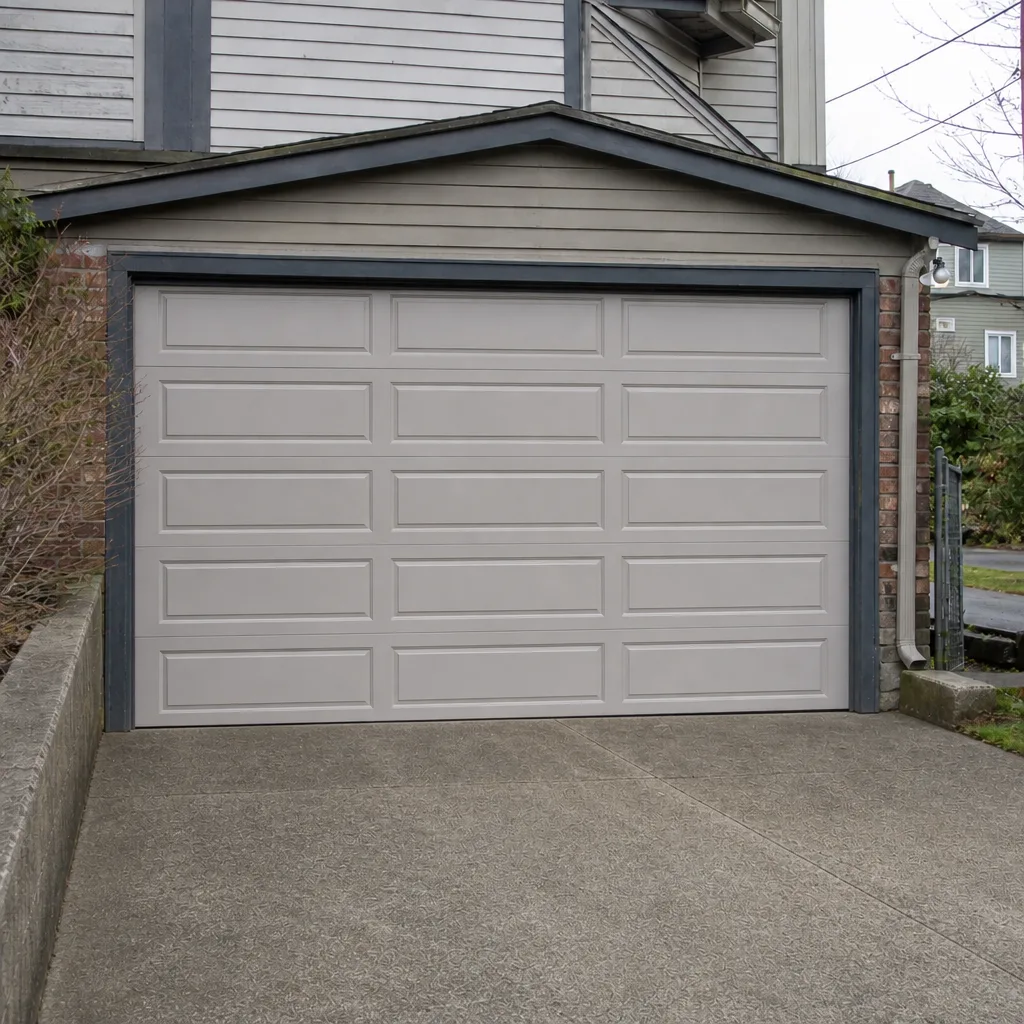 After
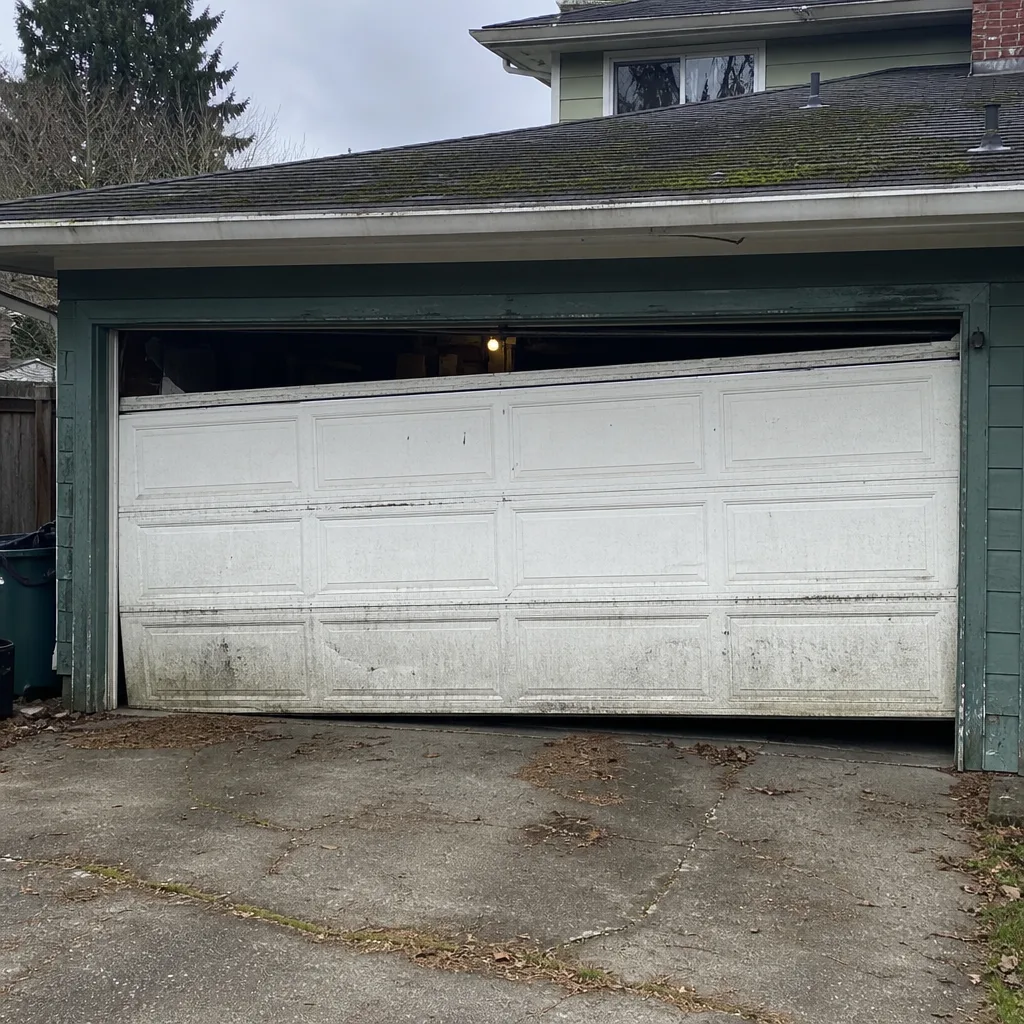 Before
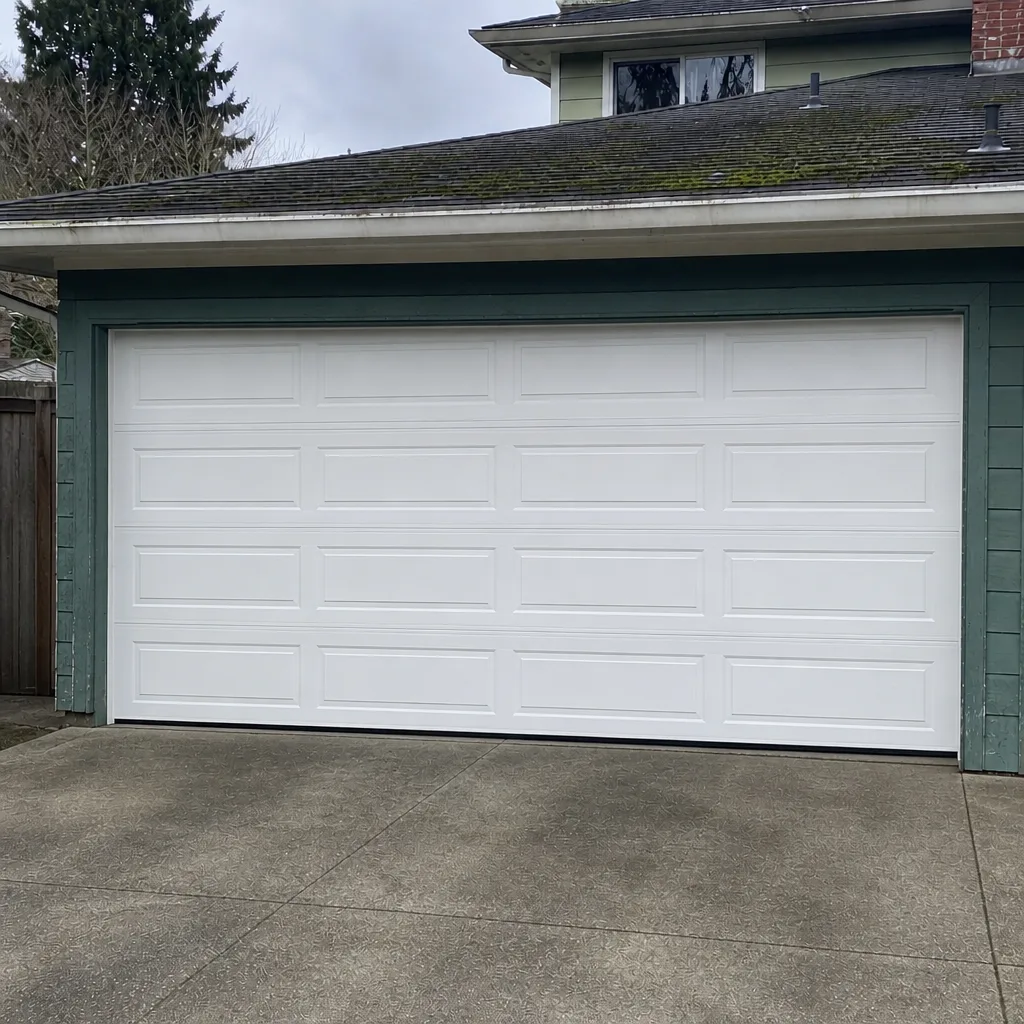 After
When to Call a Professional
Call a professional the moment the door involves springs, cables, or anything that holds the door’s weight. A broken spring, a door that slams down, a cable that looks frayed, or a door that won’t move at all: those are stop-and-call moments. Also call if the safety reverse or the photo-eye sensors fail the monthly test, if the door runs unevenly, or if you’ve cleared the tracks and sensors and it still won’t close. Seasonal maintenance on a healthy door is a homeowner job. Anything involving the tension and balance of the door isn’t.
Capitol Hill Garage Door Repair offers free estimates in Capitol Hill. Our technicians have up to 14 years of experience, and spring repair is handled in-house. Call (844) 625-7327. We answer 24/7. Fast dispatch from 7am to 7pm, Sunday through Friday.
Frequently Asked Questions
October is the best time for the big annual inspection in Capitol Hill, because the first cold snap after a warm summer is when springs and cables are most likely to fail. Do the walk-around monthly, do the full inspection in October before the wet season, and keep the tracks and sensors clear during fall leaf drop. Seal and paint work is best in the late-summer dry stretch, not in spring.
Fallures cluster in October because of the temperature transition. After a warm, dry summer, the first genuinely cold night causes metal to contract quickly. Springs that have weakened quietly and cables that have dried out and stiffened can fail on that first cold morning. Wet weather that follows makes it worse, but the trigger is the cold snap.
Don’t cycle the opener and don’t force the door by hand. Warm water along the base of the door usually releases a frozen seal gently, and once freed you should wipe it dry and clear the ice so it doesn’t refreeze. If the door feels heavy or binds after freeing, call a professional rather than lifting it yourself. For anything involving springs, keep it to a visual check.
The timing of the work doesn’t change the price, but doing the work in the right window prevents more expensive repairs. A seal replaced in the late-summer dry stretch seats properly; one replaced in a wet spring may not, which means doing it again. An October inspection catches a worn spring before it breaks, which is cheaper than the damage a broken spring can do to the door and opener. For an exact figure, call (844) 625-7327 for a free estimate.
Lubricate the moving metal parts (rollers, hinges, the torsion bar) about twice a year, and more often if the door gets noisier. The best times are in the fall before the wet season, and again in the summer when heat dries the metal out. Use a proper garage door lubricant, not general-purpose grease, and keep the tracks clean and dry.
Yes. A seasonal visit can inspect springs and cables, test the safety reverse and photo-eye sensors, check the seal, and confirm the door is balanced and lubricated. It’s a good way to catch wear before it becomes a breakdown. Estimates are free and same-day service is often possible for repairs. Call (844) 625-7327 to book a visit; our team is experienced across all eight major garage door brands.
The Bottom Line
Capitol Hill’s garage door calendar isn’t four even seasons. It’s an October inspection that catches wear before the cold snap finishes it, a January freeze that punishes a wet bottom seal, a dry summer that fades paint and dries out rubber, and a fall leaf drop that clogs tracks and trips sensors. Match your maintenance to that calendar and most failures get caught early. Do the five-minute monthly walk-around, inspect in October, handle seal and paint work in the dry stretch, and never touch a spring or cable yourself. The rest is simple, and it protects the one moving system in your garage that holds real weight.
If you’re not sure what to check first, or your door has already started to fail, we can help. Capitol Hill Garage Door Repair handles the full scope of garage door work, from broken springs to full installation, on the brand you already have. Our technicians have up to 14 years of experience, and spring repair is handled in-house. Call (844) 625-7327 for a free estimate. We answer 24/7. Fast dispatch from 7am to 7pm, Sunday through Friday.
Written by the team at Capitol Hill Garage Door Repair.