
Last updated November 23, 2026
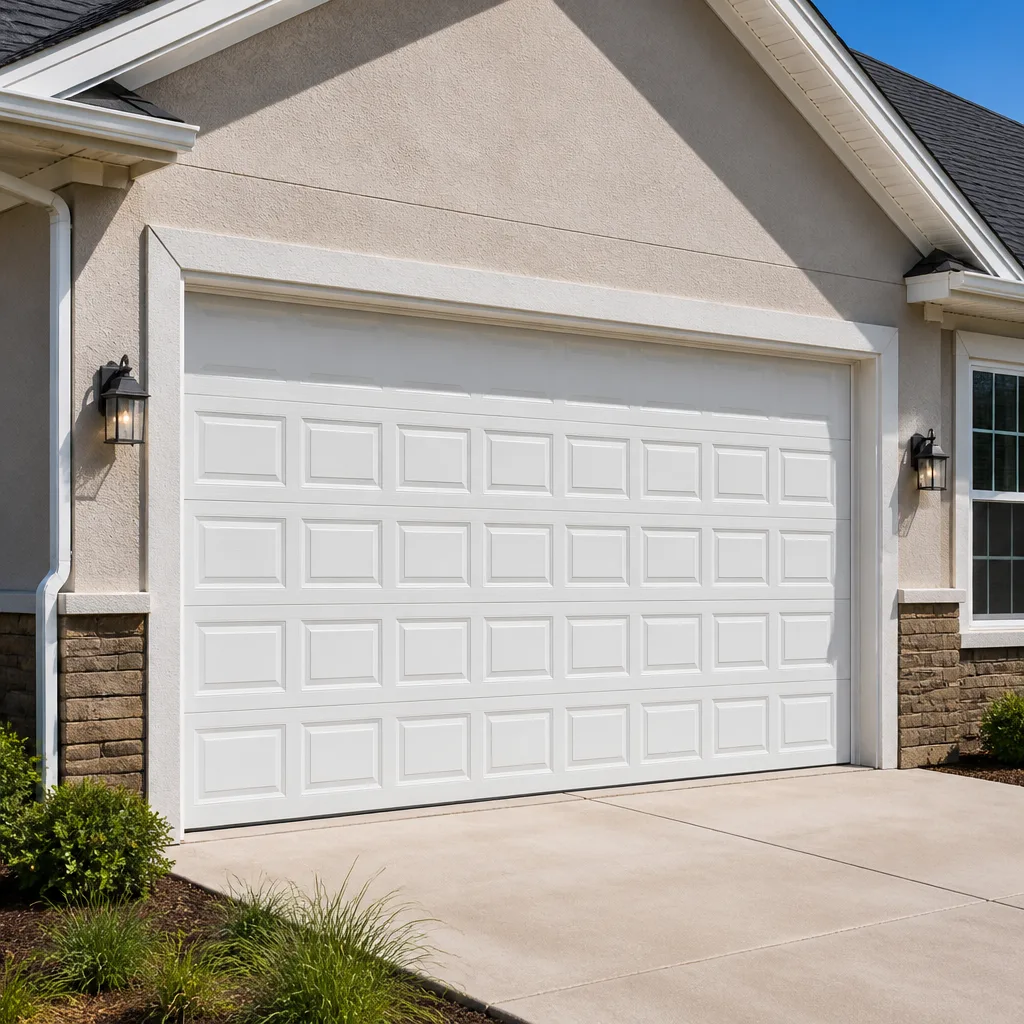 Raised-panel steel
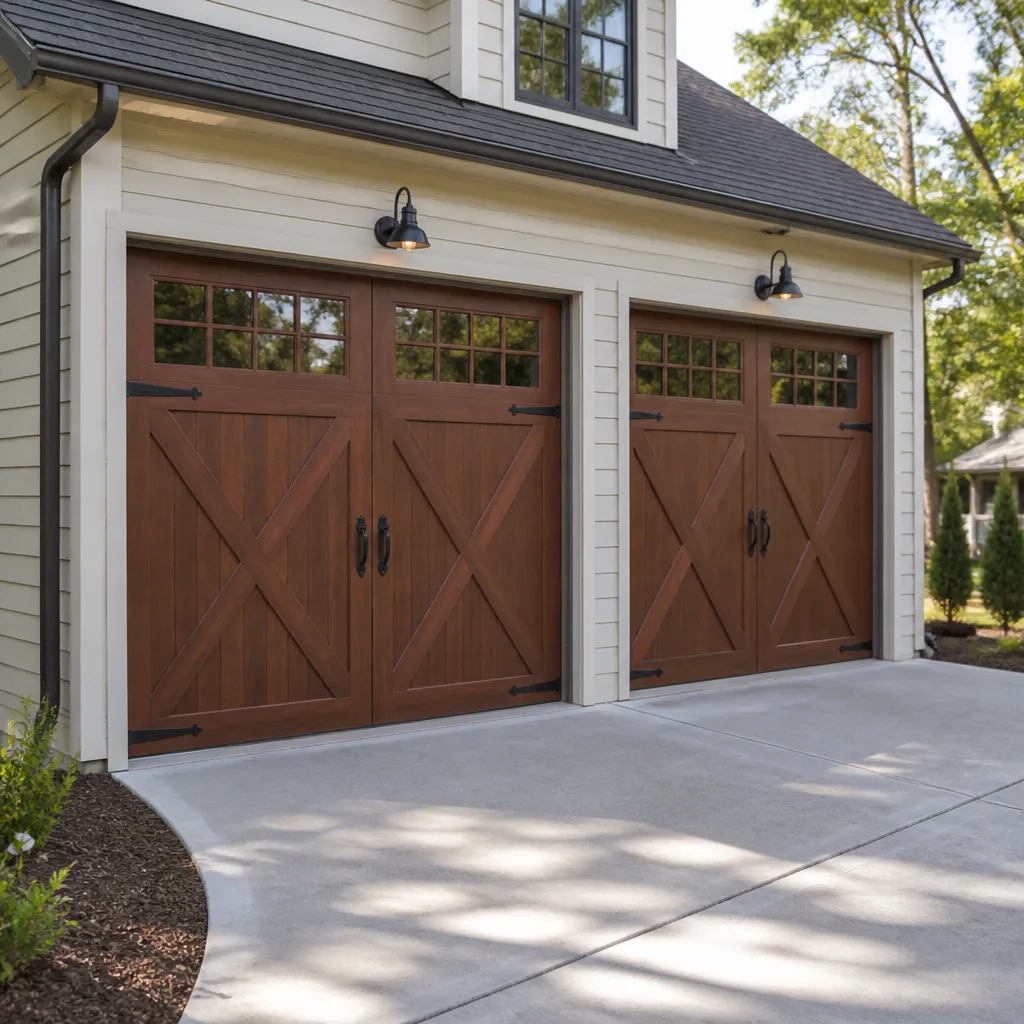 Carriage house
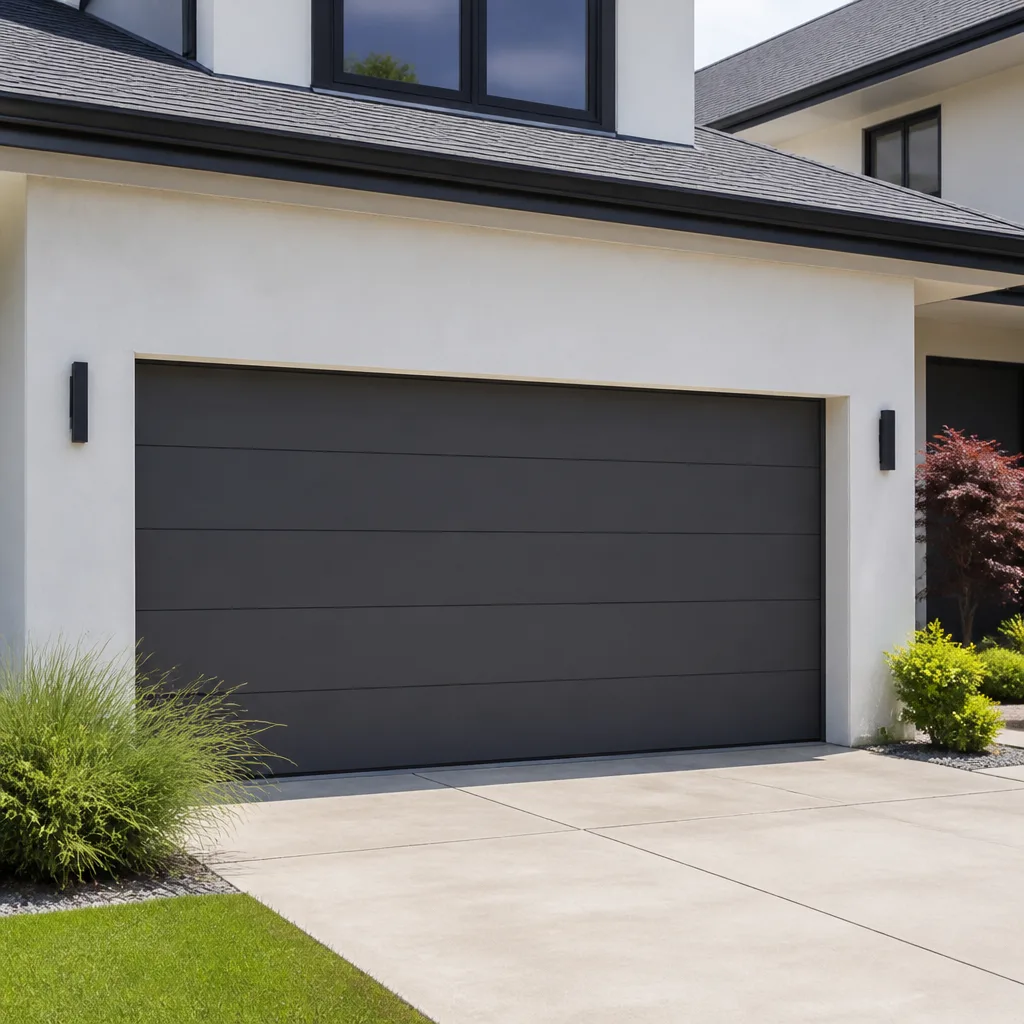 Modern flush
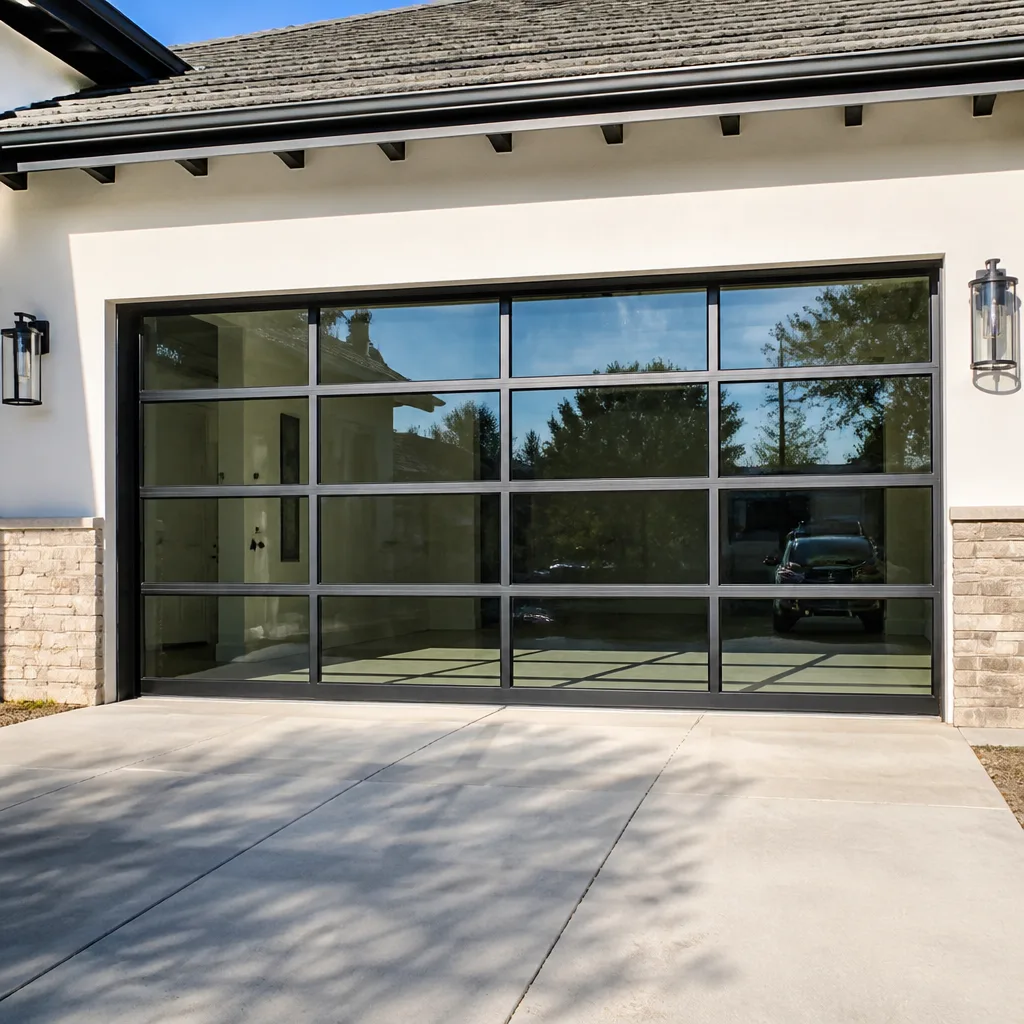 Full-view glass
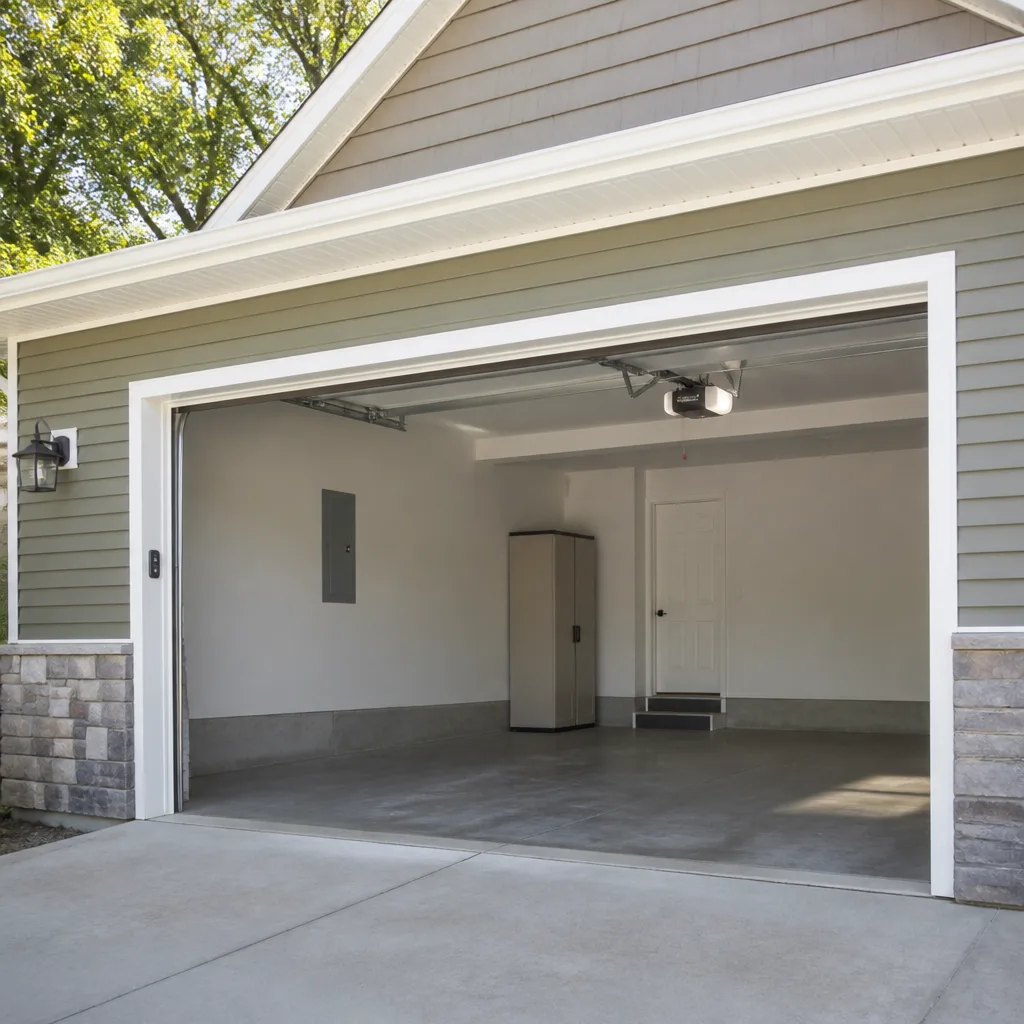 LiftMaster openers
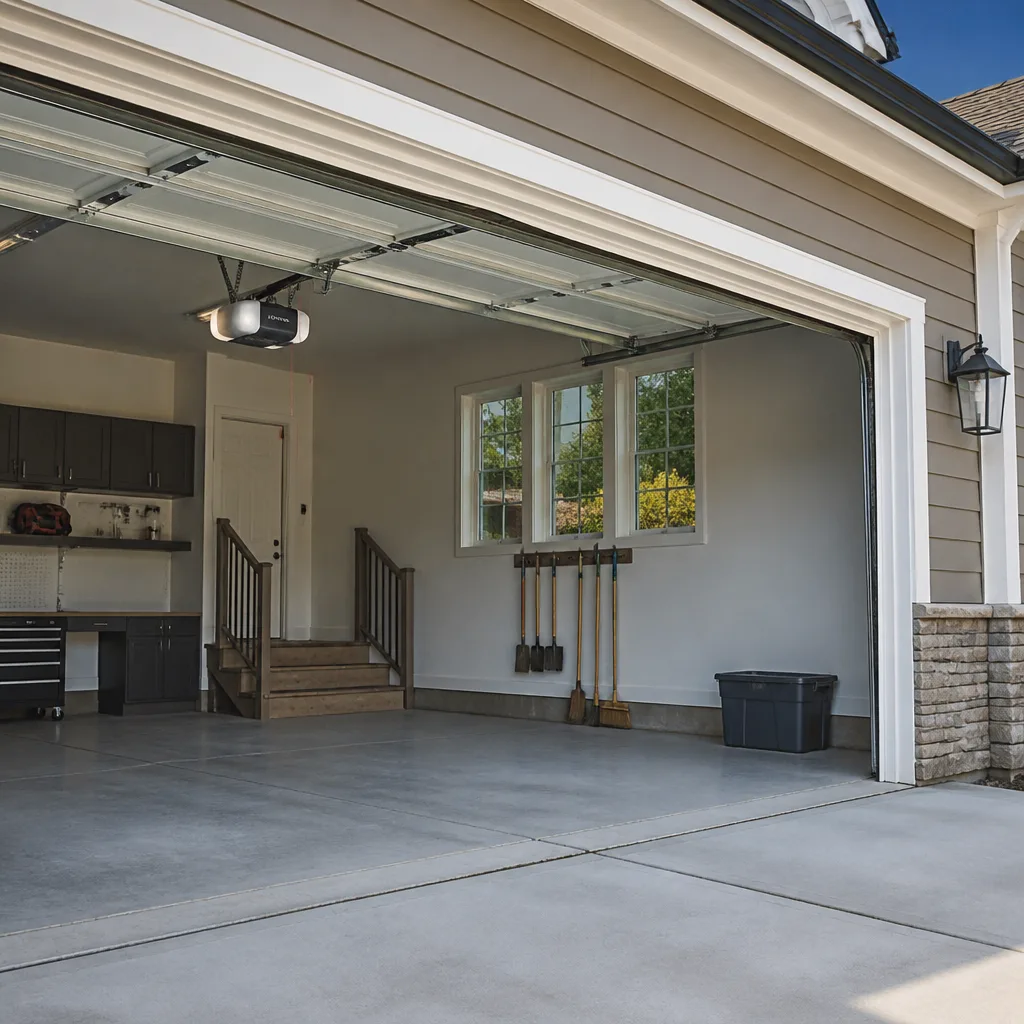 Chamberlain openers
Full 25-point door and opener safety check with every visit - springs, cables, rollers, tracks, and your LiftMaster or Chamberlain opener included
You get a price before we start. It does not change when the pro arrives.
Get your free estimateThe Complete Guide to Garage Doors in Capitol Hill
Most garages in Capitol Hill were built long before automatic openers existed. That single fact changes almost everything about how a door should be repaired or replaced here, and most generic guides skip it. When your garage was framed in the 1920s, the original header, jambs, and ceiling height decide what door you can actually install today, not the other way around. A door that works perfectly in a new build in Redmond might not fit under a 1925 Craftsman’s low crossbeam. This guide maps real door configurations to the housing stock you actually see in Capitol Hill, so you can stop guessing and start with what your building will allow.
Key Takeaways
- Headroom, side room, and door width are the three measurements that decide your options, and pre-war garages usually have less of all three.
- Alley-facing and street-facing garages have different realities for weight, clearance, and noise on dense lots.
- Seattle’s historic and design review overlays can affect visible door changes on contributing structures, so check before you order.
- Pacific Northwest moisture, elevation, and heavy tree canopy mean material and finish choices matter more than they do in drier climates.
- Spring work is dangerous and belongs with a trained specialist. Garage doors are all we do.
Styles & brands we work with
- Raised-panel steel
- Carriage house
- Modern flush
- Full-view glass
- LiftMaster openers
- Chamberlain openers
Quick Answer
The right garage door for a Capitol Hill home depends on three things: the age and framing of your garage, whether it faces an alley or the street, and whether your building falls under a historic or design review overlay. Old Craftsman and rowhouse garages usually limit headroom and side room, which narrows your door options compared to modern infill construction. Measure first, check the overlay second, then pick a material and door type that fit what your structure will actually take.
Table of Contents
- How Capitol Hill’s Housing Stock Shapes Your Options
- The Three Measurements That Decide Everything
- Alley-Facing vs. Street-Facing Garages
- Which Door Types Fit Capitol Hill Openings
- Historic and Design Review Overlays
- Materials and Climate in Capitol Hill
- Brands, Parts, and Getting It Fixed Right
- Keeping an Older Door Working
How Capitol Hill’s Housing Stock Shapes Your Options
Capitol Hill holds three very different generations of buildings, and each one asks something different of a garage door. The 1920s Craftsman bungalows that line many of the residential blocks were built with garages as an afterthought, if they had one at all. Framing was often light, the door openings were sized for a single car with barely any margin, and ceiling heights were modest. Then come the mid-century rowhouses, which pack garages tight against shared walls and each other. Finally there’s the recent infill construction, where a modern door on a deeper, taller opening is routine.
We work across this whole range, and the differences are real. A bungalow that was originally a carriage house may have a header that was never designed for the weight of a modern insulated sectional door. A rowhouse may give you almost no side room between the door frame and the neighboring wall, which limits hardware and track placement. Modern infill usually gives you the headroom and clearance to install almost anything, which is why generic “best door” advice written for new construction rarely lands here.
The practical takeaway is simple: your building’s age is the first thing to look at, not the catalog. Before anyone quotes a replacement, the door opening should be measured and the framing inspected. If you’re planning a new door, a proper measure is the difference between a smooth installation and a return visit.
The Three Measurements That Decide Everything
Whatever the age of your garage, three measurements drive every decision. Get them wrong and the door either won’t fit or won’t work properly. Here’s what to measure and why it matters in Capitol Hill’s tighter lots.
- Headroom. This is the distance from the top of the door opening to the ceiling. Standard sectional doors need roughly 12 inches for a torsion spring setup, and more if you’re using certain low-clearance configurations. Pre-war garages often fall short, which pushes you toward low-clearance tracks or a different door type entirely.
- Side room. This is the space from the edge of the door to the nearest wall or obstruction, and it needs to clear the track and the torsion bar. In a tight mid-century rowhouse, side room is frequently the limiting factor.
- Door width and height. The actual opening size decides the door you can order. A single-car opening that looks standard may be a fraction off from the catalog size, which is why measuring beats assuming.
Those numbers also shape backroom depth, the space behind the door for the tracks to run. On a shallow lot, a track that needs deep backroom simply won’t work, and a different door becomes the right call. When these three measurements line up, the rest of the choices fall into place. When they don’t, the door has to be chosen around them.
Alley-Facing vs. Street-Facing Garages
In Capitol Hill, where your garage faces changes your priorities. Many residential blocks have alley-facing garages, where the door opens onto a shared service lane that’s narrow and often busy. Others face the street, where appearance matters as much as function. Both come with specific considerations.
- Weight and strength. A heavier insulated door on an alley-facing garage holds up better to daily use, but your framing and spring setup have to carry that weight. On a light original header, a heavier door can stress older structure.
- Clearance. Alley-facing garages often open into a tight lane. A door that swings out or a carriage-style door takes up room in the lane when open, which can be a problem on a busy alley.
- Noise. In dense rowhouse blocks, a noisy opener or rattling door travels. Quieter hardware, proper lubrication, and a well-installed opener make a measurable difference to the neighbors.
- Curb appeal. Street-facing garages are visible daily. Material and color choices matter more when the door is part of the streetscape people see.
We’ve seen plenty of situations where a door that would be fine on a street-facing garage causes problems when it’s on a tight alley lot. The right answer depends on which way your garage faces and how much space you have to work with.
Which Door Types Fit Capitol Hill Openings
Not every door type fits every garage, and Capitol Hill’s mix of structures is a good reason to match carefully. Here are the main options and where they tend to fit best.
- Sectional doors. The most common choice, made of horizontal panels that roll up along tracks. They work well when you have enough headroom and backroom, and modern insulated versions are strong and quiet. If your opening and framing can accommodate the tracks, this is a solid default.
- Roll-up doors. These coil tightly into a small space above the opening, which makes them useful where headroom or backroom is limited. They’re less common on residential facades but fit certain tight lots.
- Swing-out carriage doors. Two doors that swing outward on hinges, styled like traditional carriage house doors. They suit older Craftsman and bungalow aesthetics, but the swing clearance matters on a narrow alley.
- Low-clearance and high-lift setups. These are track configurations rather than door types, and they solve specific headroom problems. A low-clearance track can work under a low ceiling; a high-lift track works when you have extra height.
The trick is that the door type is often decided by the structure, not the style wish list. A carriage door that looks right on a 1920s bungalow may not be practical if it swings into a busy alley. A sectional door that’s routine on new infill may need a low-clearance track to fit a pre-war opening. If you’re weighing a full replacement, our garage door installation service starts with measuring the opening and checking the framing.
Historic and Design Review Overlays
Some Capitol Hill buildings fall under historic or design review overlays, and those can affect what you’re allowed to do with a visible door. The rules vary depending on whether your building is a contributing structure and which overlay applies. This is not something to guess at.
If your garage door faces the street and your building is in an overlay, changing the door’s appearance may require review before installation. That can affect material, color, panel style, and window placement. A door that’s perfectly ordinary on a modern infill building might need a different approach on a contributing structure. Alley-facing doors are sometimes treated differently than street-facing ones, but that depends on the specific overlay.
The practical move is to check with the city’s building department and any applicable design review before you order. We don’t make those determinations for you, but we’ll walk through the measurements and options so you know exactly what you’re proposing. Getting this right up front saves the headache of a door that’s installed and then questioned. If your existing door has a problem, sorting it out through garage door repair first may buy you time to plan any visible change properly.
Materials and Climate in Capitol Hill
Capitol Hill sits at elevation with heavy tree canopy overhead and the sort of Pacific Northwest moisture that shows up in every season. That combination affects which materials and finishes hold up on a garage door here.
- Steel. Durable and common, but bare or poorly finished steel is the first to show moisture problems. A properly coated steel door handles the climate well if the finish is kept intact.
- Wood and composite. Wood suits the Craftsman aesthetic, but in this climate it needs more attention to painting and sealing. Composite and engineered options give you the look with less upkeep.
- Aluminum. Lighter and resistant to corrosion, often paired with glass panels. It’s a good fit for modern infill and for openings where weight is a concern.
- Insulation and finish. Because the climate swings between damp and dry, an insulated door with a durable factory finish tends to hold its shape and appearance longer than a thin, uninsulated one.
Tree canopy means shade, leaf debris, and moisture that lingers on the door’s surface. In our experience, that’s where finish quality earns its keep. A cheaper door that starts to blister or rust within a few seasons ends up costing more than a better-finished one. The material choice should account for the shade and moisture your specific lot sees, not just the style of the house.
Brands, Parts, and Getting It Fixed Right
Garage doors and openers come from a handful of manufacturers that cover the vast majority of what homeowners actually own. We work on the brand you already have, and that matters when something breaks. If your door is a Raynor, LiftMaster, Chamberlain, or Genie system, it’s not a mystery to us; it’s the kind of equipment we see every week.
We’re factory-familiar with eight of the industry’s most widely installed brands, including LiftMaster, Chamberlain, Genie, Clopay, Amarr, Wayne Dalton, Craftsman, and Raynor. That breadth means we can diagnose your specific opener or door and get the correct part rather than working around a mismatch. Parts availability is a named part of what we do, so you’re not told to wait on an order while your door sits open.
The other side of this is diagnosis. A door that won’t close, an opener that runs but doesn’t lift, a remote that’s stopped working – these have specific causes, and the right answer depends on the brand and the setup. Getting the diagnosis right the first time avoids repeat visits and unnecessary work. If your opener is the problem, our garage door opener repair covers the major brands without guesswork.
Spring repair deserves its own note. Torsion and extension springs are under high tension, and the job requires specialized training and tools to do safely. We handle spring work in-house because it’s one of the most technically demanding parts of the trade. We won’t walk you through doing it yourself; the risk isn’t worth it.
Keeping an Older Door Working
Older doors in Capitol Hill reward a little routine attention. Here’s a sensible maintenance rhythm that doesn’t require specialized tools.
- Test the balance. With the door closed, disconnect the opener and lift it partway. A properly balanced door stays put; one that drops or rises on its own is telling you something.
- Check the safety reverse. Place a small object in the door’s path and close it. The door should reverse on contact. If it doesn’t, that’s a call.
- Lubricate moving parts. Rollers, hinges, and tracks benefit from appropriate lubrication. Keep the tracks clean and free of debris.
- Inspect the weather seal. With this much moisture around, the bottom seal and side seals wear out. A worn seal lets in water and drafts.
- Look for wear on springs and cables. Don’t touch them, but a visual check for fraying or obvious damage is worth doing. Report anything odd to a technician rather than adjusting it yourself.
If any of these checks turn up a problem you can’t safely address, that’s the moment to call a specialist. A small issue caught early is usually a repair; ignored, it turns into a bigger one. Whether you need routine repair or a new door altogether, start with Capitol Hill Garage Door Repair.
See the difference
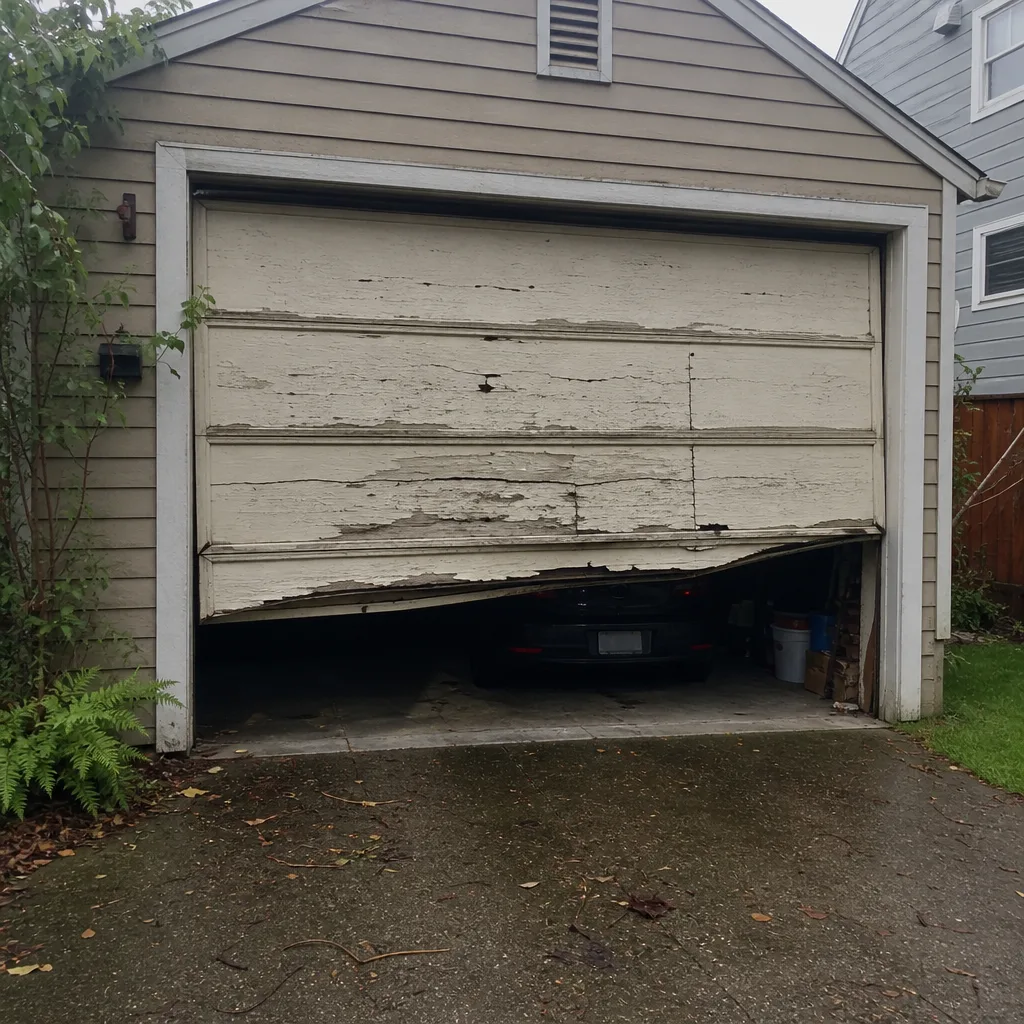 Before
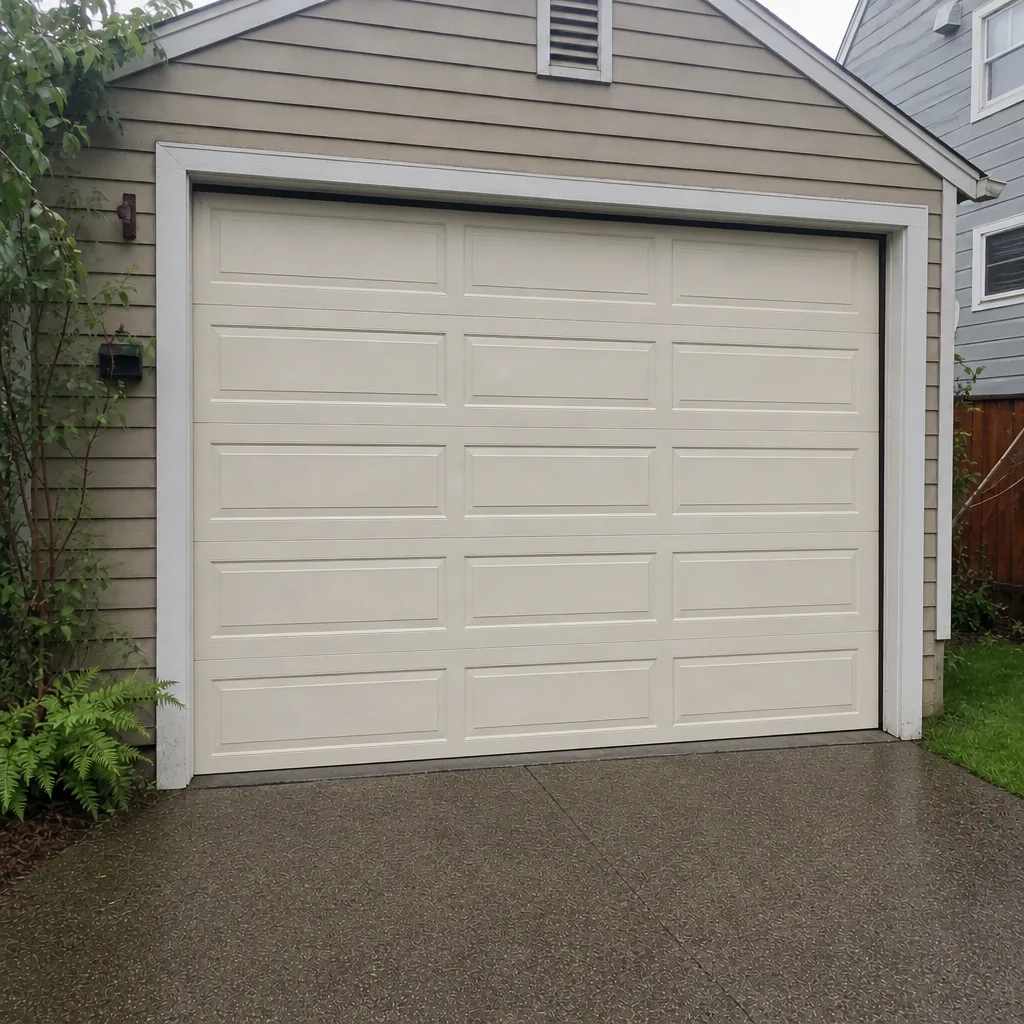 After
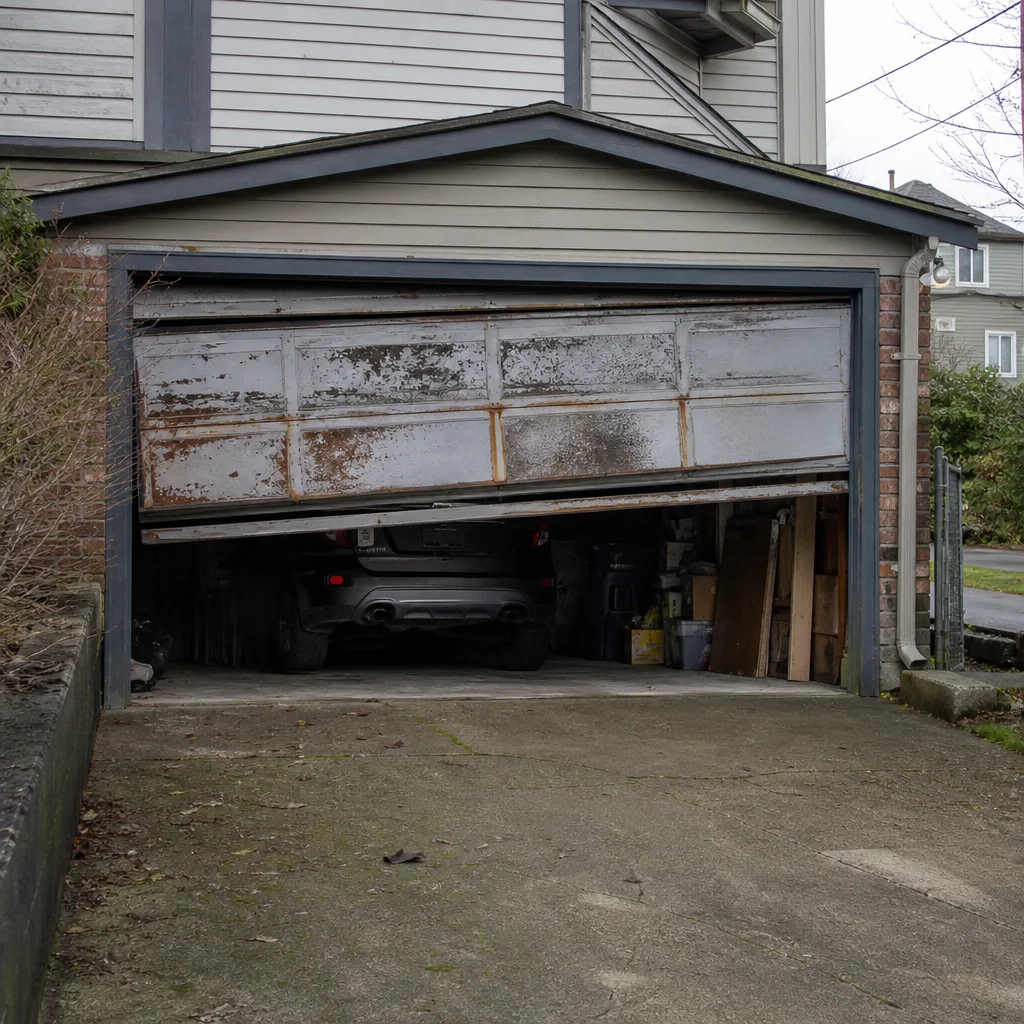 Before
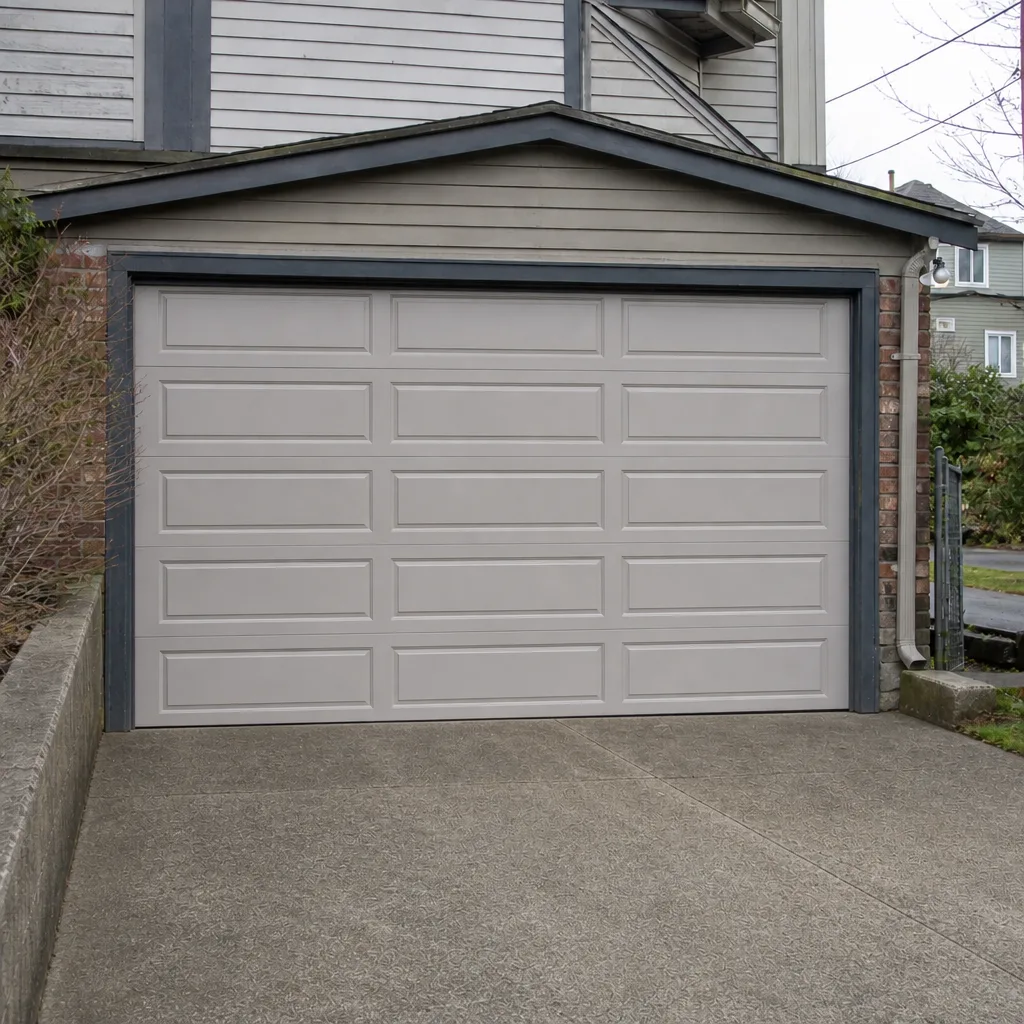 After
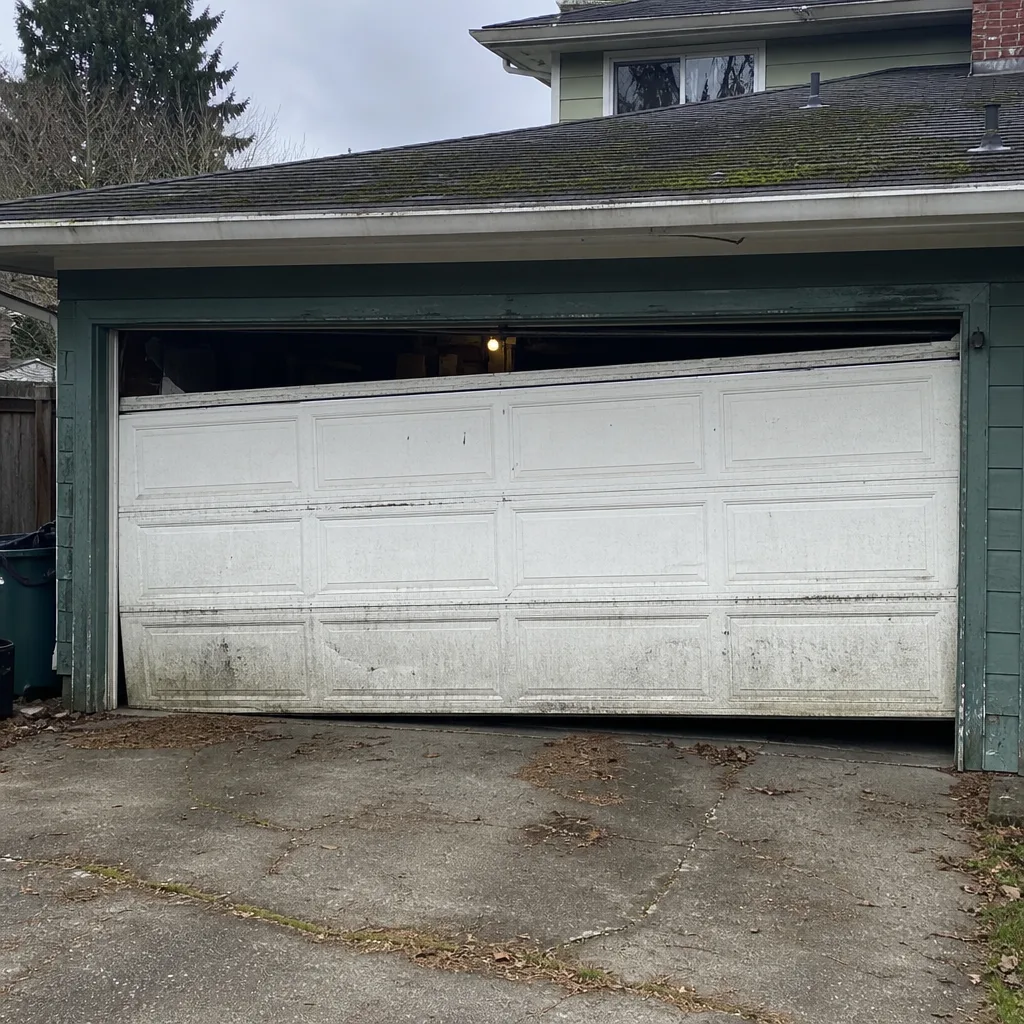 Before
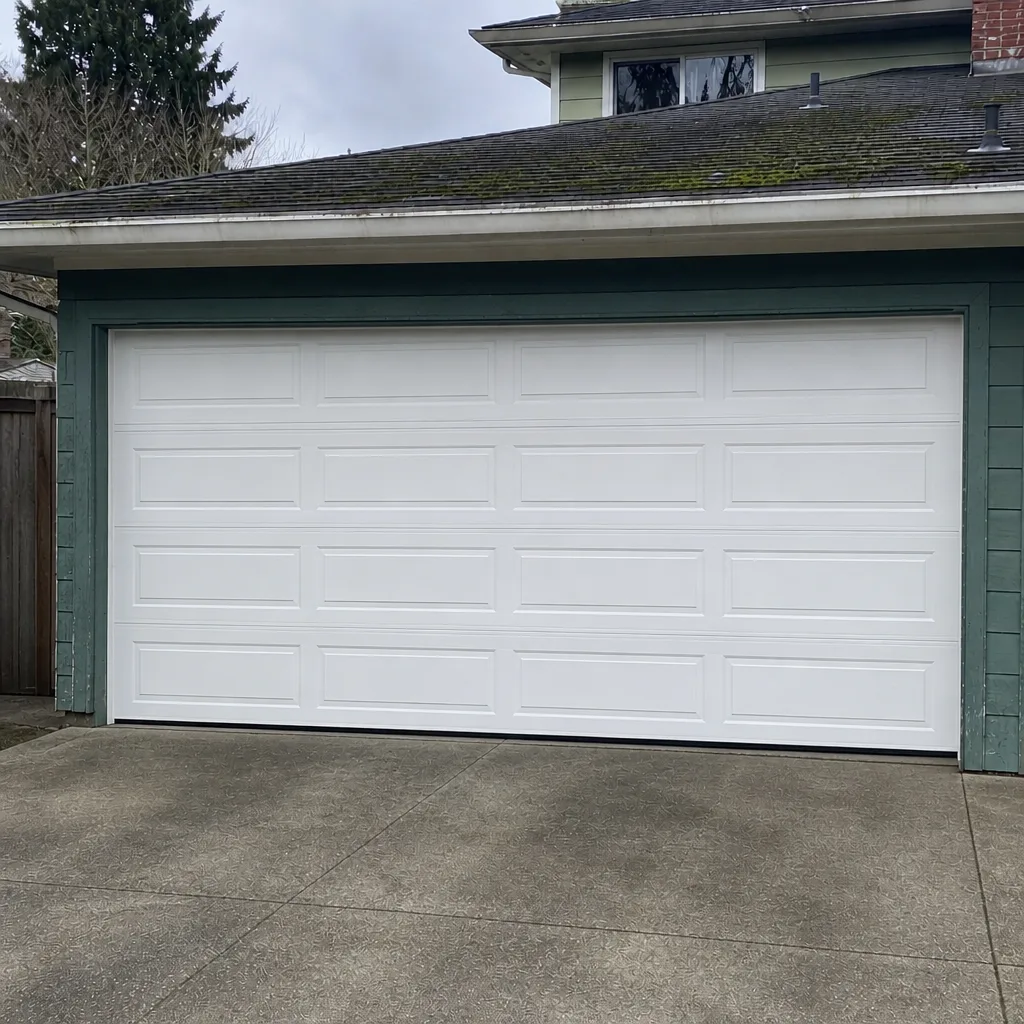 After
Common Mistakes to Avoid
- Ordering a door before measuring. A catalog size rarely matches an older opening in Capitol Hill, and a door that doesn’t fit is an expensive mistake. Measure headroom, side room, and opening size first.
- Ignoring the header and framing. On a 1920s bungalow, the original header may not carry a heavier modern door. Have the framing checked before choosing a heavy insulated model.
- Skipping the overlay check. If your building is a contributing structure under design review, installing a visible door without checking can mean rework. Ask the city’s building department before you order.
- Choosing material for looks alone. A door that suits the house but doesn’t handle Pacific Northwest moisture will age badly. Match the finish to the climate, not just the aesthetic.
- Attempting spring work yourself. Torsion and extension springs are under high tension and can cause serious injury. This is a trained-professional job.
- Letting a small opener problem linger. A remote that stopped working or a door that runs but doesn’t lift usually has a specific cause worth fixing early. A quick repair beats a replacement.
- Buying a door for the alley without checking swing clearance. A carriage-style door that swings into a busy alley can be a practical problem in a dense Capitol Hill block.
When to Call a Professional
Some problems are obvious calls: a broken spring, a door that won’t close, an opener that runs but doesn’t lift, or a cable that’s come loose. Others are quieter, like a door that’s become hard to lift, a remote that’s stopped working, or a weather seal that’s letting in water. With an older door, it’s often the balance or the safety reverse that tells you something’s off. Don’t force a door that’s fighting you, and never handle springs or cables yourself. If you’re planning a change on a visible door in a Capitol Hill overlay, a professional measurement and diagnosis helps you plan ahead. Capitol Hill Garage Door Repair offers free estimates in Capitol Hill. Call (844) 625-7327. We answer 24/7. Fast dispatch from 7am to 7pm, Sunday through Friday.
Frequently Asked Questions
There’s no single best door; it depends on your building’s age, framing, and whether the garage faces an alley or the street. A sectional door with a low-clearance track often works in pre-war openings, while modern infill can take almost any type. Measure headroom, side room, and opening size before deciding, then check any overlay. Call (844) 625-7327 for an exact quote; estimates are free.
Sometimes, but a visible change to a contributing structure may require design review before installation. The rules vary by overlay and by which way the door faces. Check with the city’s building department first, and we’ll help you measure and plan the options so you know exactly what you’re proposing. Call (844) 625-7327 for an exact quote; estimates are free.
Because many garages here were built long before automatic openers, and the framing was sized for a single car with modest ceiling height. That limited headroom narrows your door options and often points toward a low-clearance track or a roll-up door. Measure the distance from the top of the opening to the ceiling before choosing. Call (844) 625-7327 for an exact quote; estimates are free.
Moisture, shade, and daily use are the common culprits. Pacific Northwest dampness and heavy tree canopy wear down finishes and weather seals, while springs and openers simply age. Regular balance and safety checks catch most issues early. If something’s off, call (844) 625-7327; estimates are free.
Repair is usually the right call when the door structure, springs, and tracks are sound and the problem is an opener, a seal, or hardware. Replacement makes more sense when the door is damaged, poorly fitted, or your building’s framing won’t safely carry a heavier model. We’ll tell you honestly which fits your door. Call (844) 625-7327 for an exact quote; estimates are free.
Yes. We’re familiar with eight of the major brands, including LiftMaster, Chamberlain, Genie, Clopay, Amarr, Wayne Dalton, Craftsman, and Raynor, so you’re not stuck with a mismatch. Parts are supplied directly, which reduces the wait. Call (844) 625-7327 for an exact quote; estimates are free.
The Bottom Line
The right garage door for a Capitol Hill home isn’t a universal answer; it comes from your building’s age, framing, and lot. Measure headroom, side room, and opening size first. Check whether your building falls under a historic or design review overlay before you order. Match the material and finish to the moisture and canopy this climate brings. Then let a specialist handle the springs and any technical work safely. Garage doors are all we do, and our technicians have up to 14 years of experience diagnosing and fixing the brand you already have. Call (844) 625-7327 for a free estimate.
Written by the team at Capitol Hill Garage Door Repair.