
Last updated November 23, 2026
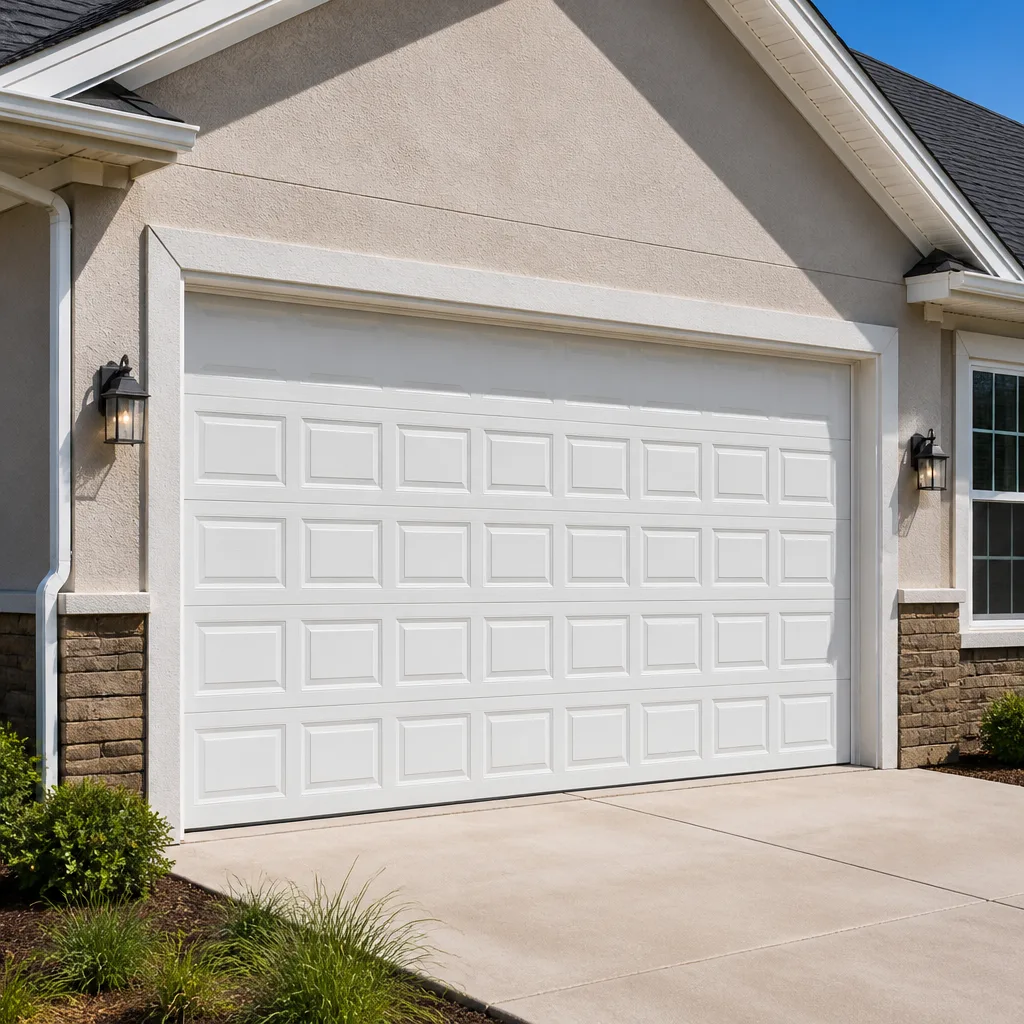 Raised-panel steel
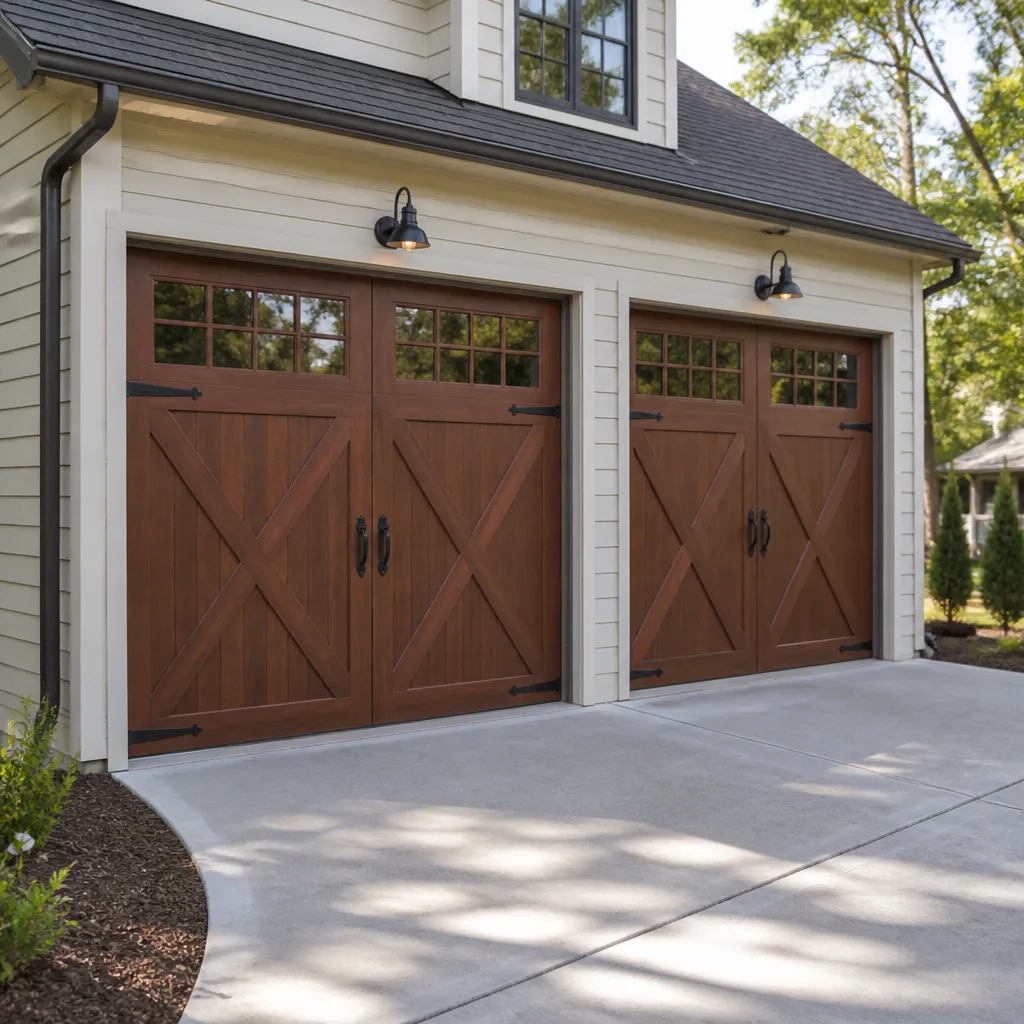 Carriage house
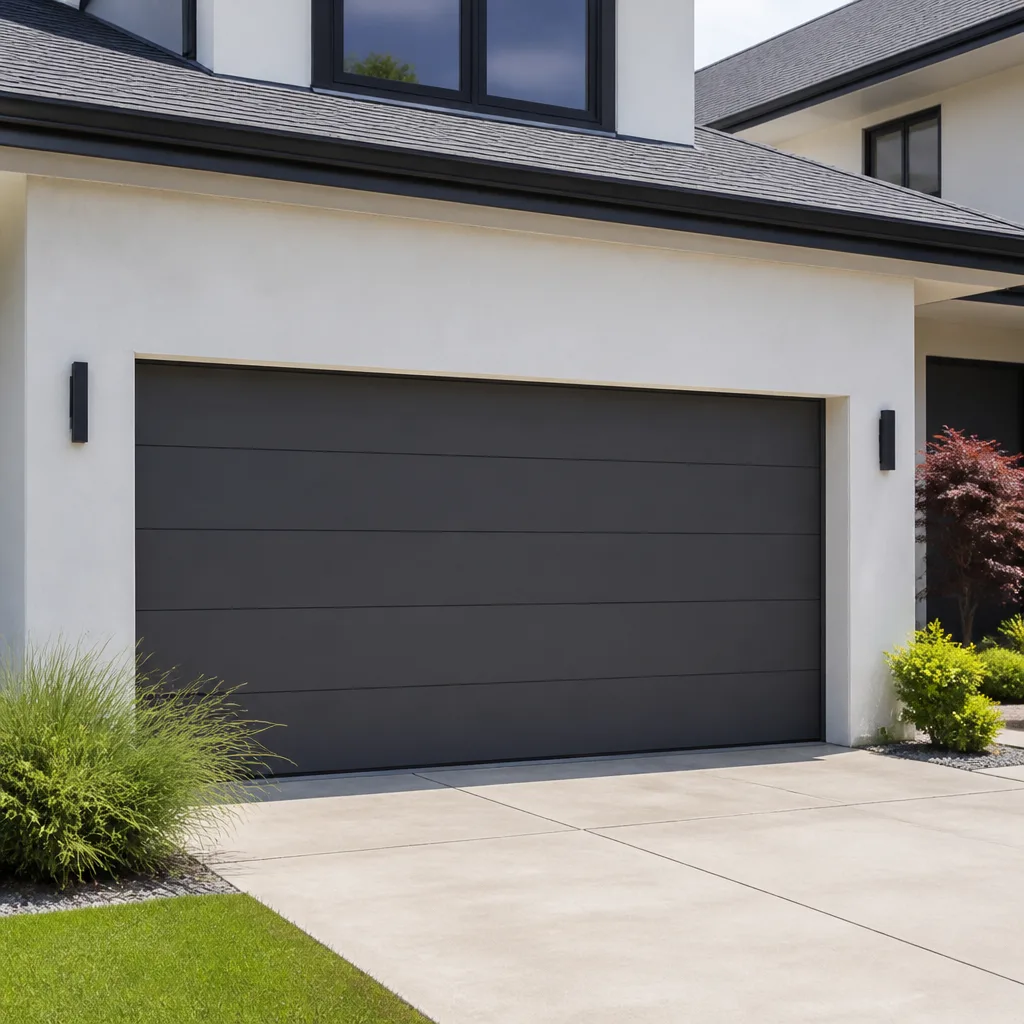 Modern flush
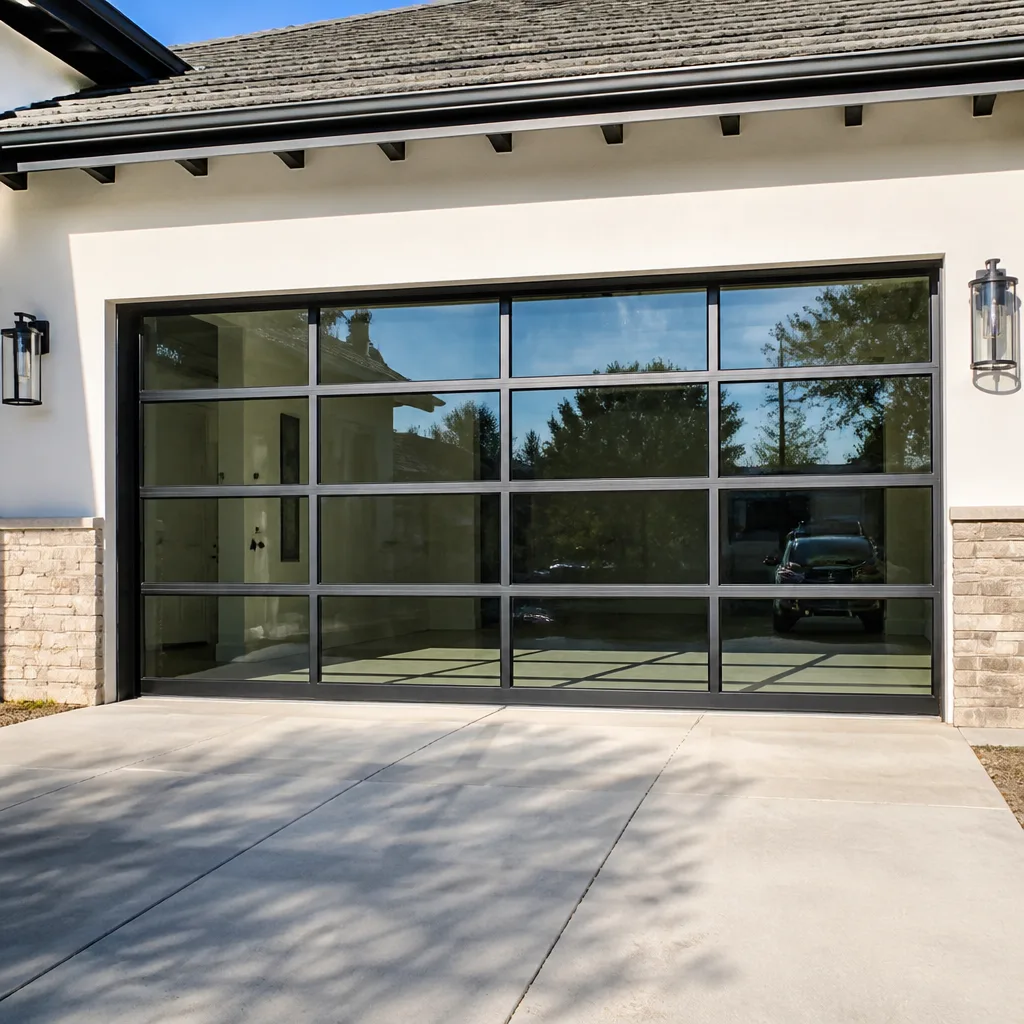 Full-view glass
 LiftMaster openers
 Chamberlain openers
Full 25-point door and opener safety check with every visit - springs, cables, rollers, tracks, and your LiftMaster or Chamberlain opener included
You get a price before we start. It does not change when the pro arrives.
Get your free estimateDIY vs Professional Garage Door: The Capitol Hill Homeowner’s Decision Guide
The garage door is the one part of your house that stores serious energy every second of the day, even when nothing is moving. Most homeowners judge the DIY decision by confidence: I’m handy, I’ve fixed things before, so I’ll try it myself. That’s the wrong test. The real dividing line isn’t how skilled you are – it’s which tasks can hurt you or damage your door if they go wrong, and which ones reward a few careful minutes of your own time. This guide draws that line clearly for Capitol Hill homeowners, task by task, so you know exactly what belongs in your hands and what belongs in ours.
Quick Answer
Most garage door maintenance is genuinely safe to do yourself: lubrication, sensor alignment, remote reprogramming, and a bottom seal swap. Torsion spring replacement, cable replacement, and realigning a track under a loaded door carry real injury risk and belong with a professional. The difference isn’t skill – it’s stored energy and liability. If the task involves a spring, a cable, or anything under tension, stop and call. Call (844) 625-7327. We answer 24/7. Fast dispatch from 7am to 7pm, Sunday through Friday.
Styles & brands we work with
- Raised-panel steel
- Carriage house
- Modern flush
- Full-view glass
- LiftMaster openers
- Chamberlain openers
Table of Contents
- Where the DIY Line Actually Falls
- The Tasks a Capitol Hill Homeowner Can Safely DIY
- The Tasks That Require a Professional
- Liability and Code: What Washington Homeowners Should Understand
- When DIY Costs More Than a Professional Repair
- Why Older Capitol Hill Frames Make Botched Repairs Worse
- Matching the Right Part to Your Door and Opener
- A 60-Second Self-Check Before You Decide
Where the DIY Line Actually Falls
Think of every garage door job as falling into one of three buckets: safe to hand off to the homeowner, safe only with a specialist’s tools and training, and genuinely dangerous no matter who you are. The confusion happens because all three live inside the same machine, and the door doesn’t advertise which bucket a given part falls into.
Torsion spring replacement is the clearest example. On a standard door, the spring holds enough stored energy to lift roughly 200 pounds, and it does that under constant tension. When the spring is wound, that energy stays locked in the coils, waiting for release. A DIY video can show you the winding bar motion, but no video changes the physics of a spring that’s holding a ton of force in a few feet of steel. If the bars slip or the spring gives way while you’re on the ladder, the outcome is serious injury, not a bruised ego. The same applies to lift cables, which snap with violent force when they release.
There’s a second dividing line besides danger: liability. Anything you modify on a door that could reasonably be tied to an injury or a failed safety reversal can come back to you. In Capitol Hill’s mix of older homes, converted garages, and detached structures, that matters more than it does in a newer subdivision where every door is factory-standard.
So the useful question isn’t “can I do this?” It’s three smaller ones:
- Does the task involve a part under tension (spring, cable, or anything wound)?
- Does it change how the door or opener behaves at the safety reversal?
- If it fails, does it fail safely or does it fail violently?
If the answer to any of those is a yes, it’s professional work. If all three are no, you have more room than you might think.
The Tasks a Capitol Hill Homeowner Can Safely DIY
A capable homeowner with the right information can handle a meaningful slice of garage door upkeep. These are the jobs that reward a little attention and cost almost nothing to get right:
- Lubrication. A few drops of a proper garage door lubricant on the rollers, hinges, and the spring coil extends the life of the moving parts and quiets a noisy door. Do it a couple of times a year and wipe excess away. Never grease the tracks – dry tracks are what you want.
- Sensor alignment. If the door reverses immediately after closing, the first thing to check is the two photo-eye sensors near the floor. Line them up so the indicator lights are on and steady, clear cobwebs and dust off the lenses, and confirm nothing is blocking the beam.
- Remote and keypad reprogramming. A remote that stops working, or a new one you want to add, is usually a quick reprogramming job with the opener’s manual in hand. It’s one of the most common calls we take, and often the fix is five minutes of button-pressing.
- Bottom seal swap. A cracked or flattened bottom seal lets in leaves, water, and drafts. A new seal slides into the aluminum carrier along the bottom edge and seats with a little muscle. It’s a safe, useful fix, and a fresh seal makes a real difference to how well a door shuts.
- Visual inspection. Look at the cables for fraying, the rollers for wear, the hinges for cracks, and the door panel for cracks or sagging. You’re not repairing anything – you’re catching something early enough that a professional visit stays small.
None of these require you to disarm a spring or stand under a suspended door. All of them keep your door on the road longer and give you better information when you do call us.
The Tasks That Require a Professional
Now the other side of the line. These are the jobs where the risk isn’t a wasted hour or a scuffed panel – it’s a serious injury or a door that fails structurally:
- Torsion spring replacement. The spring lives above the door, wound under tension. Replacing it requires the spring to be fully decompressed first, then rewound correctly, with the right winding rods and, ideally, two people. If the bars slip during winding, the energy releases in an instant. This is the job that sends people to the emergency room.
- Extension spring replacement carries its own risk. These springs are stretched along the sides of the door, and a snapped spring or a loose cable under tension can swing with force.
- Cable replacement. Cables are wound on drums at the top corners of the door and hold the door’s weight. They’re under serious tension, and cutting or slipping one under load is dangerous. This is one of the areas we handle in-house at Capitol Hill Garage Door Repair because getting it wrong is not a small error.
- Track realignment on a loaded door. If a track is bent, the door is bearing weight on it. Straightening a track under a loaded door is a job for someone who can take the tension off the door first – not for a homeowner working around a suspended panel.
- Roller replacement on a spring-loaded door. Rollers look harmless, but replacing them safely requires relieving the tension on the door, which loops back to the spring. The part is cheap; the process is not beginner work.
- Any opener installation or replacement. A new opener has to be mounted, attached to the door, and – critically – its safety reversal has to be set and tested. A reversal that doesn’t work is a safety hazard, not a convenience issue.
Every one of these jobs is one we perform with the tools and training the work demands. Our technicians have up to 14 years of experience handling exactly these parts – because the fix that looks expensive on paper is far cheaper than the outcome of getting it wrong.
Liability and Code: What Washington Homeowners Should Understand
A garage door is one of the few things on a house where a small shortcut can put you personally on the hook. It’s worth understanding that before you pick up a wrench, especially if your garage happens to be attached to a conditioned space or sits near an ADU.
Here’s the interaction. If you install an opener yourself, or rewire one, or replace a safety reversal sensor, and then a door failure or injury follows, that modification is yours. Combined with Washington State’s approach to homeowner work on a primary residence, the rule is generally this: you’re allowed to do some work on your own home, but the work still has to meet the applicable codes, and if it’s later inspected or investigated, you’ll be asked whether it was permitted and done correctly. That’s true even if you never sell. An ADU or an attached garage that connects to a conditioned living space tends to get more scrutiny, not less, because there’s more at stake if it fails.
There’s a second layer: the door itself. Most local building departments will require a permit for a structural change, an opening change, or a change to the door’s mounting that isn’t a straight replacement of a like-for-like unit. We’re not going to tell you the exact rule for your block – ask the city’s building department, because it depends on the age and type of structure. But the general shape is clear: an opener or door modification that’s done without a permit is a modification you can’t easily stand behind later.
The practical read: keep your own work inside the safe list, and if a job touches a spring, a cable, a safety reversal, or structural mounting, let a professional do it and leave a record that it was done correctly.
When DIY Costs More Than a Professional Repair
The pitch for DIY is that it’s cheaper. Sometimes that’s true. Often it isn’t, and the honest reason is component cost. If a job goes wrong, your afternoon turns into a search for the exact part your door needs, which can be genuinely hard to find. A torsion spring, for example, is matched to the door’s weight and drum, and the wrong spring turns a small job into a serious one. If you buy the wrong one, you haven’t saved anything – you’ve paid twice.
Here’s the component math in plain terms. A professional repair is a single, agreed price quoted before the work starts. A DIY repair has to account for:
- The correct part, matched to your door’s weight and the brand you own – not the closest if-then.
- Tools you may not own: winding rods, a proper drill, a tension gauge, and the right ladder.
- The cost of the wrong part when the first attempt misses.
- Your time, twice: once to try, once to undo.
- The cost of the repair being done right the first time if it needs to be redone.
That last line is the one that matters. We’ve seen plenty of doors where a homeowner replaced a spring with the wrong size, or a roller with an incompatible one, and the eventual professional bill included putting the door back together before fixing the actual problem. Diagnosed correctly the first time is cheaper than being fixed twice.
Where we do think DIY pays off is parts supply: we stock and supply components directly, so if you’re handling one of the safe tasks yourself, you can get the right part without waiting on an order. The point isn’t that you can’t buy a part – it’s that getting the correct one shouldn’t require guesswork.
Why Older Capitol Hill Frames Make Botched Repairs Worse
Capitol Hill has a lot of older housing stock, and older garage openings were never built for the weight and travel the current generation of doors runs on. The framing, the header, and the way the door was originally hung can all differ from a newer build. That history is the reason a botched repair here can spiral in ways it doesn’t on a fresh door.
When a DIY repair goes wrong on an older frame, the damage rarely stays inside the garage door itself. It moves into the structure: a track that gets bent out of square pulls on the framing; a spring of the wrong tension overloads the center bearing and the header; a door that slams down wears the bottom seal and eventually the concrete. Each of those moves the eventual repair from door parts to structural repair, and that’s a much bigger job.
Older homes also often have non-standard openings – a door that was widened at some point, a frame that’s slightly out of plumb, a header that was reframed by a previous owner. When that’s the case, the door has to be measured and the hardware matched, not assumed. That’s the work we do on every visit: measure the opening, check the header and the framing, and figure out what the door actually needs before we touch anything. If you’re researching a replacement rather than a repair, our garage door installation service starts with that measurement so the door you buy fits the opening you have.
Matching the Right Part to Your Door and Opener
Here’s a version of the DIY decision that’s more subtle than spring vs. sensor: parts compatibility. A door is a system, and the opener is a second system that has to talk to the first. Most of the doors and openers on Capitol Hill come from a small group of manufacturers, and knowing them is half the repair. We service the equipment people actually own: LiftMaster, Chamberlain, Genie, Clopay, Amarr, Wayne Dalton, Craftsman, and Raynor.
That matters in practical ways. A Craftsman opener has its own logic and its own programming sequence, different from a LiftMaster or a Genie. A Raynor door takes different hardware and springs than a Clopay of similar size. A Chamberlain opener paired with the wrong remote frequency is a remote that simply won’t pair, no matter how many times you try. If you’re replacing a part, the correct match is usually a specific one, not a universal one – and a universal replacement is where most DIY jobs start to go sideways.
Garage doors are all we do, so we’ve worked across all eight of those brands and we carry and supply the components directly. That’s also why the parts question is worth asking early: if your goal is to handle a safe task yourself, we’d rather help you source the correct part than have you buy three. When an opener is the problem rather than the door, garage door opener repair is usually the single fastest way to get the door running again – and it’s often a small job once you know what’s wrong.
A 60-Second Self-Check Before You Decide
Before you decide whether a job is a DIY project, run through this short checklist. It takes about a minute and it clarifies the answer:
- Does the door move freely by hand when it’s disconnected from the opener? If it’s heavy, stiff, or slams, stop – something is under load and it needs a professional look.
- Is the problem with the door or the opener? A remote that won’t work, or a sensor that won’t align, is usually an opener issue. A door that won’t go up or down evenly is usually a door issue.
- Is there anything obviously under tension? Springs at the top or sides, or cables along the edges. If yes, it’s professional work.
- Is there a bent track, a frayed cable, or a cracked spring? Those aren’t cleanup items, they’re repair items.
- Is the door safe to leave alone for a few days? If not, don’t experiment. Book the repair.
If your answers are “nothing under tension, the problem is a remote or sensor, and the door still moves smoothly,” you have a quiet afternoon job. If any of them flip the other way, it’s time for garage door repair with a specialist who does this every day.
Common Mistakes to Avoid
- Trying to fix a torsion spring after watching a tutorial. The video doesn’t reduce the stored energy. If you’re on a ladder with winding bars and the spring is still loaded, stop and call. No tutorial changes the physics.
- Buying a “universal” spring or roller instead of the correct one. Springs are matched to door weight and drum; rollers are matched to the track and hinge. A universal part is the most common cause of a repair that fails twice.
- Greasing the tracks. This feels helpful and is the opposite. Lubricant on the tracks collects dirt and reduces the traction the rollers need. Grease the moving parts; keep the tracks dry.
- Replacing an opener without testing the safety reversal. A new opener that doesn’t reverse properly is a safety hazard. The reversal test isn’t optional, and it’s the step most DIY installs skip.
- Straightening a bent track around a loaded door. If you bend a track back with the door hanging on it, you’re loading the door into an uneven path. Take the tension off first, or leave it to someone who can.
- Installing an opener on an ADU-adjacent garage without checking what the permit requires. An opener modification is a change to a safety system. If your garage connects to a conditioned space or sits near an ADU, ask the city’s building department what’s required before you drill anything.
- Assuming a frame that looks square is square. On older Capitol Hill homes, the opening is often slightly out of plumb. Measure it. A door hung on an out-of-square frame will fail early, and that’s a cost that lands on you.
See the difference
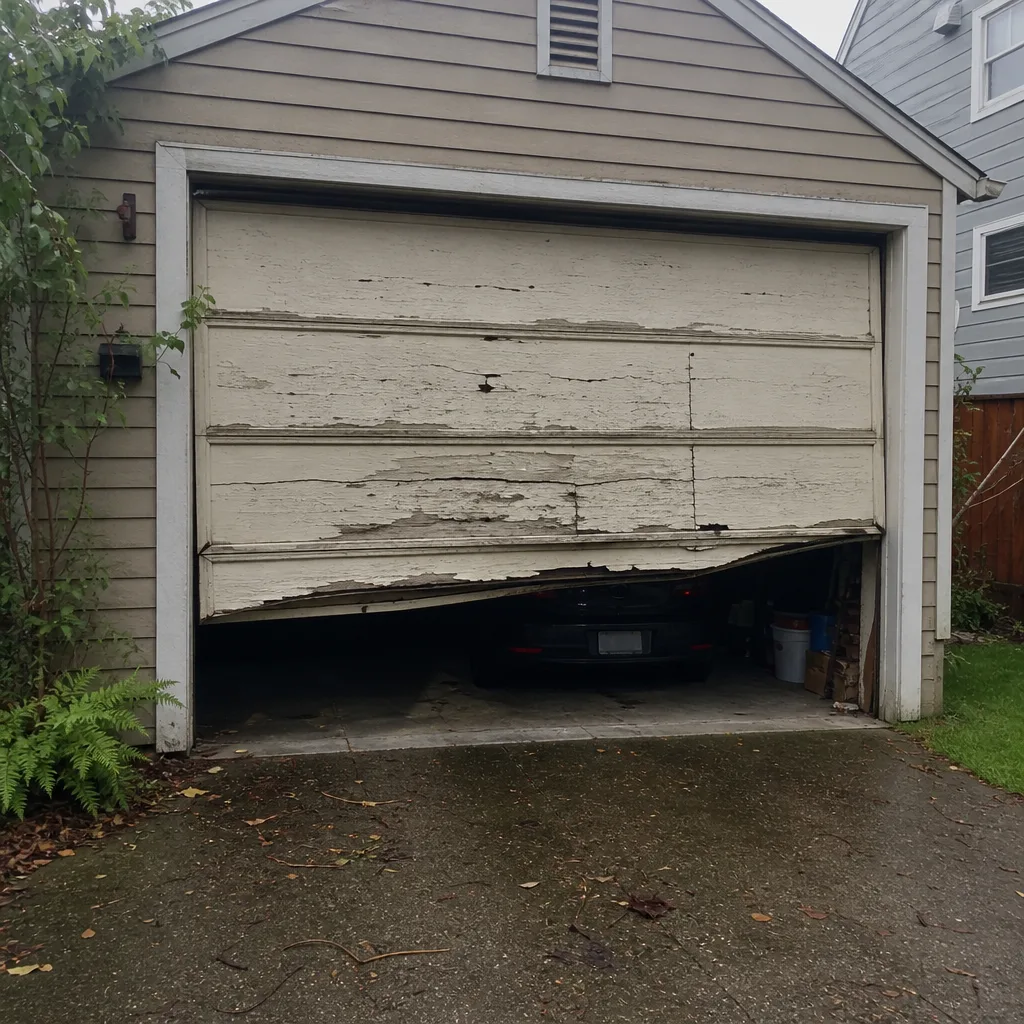 Before
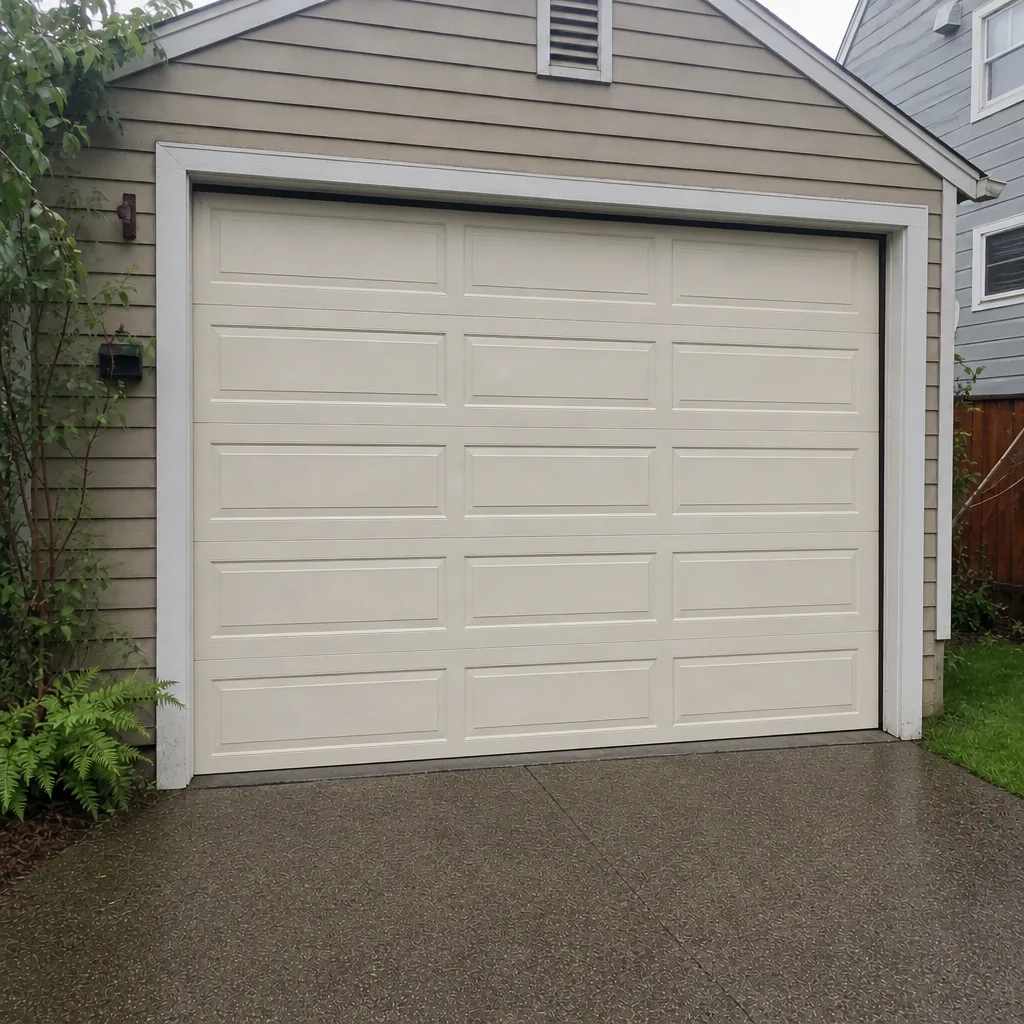 After
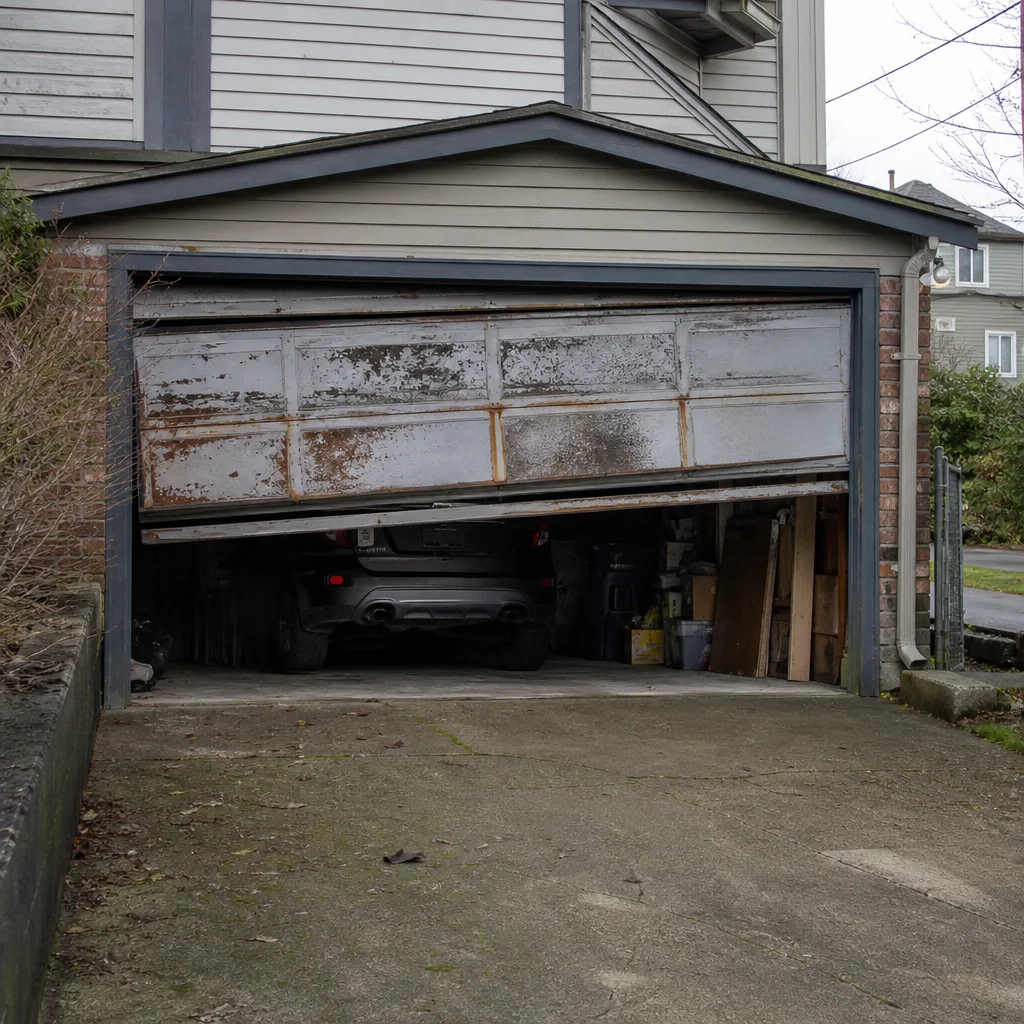 Before
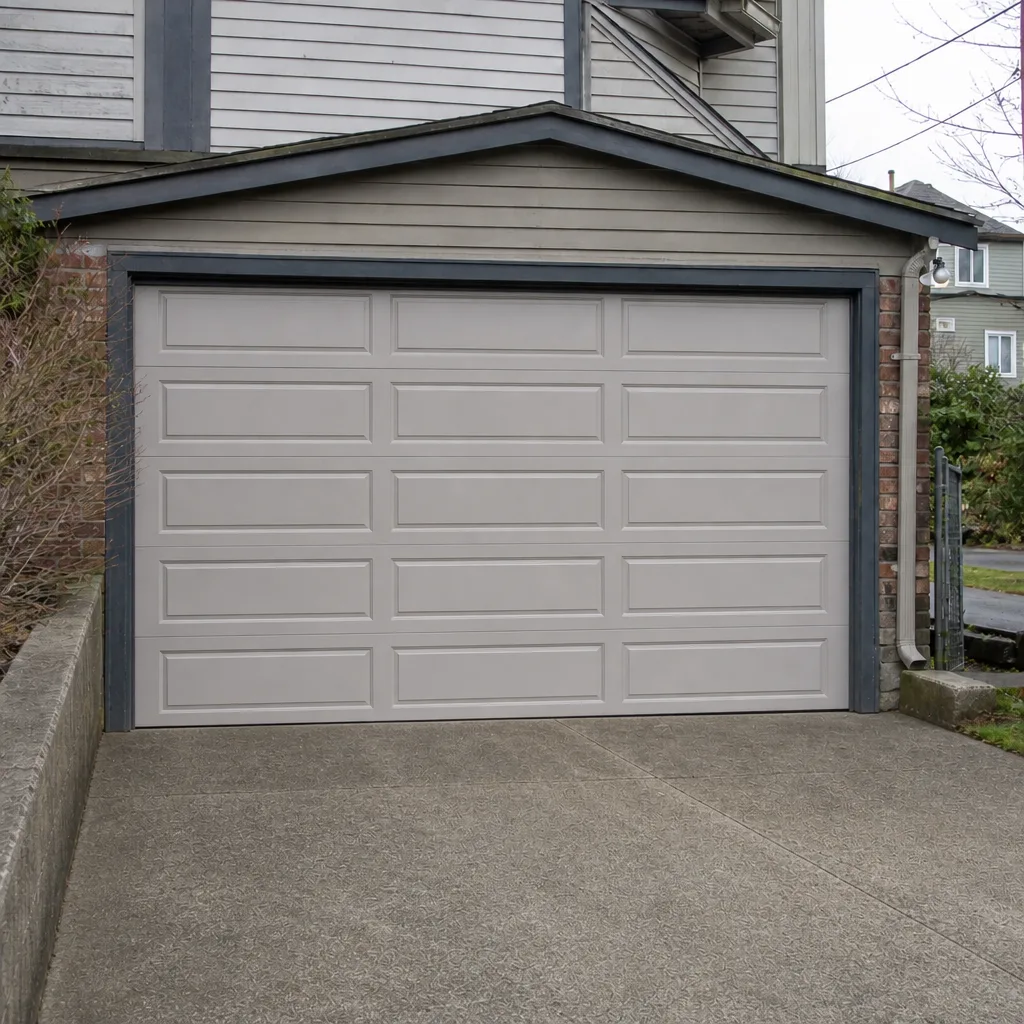 After
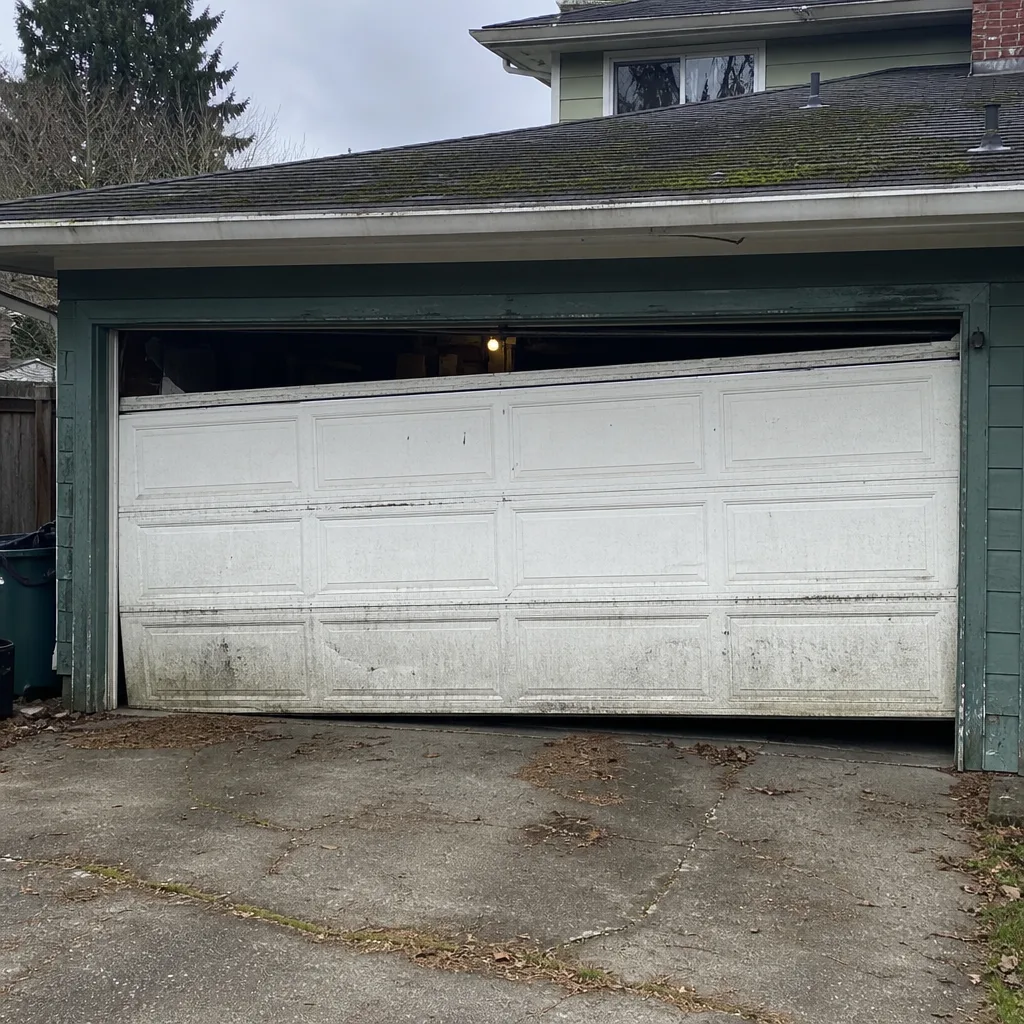 Before
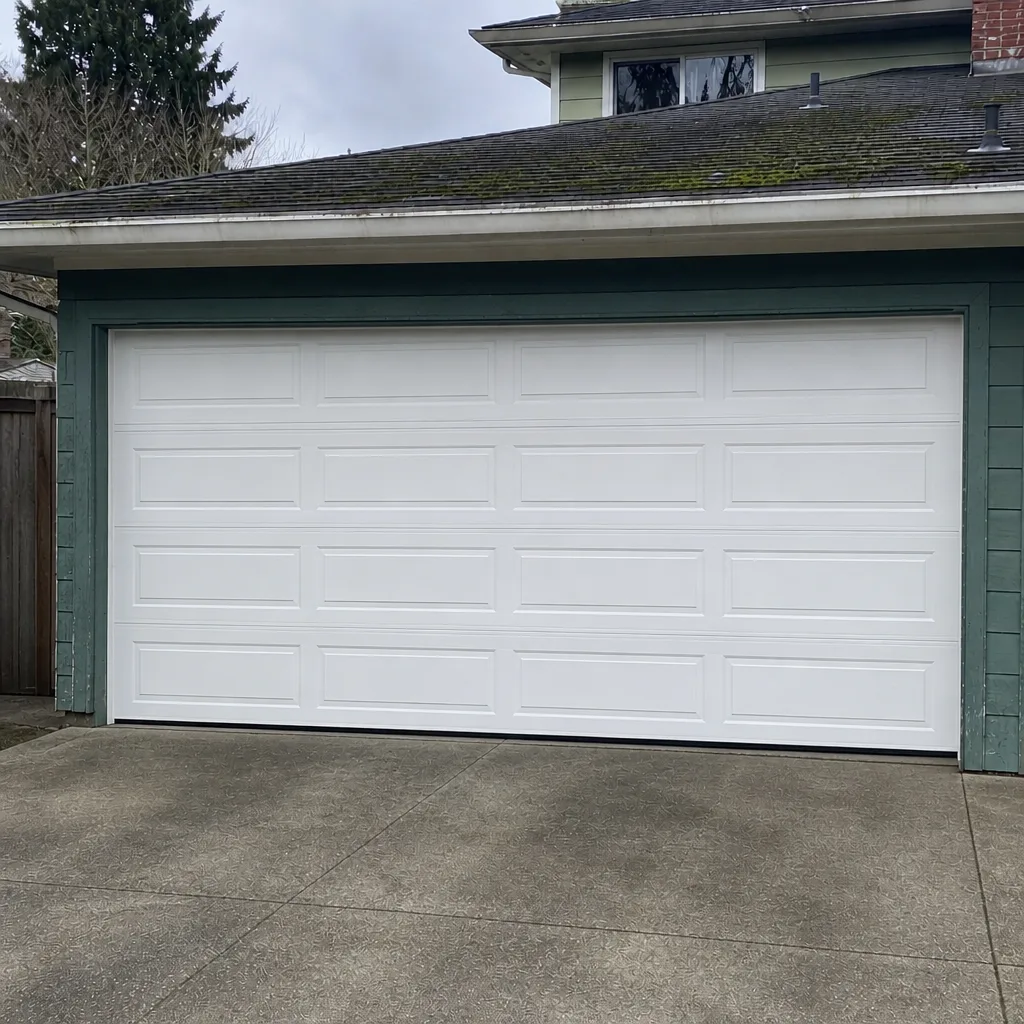 After
When to Call a Professional
Call a professional when the task involves a spring, a cable, a track under load, or a change to the opener’s safety reversal. Call if the door is heavy to lift, slams down, reverses for no reason, runs unevenly, or if you can see a bent track, a frayed cable, or a cracked spring. If your garage is attached to the house or sits near an ADU and your plan involves modifying the opening or the opener, call before you start so we can talk through what the job involves. Capitol Hill Garage Door Repair offers free estimates in Capitol Hill – call (844) 625-7327. Our technicians have up to 14 years of experience, and every job is a garage door job. From broken spring to full installation, we handle the work in-house and supply the parts directly.
Frequently Asked Questions
No. Torsion spring replacement is the one garage door job we’d never recommend for a homeowner in Capitol Hill or anywhere else, because the spring holds enough stored energy to cause a serious injury if the winding goes wrong. Call (844) 625-7327 for an exact quote – estimates are free.
Spring repair is priced per job by a written estimate, and the final price depends on the door’s weight, the spring setup, and the parts required. We quote and agree the price before any work starts, and the written estimate sets the final number – not an invoice that surprises you afterward. Call (844) 625-7327. We answer 24/7, with fast dispatch from 7am to 7pm, Sunday through Friday.
Often yes. A door that won’t close is the kind of problem we dispatch for, and we offer same-day service on repair calls. Call (844) 625-7327. Fast dispatch from 7am to 7pm, Sunday through Friday. We answer 24/7, and a call outside dispatch hours is booked into the next opening.
No. The written estimate we agree to before work begins is the price. If we find an additional problem while we’re there, we’ll show you and quote it separately so you can decide – we won’t work first and adjust the invoice later. Call (844) 625-7327 for a free estimate.
The local professionals we connect you with are state-licensed and insured as their state requires. We’re a garage door specialist – not a general handyman – and our technicians have up to 14 years of experience working on doors and openers only. Call (844) 625-7327 for a free estimate.
Only if you can mount it, align the door, and properly test the safety reversal afterward. That last step is where DIY opener installs usually fall short, and in Capitol Hill it matters more because an opener failure is hardest to undo. We’d rather talk you through whether it’s the right call: call (844) 625-7327.
The Bottom Line
The DIY vs. professional question isn’t a judgment on your skill – it’s a map of where the risk lives. Lubrication, sensor alignment, remote programming, and bottom seal swaps are genuinely safe to do yourself, and doing them keeps your door healthy. Springs, cables, loaded tracks, and opener safety reversals belong in professional hands because the risk is real and the physics doesn’t negotiate. In Capitol Hill’s older homes, a botched DIY repair has a way of reaching into the frame and multiplying the eventual cost. Draw the line clearly, handle the easy jobs well, and let a specialist handle the rest.
Capitol Hill Garage Door Repair is a garage door specialist, not a general handyman. We handle repair, opener repair, spring repair, installation, and parts for LiftMaster, Chamberlain, Genie, Clopay, Amarr, Wayne Dalton, Craftsman, and Raynor doors and openers. From broken spring to full installation, it’s one call. If you’re weighing a DIY job or ready to book a repair, call (844) 625-7327 for a free estimate. We answer 24/7. Fast dispatch from 7am to 7pm, Sunday through Friday.
Written by the team at Capitol Hill Garage Door Repair.