
Last updated November 23, 2026
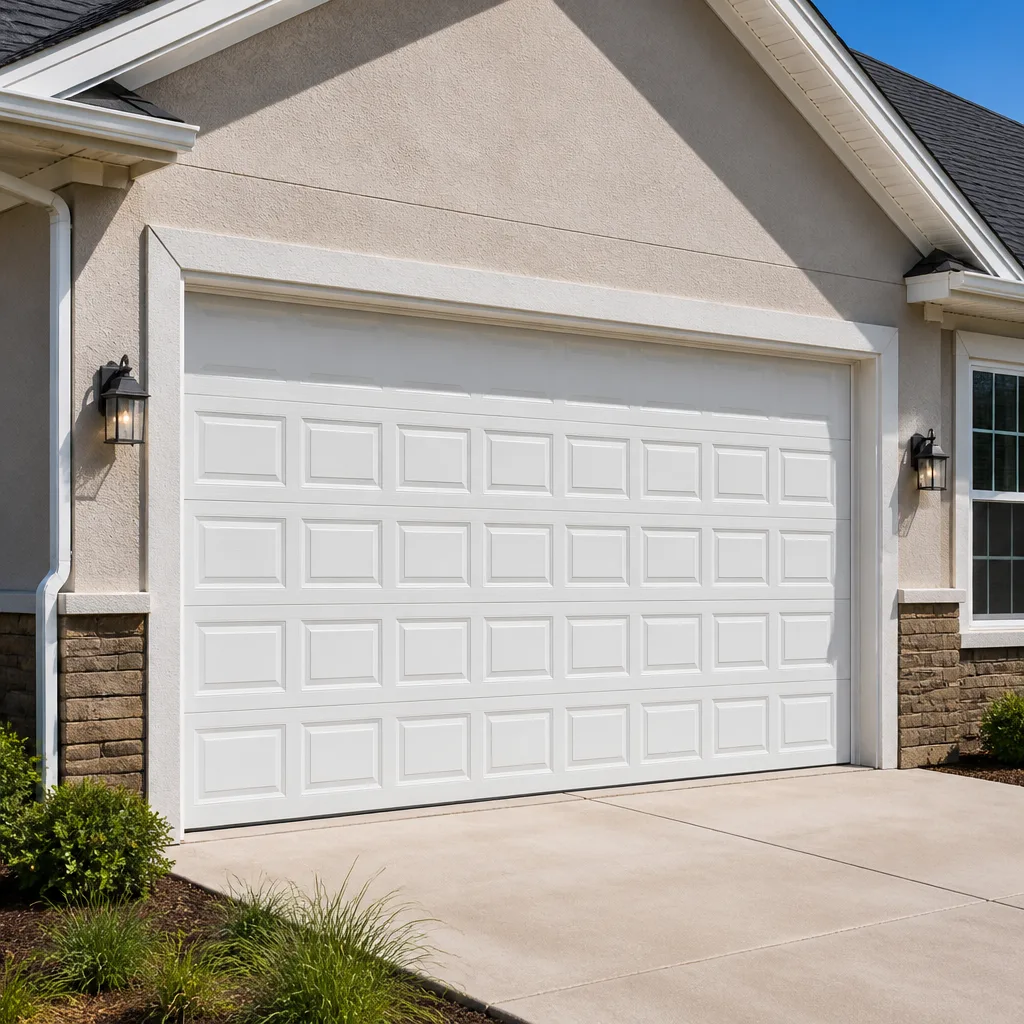 Raised-panel steel
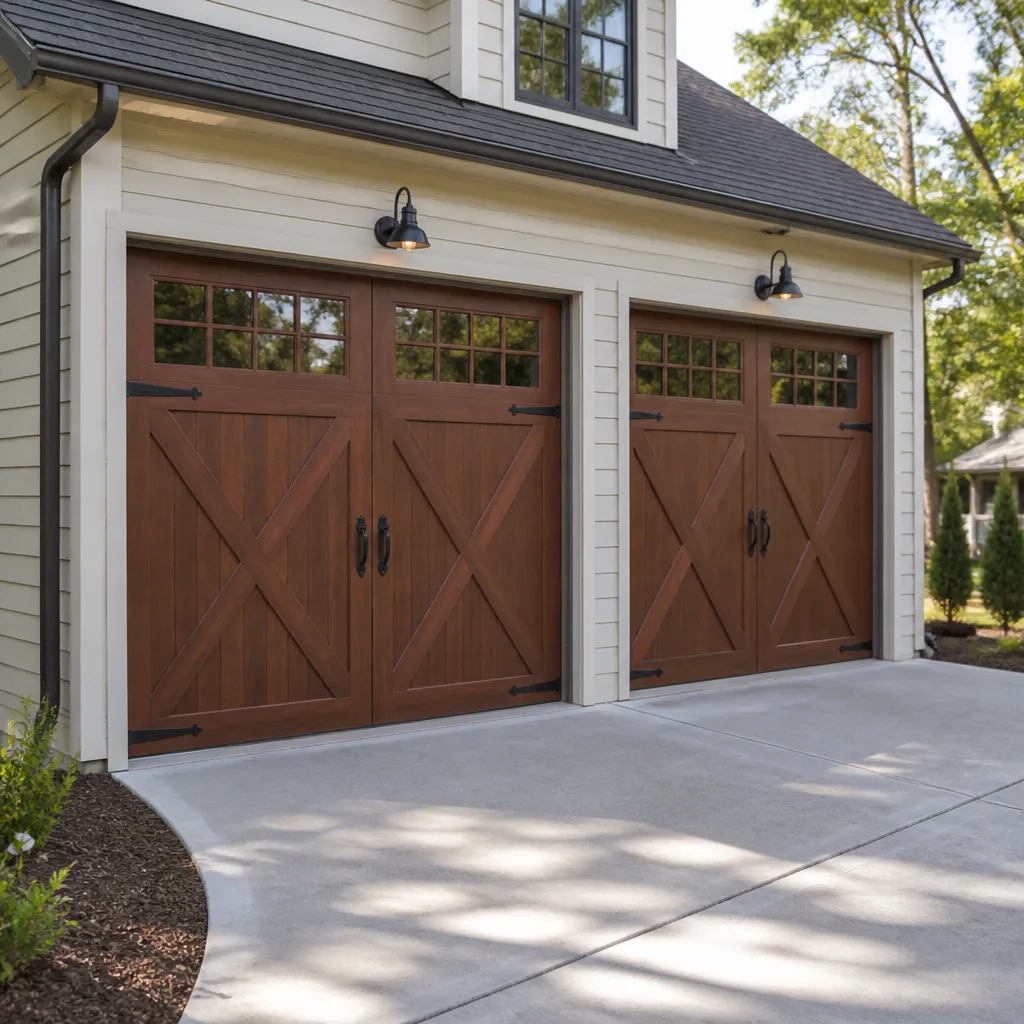 Carriage house
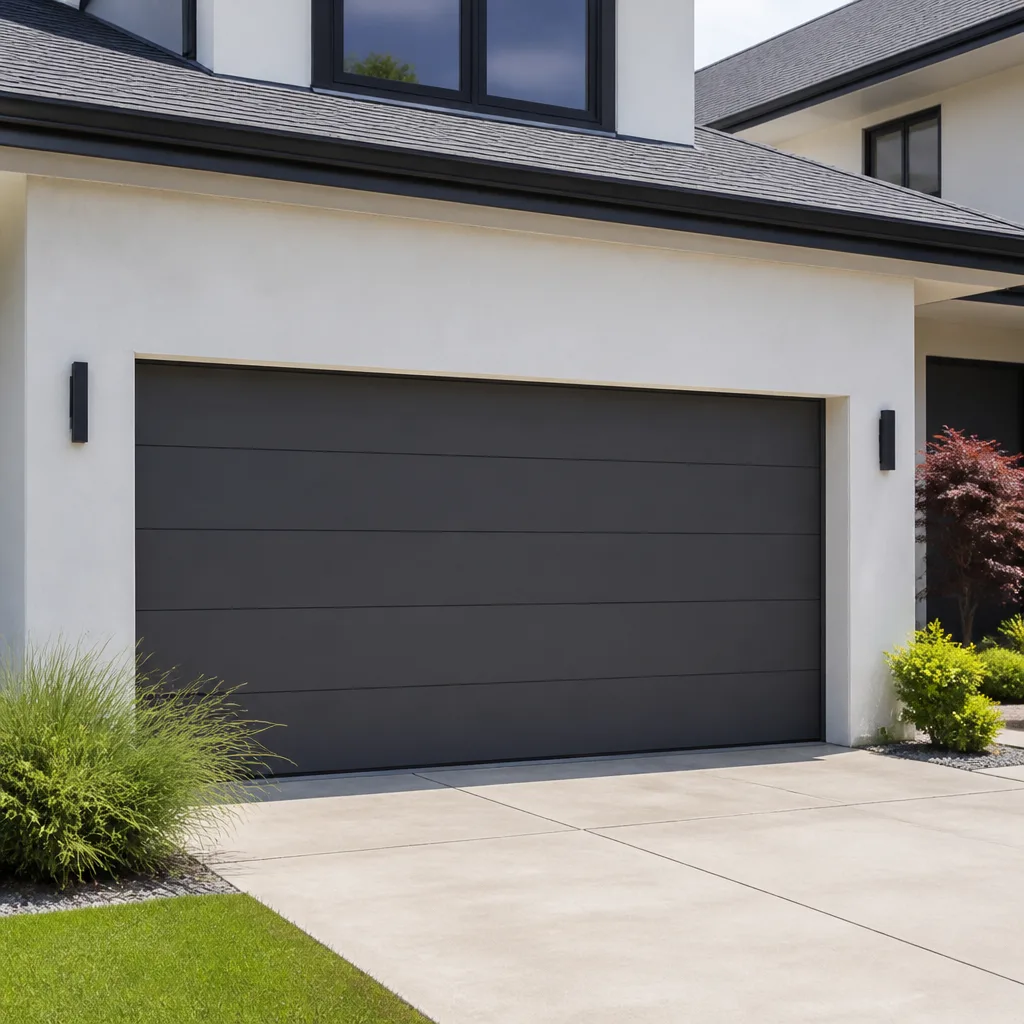 Modern flush
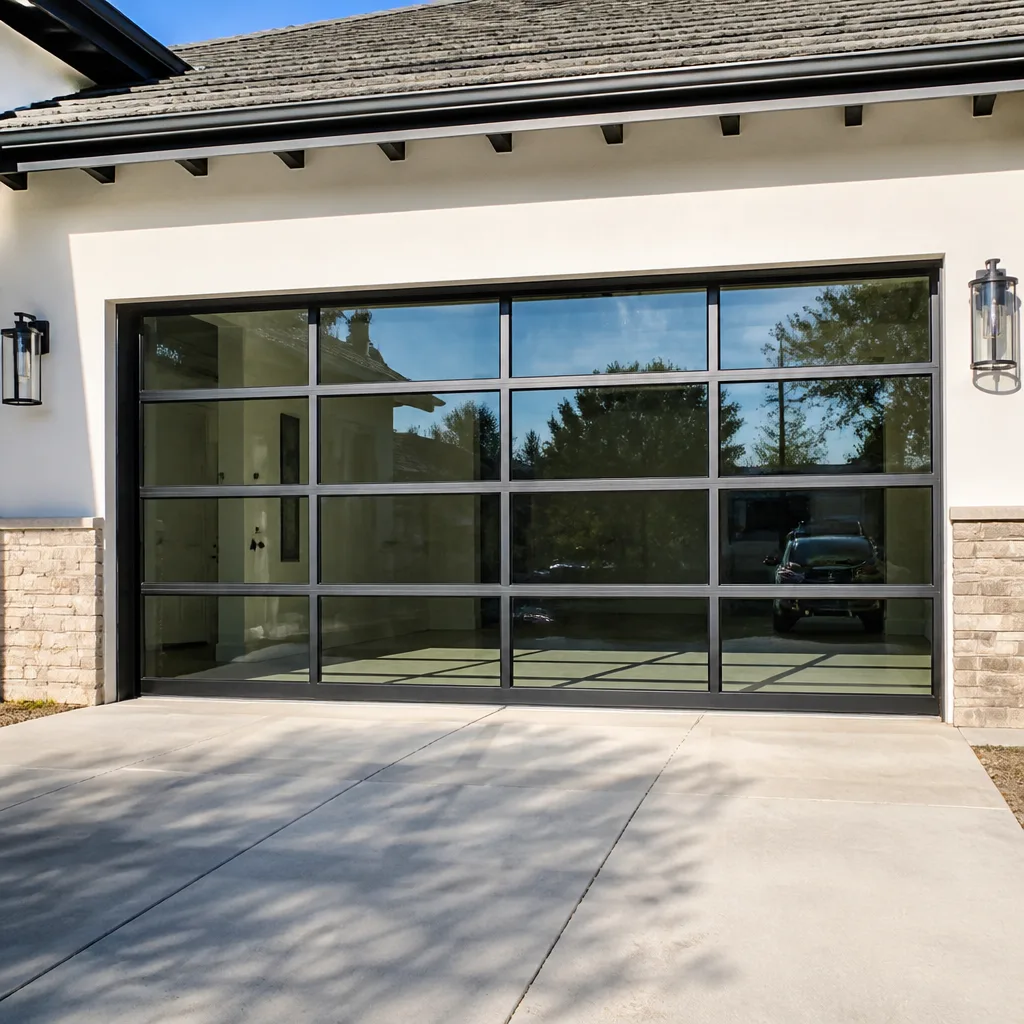 Full-view glass
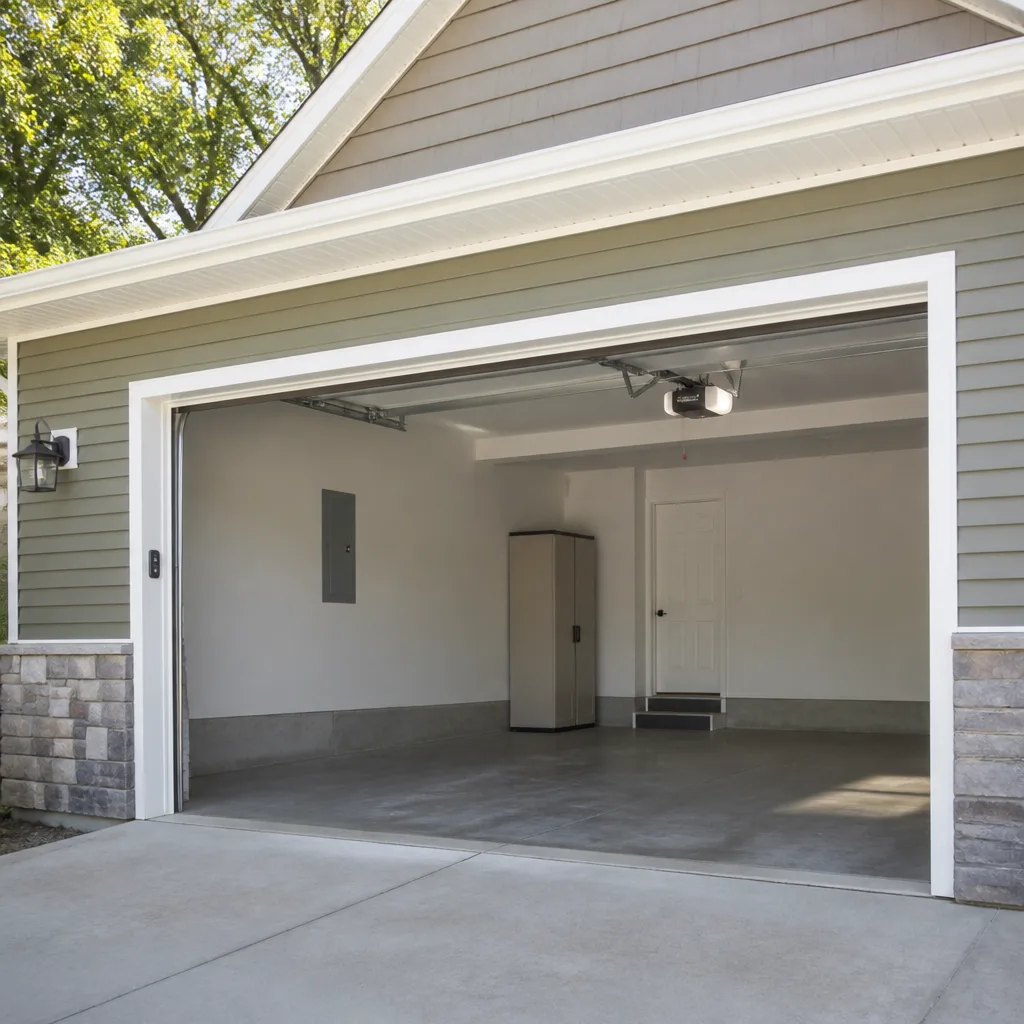 LiftMaster openers
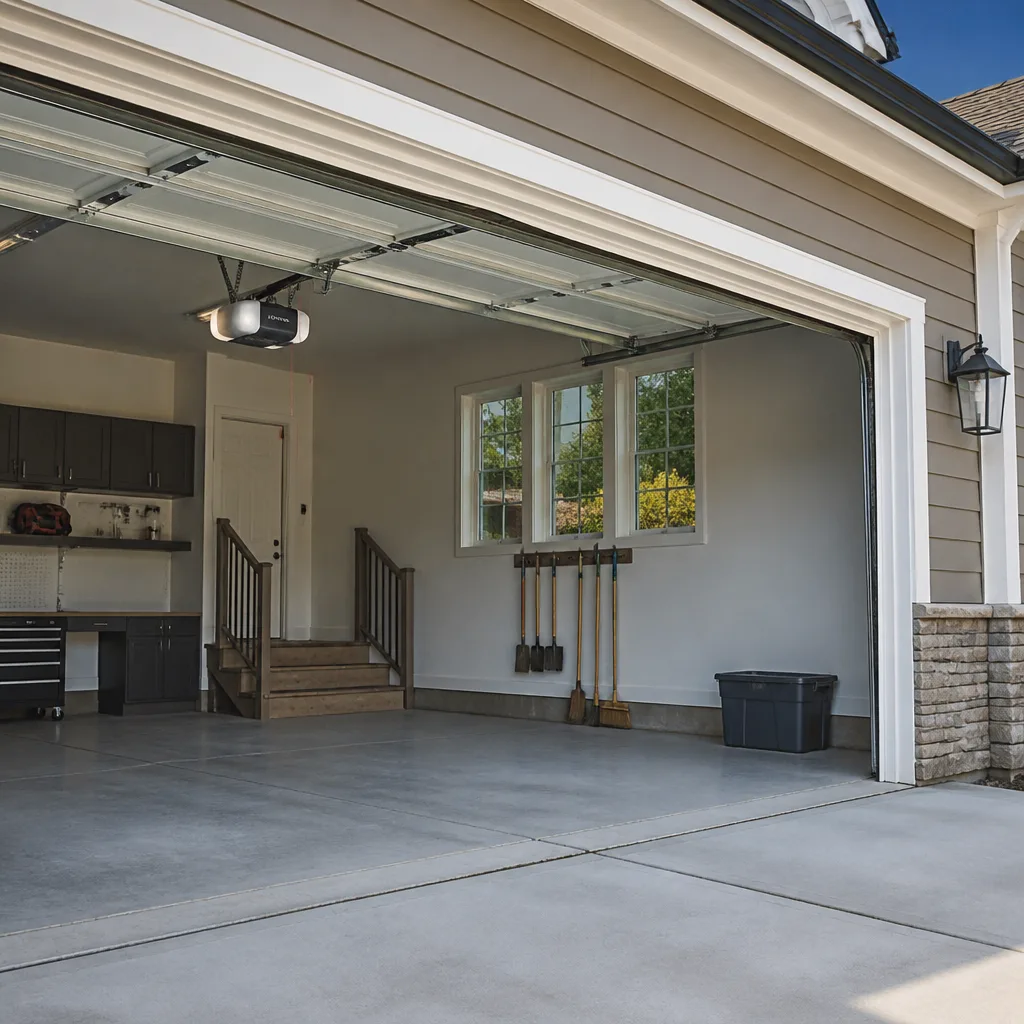 Chamberlain openers
Full 25-point door and opener safety check with every visit - springs, cables, rollers, tracks, and your LiftMaster or Chamberlain opener included
You get a price before we start. It does not change when the pro arrives.
Get your free estimateGarage Door Emergency Preparedness Guide for Capitol Hill Homes
Most Capitol Hill homeowners never think about their garage door until it stops working. That’s the mistake. A garage door is the largest moving object in your home, and when it fails, it doesn’t fail quietly. It strands your car. It leaves your home exposed. And in a dense neighborhood where alleys and shared driveways connect properties, a door that won’t close is a security gap, not just an inconvenience.
This guide is built specifically for Capitol Hill houses and the way garage doors actually fail here. You’ll learn how to use your manual release when the power is out, how to secure a broken door overnight, what to have documented before anything goes wrong, and when to stop troubleshooting and call someone with the right training to fix it correctly the first time.
Quick Answer
An emergency-ready garage door in Capitol Hill means three things: knowing how to release your opener by hand, securing a broken door without forcing it, and having your door’s serial numbers, spring specs, and service contact saved before a failure happens. Most lockouts we hear about aren’t caused by a broken door at all. They’re caused by a homeowner who couldn’t locate their manual release cord in the dark. A working battery-backup opener and a two-minute documentation habit cover the rest.
Styles & brands we work with
- Raised-panel steel
- Carriage house
- Modern flush
- Full-view glass
- LiftMaster openers
- Chamberlain openers
Table of Contents
- How to Use Your Manual Release When the Power Fails
- How to Secure an Open or Non-Latching Door Overnight
- The Capitol Hill Alley Door: Vehicle Strikes and Damaged Tracks
- Battery Backup Openers and Seattle Power Outages
- What to Have Documented Before an Emergency
- What a Broken Spring Actually Means
- Vehicle Strikes and Track Damage
- Your Annual Preparedness Checklist
How to Use Your Manual Release When the Power Fails
A manual release cord is a lever system that disconnects your door from the opener so you can raise it by hand. Every opener that carries a UL 325 label has one, and it’s usually a red T-handle hanging from the trolley on the rail above your car. Your job is to know where it is, and that’s the part people skip.
Most garage door openers sold in the US carry the UL 325 label. That label means the opener meets safety standards for entrapment protection, and it also means the unit has a manual release. But here’s what we’ve seen in Capitol Hill: garages converted from carriage houses, older walls, and tight overhead clearances mean the cord sometimes gets tucked away during painting or renovation. If it’s been painted over or clipped back, find the trolley (the metal carriage that slides along the ceiling rail) and reach for the release lever directly rather than yanking on a stuck cord.
How the release works depends on your opener. The three most common layouts in Capitol Hill homes break down like this:
- Standard chain-drive units (many Craftsman-style openers): Locate the red handle and pull straight down firmly. The trolley should pop free with a clear physical release. Then lift the door by hand.
- LiftMaster openers with the newer wall-mounted or jackshaft layout: The release is a lever or handle near the opener head rather than a long cord. Some jackshaft units have an unlocking lever at the side of the torsion bar. Pull the release, then raise the door by hand slowly.
- Chamberlain units with a single trolley release: The cord or lever disconnects the door from the arm. Confirm it’s actually disconnected before you lift, or you’ll be working against the motor.
A few things worth knowing before you do this under pressure: never pull the release while the door is open and hanging. Pull it with the door down. Once released, the door is heavy and moves on manual effort only, so use both hands and raise it steadily. If the spring is broken, the door may not balance at all, and that’s a job for a trained technician, not a manual release situation.
How to Secure an Open or Non-Latching Door Overnight
When a garage door won’t close and a same-day spring or opener repair isn’t possible, securing it becomes the priority. A partially open door in Capitol Hill is an invitation to a burglary, and alley-facing garages take the brunt of it.
Here’s a practical sequence for the night:
- Lower the door as far as it will safely go by hand. If it’s a broken spring, the door may be unbalanced; use controlled body weight rather than letting it drop.
- Block it in place. Wedge a couple of pieces of heavy timber under the bottom edge and lean something sturdy against the inside of the panel.
- Add a visible deterrent. Motion-sensor lighting left on and a car parked directly against the door inside the garage go a long way. Keep valuables out of sight.
- Secure the opener if possible. A smart opener paired with your phone can sometimes trigger a lockout feature even if the motor has an issue. If it worked before the failure, try it.
- Book the repair for the earliest opening. Call and get on the schedule so the fix happens the next available day.
Never leave a broken spring door propped open on a permanent basis, and never wedge the door and tell yourself you’ll deal with it tomorrow. A locked, closed garage is the goal. If you can’t get it closed, call a garage door specialist rather than attempting a spring replacement yourself.
The Capitol Hill Alley Door: Vehicle Strikes and Damaged Tracks
Alley-facing garage doors are a Capitol Hill fact of life. Cars, delivery vans, and the occasional garbage truck back up to them, and a vehicle strike usually damages more than the panel. The door may be pushed in, the track may be bent, and the opener may have been jarred off its rail.
This is the situation that needs the most careful handling. A door that’s been struck can have a bent track that prevents it from latching, a twisted panel that will not slide, and a trolley that’s no longer aligned with the opener. Forcing the door closed will make it worse. Here’s what to do:
- Do not try to straighten a bent track with a crowbar. The track is a precision component, and a bent one will drag the door into a jam.
- Inspect the door panels for a twist or buckle. If the panel is bent, the door won’t seal against the frame, and that’s a security issue overnight.
- Check the opener arm is still attached to the door. If it’s hanging, the door is already disconnected and you can move it by hand.
- If the door is off its track, keep the car inside or outside and block the entry with something. A door off its track is not something to force.
For the alley-specific risk, the repair usually involves a panel replacement, track realignment, and occasionally an opener adjustment. Call a specialist and describe what happened. If the door is a common brand, we can usually source the right part quickly rather than substituting something that doesn’t fit.
Battery Backup Openers and Seattle Power Outages
Battery backup openers work as intended during a Seattle power outage; they’re a genuinely useful feature. But their performance varies. Some battery systems hold up fine in cold conditions, and some don’t, and the difference matters in a Capitol Hill winter.
Battery backup systems power the opener for a number of cycles, usually somewhere between 20 and 40 door operations per charge, depending on the age of the battery and the temperature. Cold drains batteries faster, so a battery that gives you a full week of use in summer may give you a couple of cycles in a cold snap. The practical answer is to check the battery annually before the wet season, and to keep the manual release working so you’re not dependent on backup power.
If you’re buying a new opener, look for models that advertise a battery backup and confirm the battery type and availability. LiftMaster and Chamberlain both make backup models widely installed in Capitol Hill, and the newer ones tend to hold up better in cold weather. But no battery is a substitute for a manual release that works, and no battery replaces a door that is balanced and in good repair.
What to Have Documented Before an Emergency
The two-minute prep that makes every repair call faster is documenting your door and opener. When a spring snaps at 6am and you’re on the phone, the questions come fast: What brand? What size is the door? What’s the serial number? Which spring? Have the answers ready.
Here’s what to record and keep where you can find it in the dark:
- Door brand and model (Clopay, Amarr, and Wayne Dalton are common in Capitol Hill homes).
- Door width and height, plus panel type (raised, flush, or carriage).
- Opener brand and model (LiftMaster, Chamberlain, Genie, Craftsman, Raynor).
- Serial and model numbers from the opener housing and the door label.
- Spring type and wire size if you can read it, or a photo of the spring with a ruler for scale.
- Our phone number: (844) 625-7327, and your service history.
Take a photo of the opener label and the spring before anything fails. That single image gives us so much to work with when you call. The faster we can identify the spring, the faster we can schedule the repair.
What a Broken Spring Actually Means
A broken torsion or extension spring is a genuine emergency because the door will no longer balance. The spring does most of the lifting work; without it, the door is dead weight, and lifting it by hand is dangerous. A door with a broken spring should not be operated. Keep it closed if the panel will stay, or block it if it won’t, and call a technician.
Spring replacement is one of the most dangerous garage door jobs, and we handle it in-house rather than referring it out. When you call about a broken spring, describe whether the door is fully down, partially down, or stuck open. That tells us what’s safe to do next. The cost depends on whether it’s one spring or a matched pair and the door size, and it’s set by the written estimate before any work begins.
If you’re wondering whether the spring is the problem, look for a clear gap in the spring coil across the top of the door. A snapped spring usually leaves a visible break. For more detail on how this repair is handled, see our page on garage door repair.
Vehicle Strikes and Track Damage
A vehicle strike usually shows up as a door that won’t close fully or a track that looks twisted. Damage from a vehicle can push a door off its rollers or bend the vertical track beyond a simple fix. That means panel replacement and realignment rather than a quick adjustment.
If a vehicle strikes your door, do not try to run the opener. A bent track and a misaligned door can force the operator to work against itself, which can damage the opener and the motor. Disconnect the door with the release and keep it closed if it will go down. Then call for a professional repair.
A garage door is a precision piece of equipment. The right parts, matched to the door’s brand and model, make the difference between a repair that holds up and a fix that fails again in a few months. If you have a modern opener or a door that won’t open, see our page on garage door opener repair. For a full replacement after a strike, take a look at our garage door installation service.
Your Annual Preparedness Checklist
Once a year, before the wet season, spend five minutes on the door and opener. This is the work that prevents an emergency from being worse than it needs to be.
- Test the manual release. Pull the cord or lever, confirm the door disconnects, and re-engage it.
- Check the battery backup. Replace the battery in your opener if it’s more than a few years old, and test it in cold weather.
- Inspect the spring. Look for a clear gap and photograph the spring with a ruler for scale.
- Lubricate moving parts. Hinges, rollers, and the tracks need a proper garage door lubricant, not WD-40.
- Test the balance. Release the opener and lift the door halfway. A balanced door should stay put; a door that sinks or rises means a spring issue.
- Update your contact details. Make sure (844) 625-7327 is saved in your phone and in the house notes.
A door that’s been neglected all year tends to fail at the worst time, which for Capitol Hill is usually the first storm of the season. For emergency purposes, a working manual release and a documented door are the two most important things you can have.
Common Mistakes to Avoid
- Pulling the release with the door open. A door that’s hanging open can drop when you disengage the trolley. Always pull the release with the door fully closed.
- Fixing a spring yourself. A torsion spring is under extreme tension, and a wrong move can cause serious injury. This is a professional job, full stop.
- Forcing a bent door closed. Forcing a damaged door can make a panel repair into a full door replacement. Stop and call.
- Ignoring the tracks. A bent or misaligned track isn’t a cosmetic issue. It causes the door to drag and eventually fail.
- Assuming the battery backup will save you. Cold weather drains batteries fast. Check yours annually, and don’t rely on it as your only plan.
- Not documenting the door. Without a serial number and spring spec, a repair call is a guessing game. Save the photo and label.
See the difference
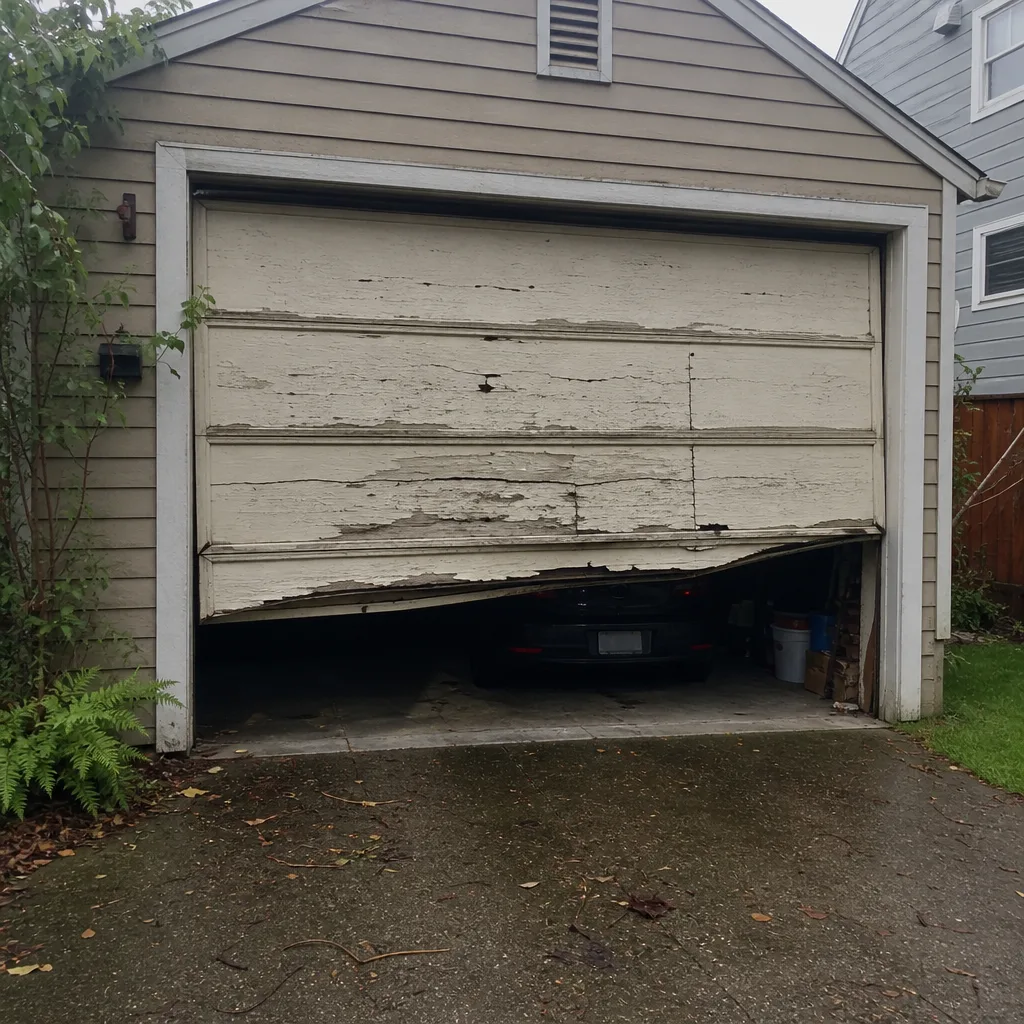 Before
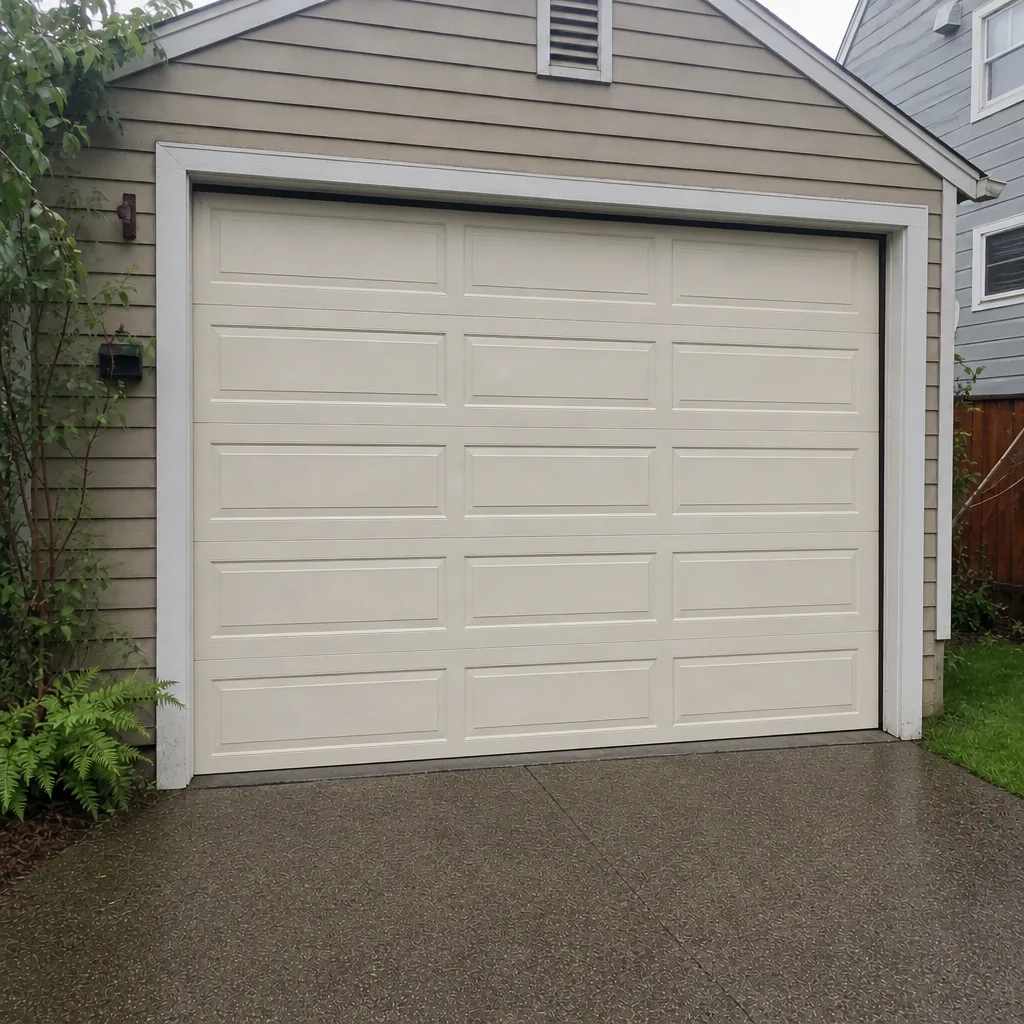 After
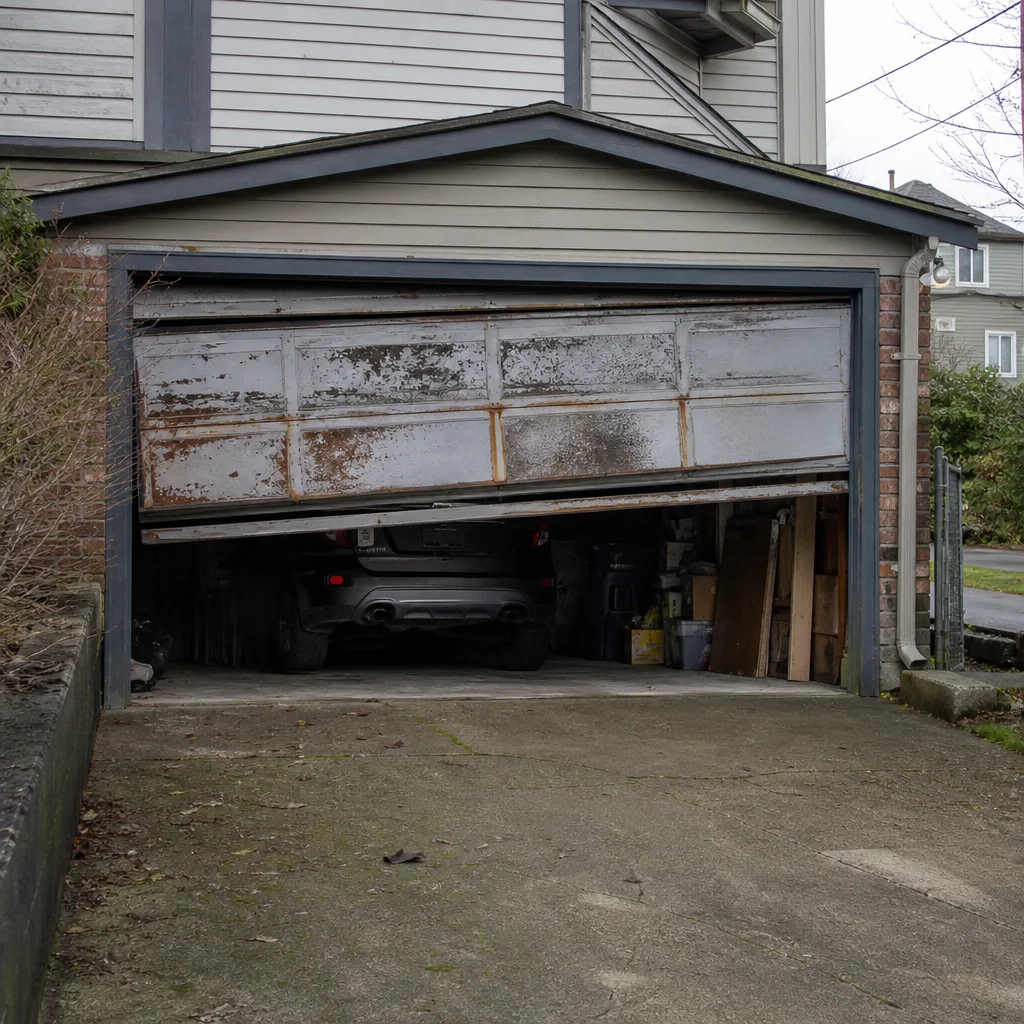 Before
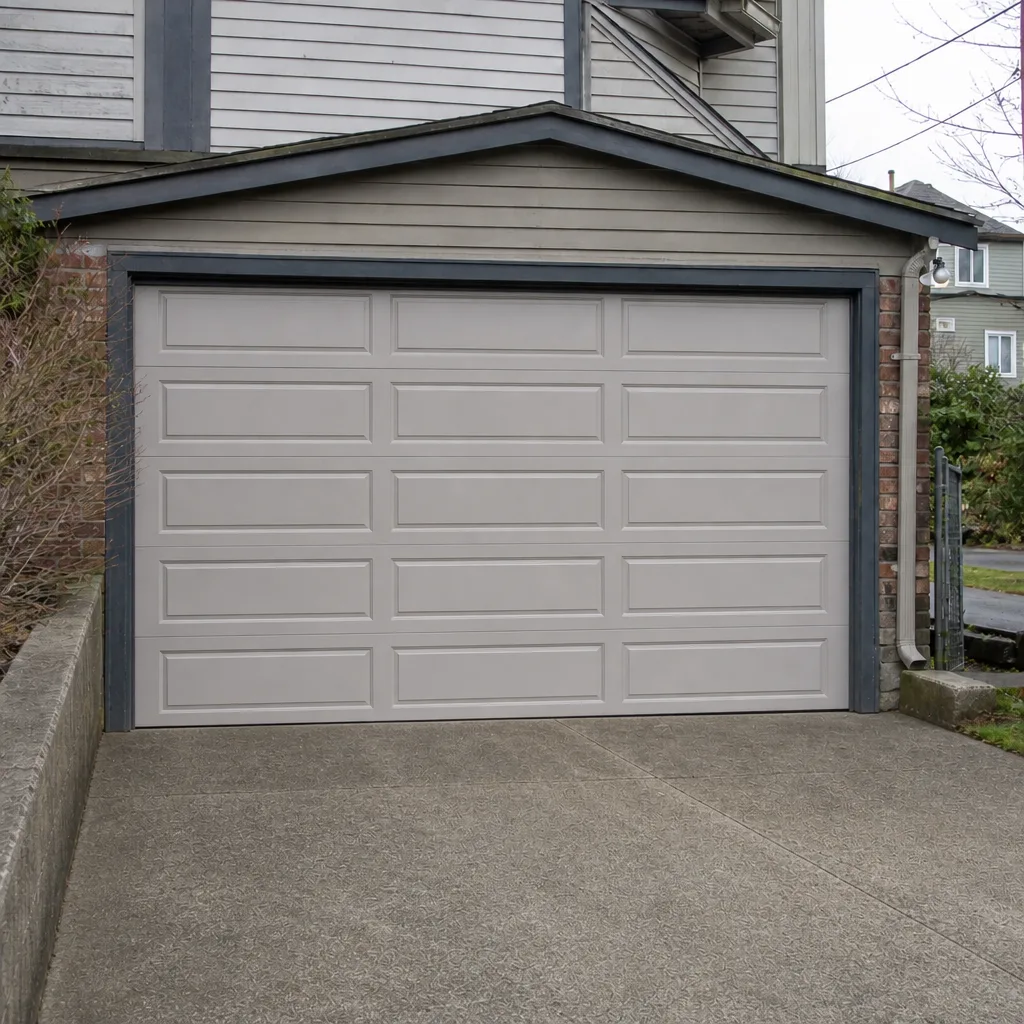 After
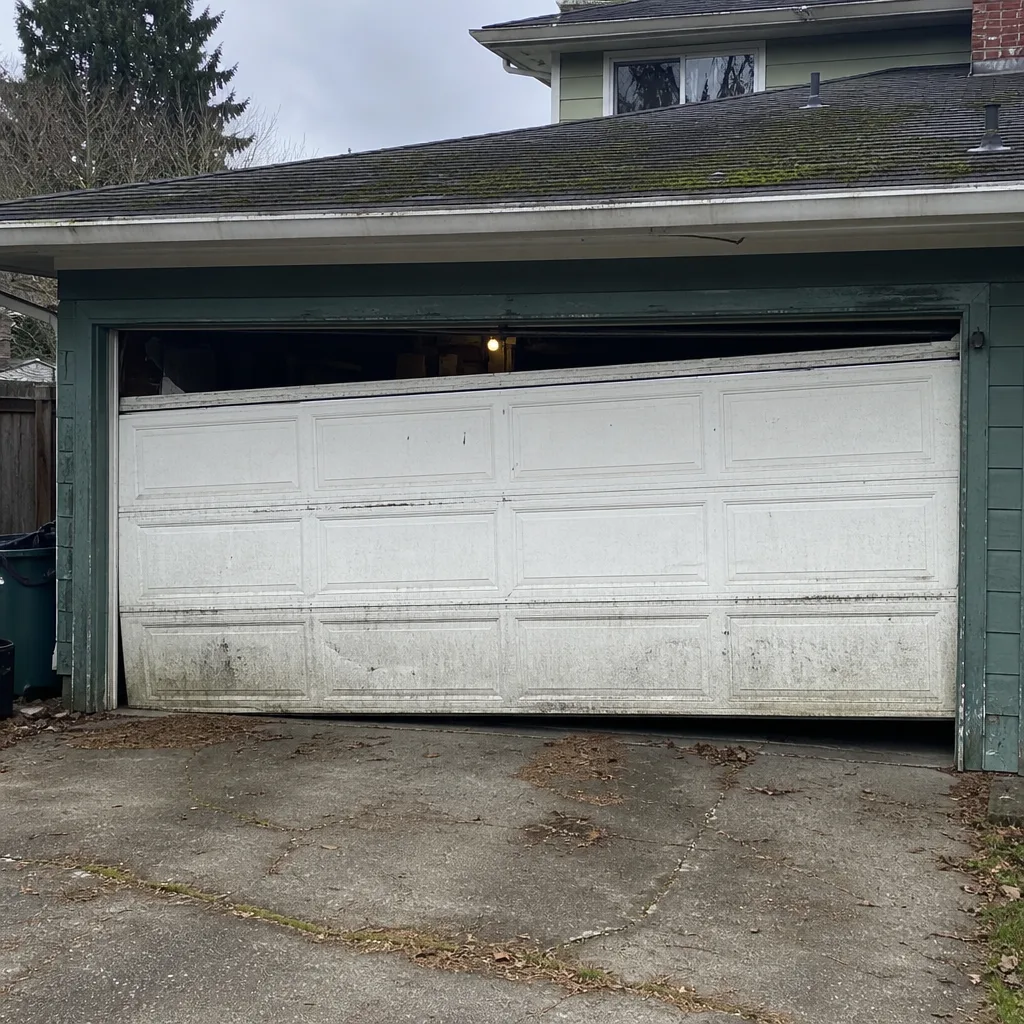 Before
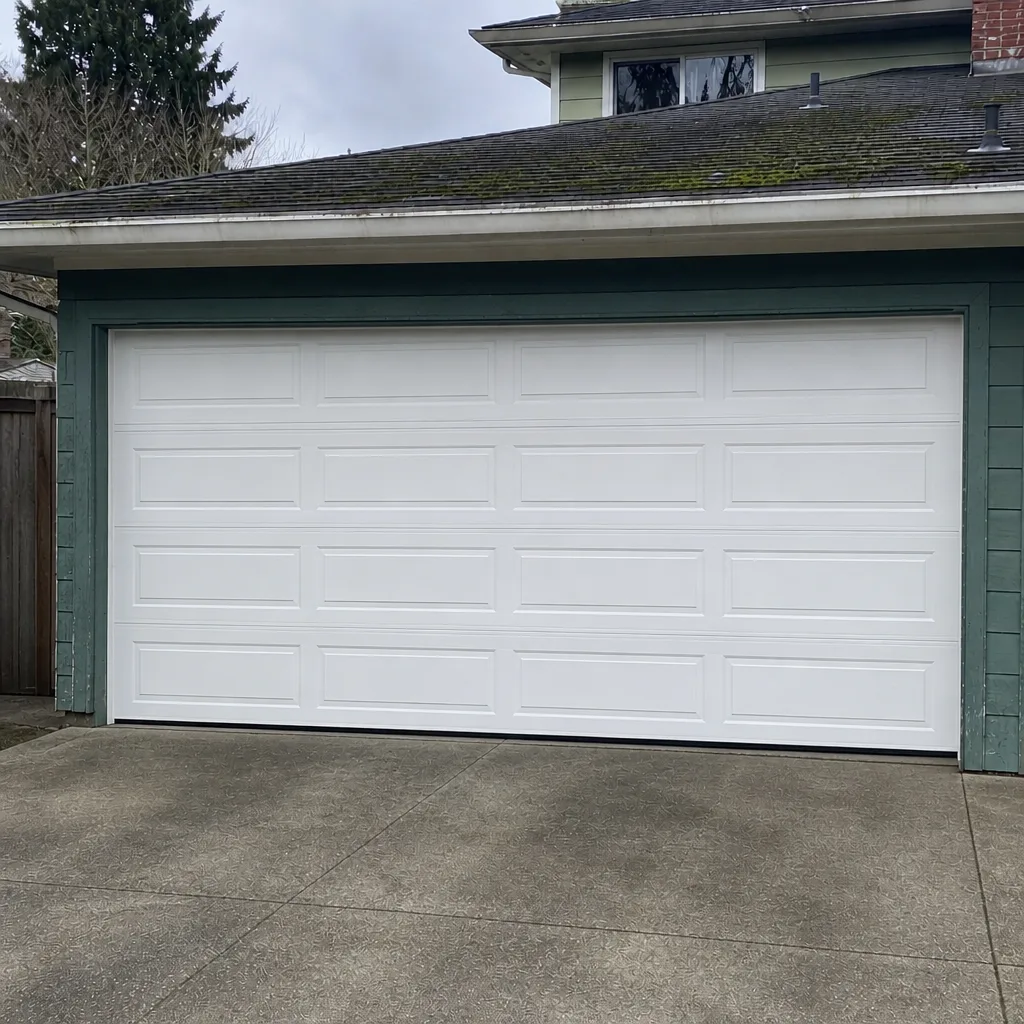 After
When to Call a Professional
Call a professional for anything involving a spring, a track, or an opener that’s stopped working. If the door is unbalanced, won’t close, or has been struck by a vehicle, the repair needs a trained garage door specialist, not a general handyman. Emergency preparedness is about knowing when to stop troubleshooting. Broken springs, misaligned tracks, and opener motors are all jobs where a wrong part or a forced fix can turn a small repair into a bigger one.
Capitol Hill Garage Door Repair offers free estimates in Capitol Hill. Call (844) 625-7327 for a free estimate. We answer 24/7. Fast dispatch from 7am to 7pm, Sunday through Friday. Our technicians have up to 14 years of experience, and garage doors are all we do. We work on the brand you already have, whether it’s Clopay, Amarr, Wayne Dalton, or a newer model.
Frequently Asked Questions
Use the manual release cord, which disconnects the opener from the door, then lift the door by hand. Pull the release with the door fully closed, never while it’s open or hanging. If the cord has been painted over, locate the release lever on the trolley and pull it directly. If the spring is broken, don’t try to lift it; call a technician.
Stop trying to force it, because a door that won’t close is usually a spring, track, or opener issue and forcing it makes the damage worse. Block the door in place, secure it from the inside, and call for repair. Keep the car and valuables safe in the meantime. A garage door specialist can diagnose it correctly the first time, and the local pro is licensed and insured as their state requires.
Yes, battery backup openers run the door for a limited number of cycles during a power outage, though cold weather drains the battery faster. Check the battery annually before the wet season, and keep your manual release working as a backup. No battery replaces a door that is in good repair.
Spring repair pricing depends on whether it’s one spring or a matched pair and the size of the door. The written estimate sets the final price, and you’ll know the number before any work starts. Call (844) 625-7327 for an exact quote – estimates are free.
We handle same-day repair for urgent garage door problems. Call (844) 625-7327 for a free estimate. We answer 24/7. Fast dispatch from 7am to 7pm, Sunday through Friday. A call outside dispatch hours is booked into the next opening, Sunday through Friday, 7am to 7pm.
We work on the brands you already have, including LiftMaster, Chamberlain, Genie, Clopay, Amarr, Wayne Dalton, Craftsman, and Raynor. That covers the vast majority of doors and openers installed in Capitol Hill homes. Garage doors are all we do, so the diagnosis is right the first time. Visit Capitol Hill Garage Door Repair for our full service list.
The Bottom Line
Emergency preparedness is less about panic and more about two minutes of forethought. Know where your manual release is. Have your door and opener documented. Check the battery before the wet season. And when a spring breaks or a vehicle strikes the door, stop and call a specialist rather than forcing the repair. In a dense neighborhood like Capitol Hill, a door that won’t close is a security problem before it’s a garage door problem.
When something does go wrong, call (844) 625-7327 for a free estimate. We answer 24/7. Fast dispatch from 7am to 7pm, Sunday through Friday. Garage doors are all we do, and we fix them right the first time.
Written by the team at Capitol Hill Garage Door Repair.